

TL;DR: What You Need to Know About Dog Poop Like Jelly with Blood
- What it means: Jelly-like poop with mucus and blood often points to irritation or inflammation in the lower digestive tract, particularly the colon.
- Causes: Dietary changes, intestinal parasites like whipworms and hookworms, bacterial infections, IBD, HGE, and serious illnesses such as parvovirus can cause blood and mucus to appear in the stool.
- Know the difference: Bright red blood usually comes from the lower GI tract, while dark or tarry stool can indicate bleeding higher in the digestive system. A stool that looks like raspberry jam can be a sign of significant intestinal inflammation.
- When to worry: Contact your veterinarian if bloody diarrhea persists or is accompanied by vomiting, weakness, lethargy, dehydration, heavy bleeding, or pale/white gums.
- Fall parasite risk: Whipworms and hookworms can contribute to bloody, mucus-filled stool. A fecal exam can help identify parasites and guide appropriate treatment.
- What you can do: Monitor your dog's appetite, energy, hydration, and stool changes. Avoid waiting at home if symptoms are worsening or your dog appears seriously unwell.
Have questions about your dog's bloody stool? Contact us. Our veterinary team can help determine what may be causing the symptoms and recommend the right next steps to get your dog feeling better.
Is your dog's poop looking more like raspberry jelly than a normal stool? Jelly-like with blood in the stool can be alarming for any dog owner, but it doesn't always signal a life-threatening emergency. In some cases, a little bit of mucus or even small streaks of blood can result from something as minor as a dietary hiccup. However, certain signs should never be ignored.
In this guide, we'll walk you through what that jelly-like, bloody poop might mean, what causes bloody stool in dogs, and when it's time to call your vet.
Understanding Jelly-Like Bloody Stool in Dogs
When your dog's stool takes on a gelatinous or jelly-like quality, it's your dog's gut sending you a message. The lining of the bowel produces a little bit of mucus to help waste move through smoothly. When you see mucus in larger-than-usual amounts, it typically points to irritation somewhere along the digestive tract. A small amount of blood or a little amount of mucus that appears once or twice may be nothing to worry about, but recurring cases deserve attention.
- Bright red blood signals lower GI involvement: If you see blood that is vivid and fresh-looking, that fresh red blood or bright red colouring typically comes from the lower portion of the gastrointestinal tract, such as the colon or rectum. This is often what gives a dog's poop that unsettling raspberry jam-like look.
- Dark or tarry stool points to the upper GI tract: A tarry stool or dark, coffee-ground consistency indicates digested blood, meaning the bleeding is happening higher up in the digestive tract, such as the stomach or small intestine.
- Jelly consistency usually indicates inflammation of the colon: When the stool looks thick, slimy and covered with gel, the colon is probably inflamed. It's this inflammation that makes extra mucus appear in the stool, sometimes with drops of blood or streaks of fresh blood.
A normal stool may have a faint sheen of moisture, but visible blood or mucus in their stool is not typical. If your dog's stool appearance changes over more than a day or two, it's time to take note.
Common Causes of Blood and Mucus in Dog Poop
There are several possible causes behind stools with blood and mucus. Some resolve on their own; others need immediate care.
Hemorrhagic Gastroenteritis (HGE)
One of the more dramatic causes of bloody stool in otherwise healthy dogs. It can strike suddenly, causing a large amount of blood in the stool and rapid dehydration. Dogs with HGE often pass what looks disturbingly like raspberry jelly, and the condition requires urgent veterinary care.
Intestinal Parasites
Whipworms and hookworms are some of the more common causes of mucus in dog poop, especially in the fall when the risk of exposure to parasites tends to be higher. These parasites damage the lining of the intestine, that is why you can see blood together with excess mucus. The most reliable way to confirm parasitic infection is with a stool sample.
Parvovirus
This is a serious viral illness that causes severe bloody poop, vomiting, and rapid deterioration — especially in unvaccinated puppies. Parvovirus infection requires immediate hospitalization and is one situation where waiting at home is never the right call.
Dietary Indiscretion or a Sudden Food Change
A very common and often benign reason blood appears in a dog's stool. When a dog eats something it shouldn't — whether that's garbage, a new treat, or rich table scraps — the gut reacts with loose stool, cramping, and sometimes small streaks of blood or mucus. If your dog ate something unusual and shows no other symptoms, this may resolve within 24 hours.
Inflammatory Bowel Disease (IBD)
A chronic intestinal disease in which the lining is repeatedly irritated by the immune system. Dogs with IBD usually have cycles of mucus and blood in their stool, loose stool and gradual weight loss. IBD management usually requires long-term dietary and medical support.
Bacterial Infections
Caused by pathogens such as Salmonella or Campylobacter, they can cause blood in dog stool along with vomiting, fever, and lethargy. Raw diets or contaminated water are sometimes blamed for these infections. Some of these bacteria can also affect humans, so prompt diagnosis and treatment are important for the whole household.
When to See a Vet for Bloody Diarrhea in Dogs
Not every instance of blood in your dog's stool demands an emergency visit, but certain additional symptoms absolutely do.
- Lethargy or weakness: If your dog is lethargic and the bloody poop continues, that combination signals something more serious than a simple stomach upset. A dog that can't get up or seems disoriented needs to be seen right away.
- Vomiting alongside bloody stool: Additional symptoms like vomiting can indicate HGE, parvovirus, or a systemic illness that requires IV treatment.
- Heavy or continuous bleeding: If the amount of blood is significant, get your dog to a clinic. Ongoing presence of blood risks serious blood clotting complications over time.
- No improvement after 24 hours: If your dog is unwell and the bloody stool continues beyond a day without any improvement, don't rely on home remedies. Some causes and treatments require prescription interventions that only a vet can provide.
- Signs of dehydration: Warning signs of dehydration include sunken eyes, dry gums and skin that doesn’t snap back when pinched gently. Blood in stool and diarrhea together can cause fluid loss quickly. There are some fluids to give at home to temporarily support your dog, but fluid loss due to ongoing blood loss needs to be managed professionally.
- Pale or white gums: This is a serious emergency sign. Pale gums indicate poor circulation and may mean significant internal blood loss. Do not wait if you notice this alongside red blood in the stool.
Veterinary Treatment Options for Bloody Dog Poop
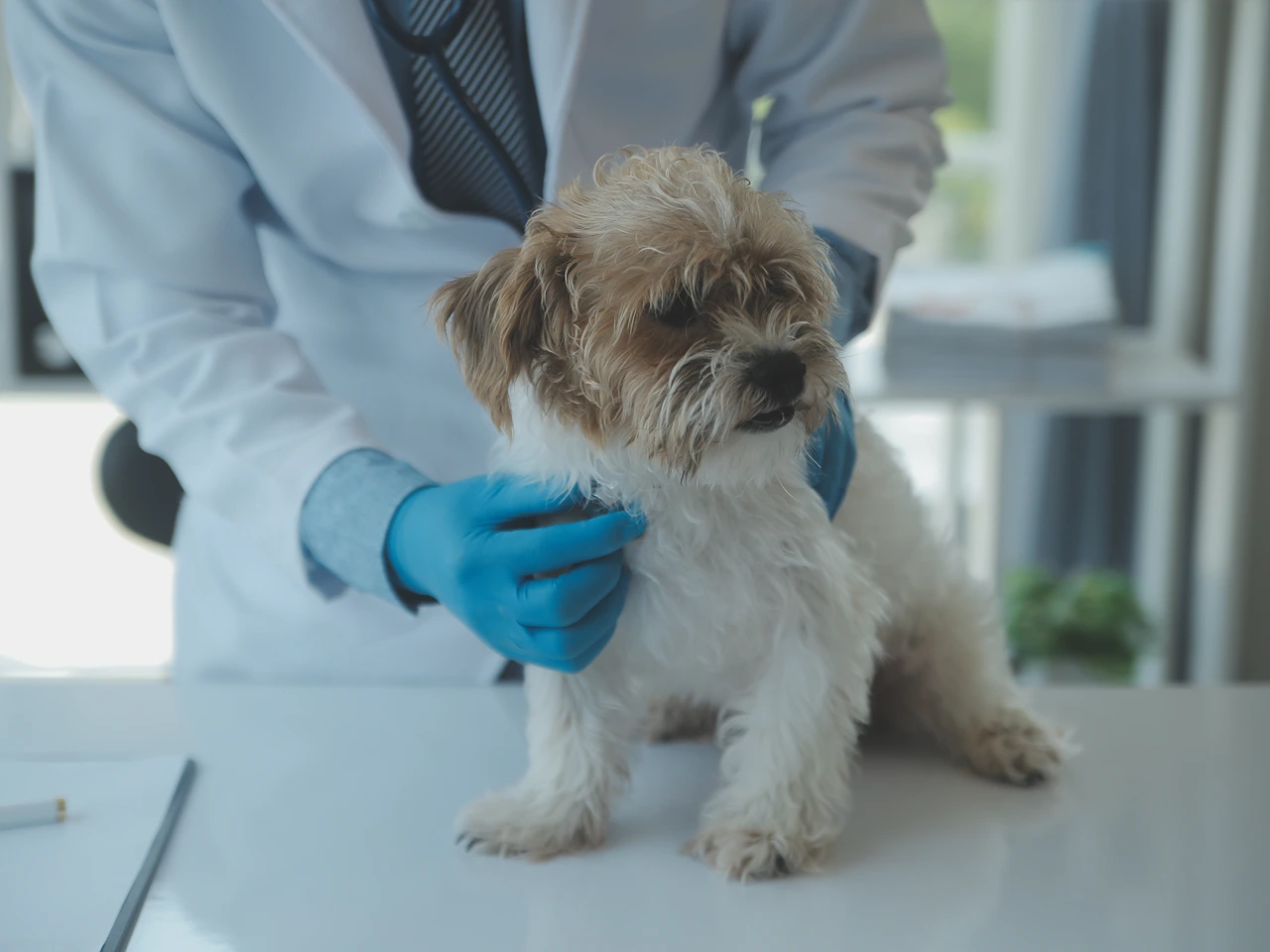
Once you bring your dog in, your vet will work quickly to identify the underlying causes of bloody diarrhea and provide the right care.
Fecal Exam and Parasite Testing
The first step is usually a stool sample analysis. This allows the vet to either rule in or rule out intestinal parasites and bacteria as contributing factors, giving the vet a clearer picture of what is driving the blood and mucus in the stool.
IV Fluids for Dehydration
If a dog has a lot of blood in the stool or has diarrhea for a long time, it often needs to get fluids thru a vein to rehydrate and restore the balance of electrolytes. This is particularly important if your pet has been refusing water or vomiting repeatedly.
Deworming Medications
If intestinal parasites are confirmed as the cause of bloody stool, your vet will prescribe appropriate deworming treatment. This is especially relevant in fall, when parasite exposure from outdoor environments tends to rise.
Antibiotics if a Bacterial Cause is Confirmed
Not every case will need antibiotics, but if a bacterial infection like Salmonella or Campylobacter is found, then a specific antibiotic treatment is required. Overusing antibiotics without a positive bacterial diagnosis could do more harm than good.
Bland Diet or Prescription Food
To give the gut time to heal, your vet may recommend a temporary bland diet — often boiled chicken and rice — or a prescription GI diet. This is one of the most effective ways to help your dog recover after an episode of bloody diarrhea, as it reduces inflammation and gives the bowel a chance to settle.
Final Thoughts
Jelly like dog poop with mucus and blood can be alarming, but knowing the possible causes can help you respond appropriately. A slight upset stomach can be resolved quickly, but ongoing bloody diarrhea can also be a sign of parasites, infection, inflammation or a more serious condition that needs veterinary care.
Pay close attention to your dog's energy level, hydration, appetite, and the amount and appearance of blood in the stool. When in doubt—especially if your dog is vomiting, weak, dehydrated, or has pale gums—contact your veterinarian immediately. Early evaluation can help identify the cause and get your dog the treatment they need.
Frequently Asked Questions
Why Is My Dog Pooping Mucus With Blood?
Jelly-like stool with blood usually means the digestive tract is irritated, but the underlying cause can range from mild to serious.
Colon Inflammation: Excess mucus often develops when the colon becomes irritated or inflamed, which can also cause fresh red blood to appear in the stool.
Dietary Upset: Eating garbage, rich foods, new treats, or suddenly changing diets can temporarily upset the digestive system and cause mucus and small streaks of blood.
Intestinal Parasites: Whipworms and hookworms can damage the intestinal lining and result in recurring mucus, loose stool and bleeding, making fecal testing important.
Serious Illness: Conditions such as hemorrhagic gastroenteritis, parvovirus, bacterial infections, or inflammatory bowel disease can also produce bloody, mucus-covered stool.
Persistent Symptoms: If the abnormal stool continues, becomes more severe, or occurs with vomiting, weakness, dehydration, or pale gums, prompt veterinary evaluation is important.
What Does Blood and Mucus in Dog Stool Mean?
The appearance of the stool can provide useful clues about where the irritation or bleeding may be occurring.
Red Blood: Fresh, vivid red blood typically suggests bleeding in the lower gastrointestinal tract, particularly the colon or rectum.
Dark or Tarry Stool: Black, tar-like stool may indicate digested blood from the stomach or small intestine.
Jelly-like Mucus: Thick, slimy mucus coating the stool often indicates colon inflammation and may be accompanied by fresh blood.
Small Amounts: An isolated episode with only a small amount of mucus or blood may result from temporary digestive irritation, especially when your dog otherwise seems normal.
Recurring Changes: Repeated mucus or blood should not be ignored because ongoing episodes can indicate parasites, chronic inflammation, infection, or another underlying gastrointestinal problem.
When Is Bloody Diarrhea in Dogs an Emergency?
Bloody diarrhea becomes much more concerning when it occurs alongside signs that your dog is becoming systemically unwell.
Severe Weakness: A dog that becomes extremely lethargic, struggles to stand, or seems disoriented needs immediate veterinary attention.
Repeated Vomiting: Vomiting together with bloody diarrhea can occur with serious conditions such as hemorrhagic gastroenteritis or parvovirus and can quickly lead to dehydration.
Heavy Bleeding: Large amounts of blood or continuous bleeding require urgent assessment because significant fluid and blood loss can become dangerous.
Pale Gums: White or unusually pale gums can indicate poor circulation or significant blood loss and should be treated as an emergency.
Rapid Dehydration: Dry gums, sunken eyes, and poor skin elasticity can signal dehydration, particularly when diarrhea and vomiting are happening repeatedly.
What Should I Do If My Dog Is Pooping Blood?
You can tell whether your dog needs immediate care or a regular vet visit by knowing what to look for at home.
Check Their Overall Condition: Pay attention to energy, appetite, water intake, vomiting, and behaviour rather than focusing only on the appearance of the stool.
Monitor the Stool: Note the amount and colour of blood, the presence of mucus, how often your dog passes stool, and whether the problem is improving or worsening.
Consider Recent Changes: Think about whether your dog recently ate something unusual, received a new food or treat, or may have encountered contaminated water or outdoor parasites.
Save a Stool Sample: If possible, bring a fresh stool sample to the clinic because fecal testing can help identify parasites and other potential causes.
Avoid Delaying Care: If symptoms persist beyond about 24 hours or your dog develops vomiting, weakness, dehydration, heavy bleeding, or pale gums, contact a veterinarian promptly.
How Do Veterinarians Treat Bloody Stool in Dogs?
Treatment is based on what is causing the bleeding, so veterinary testing will help find the right way to treat the condition.
Fecal and Parasite Testing: A stool examination can identify intestinal parasites and help investigate infectious causes that may be contributing to the abnormal stool.
IV Fluids: Dogs that are dehydrated or are suffering from severe vomiting or diarrhea might require IV fluids to replenish electrolytes and rehydrate.
Deworming Treatment: If parasites such as whipworms or hookworms are diagnosed, there are specific deworming medication options for treating the infection.
Dietary Support: Your veterinarian may recommend a temporary bland diet or prescription gastrointestinal food to reduce digestive irritation and support recovery.
Specific Medication: Antibiotics are given if a bacterial infection is diagnosed. Chronic conditions such as inflammatory bowel disease can be controlled with a combination of diet and medication over a period of time.

