
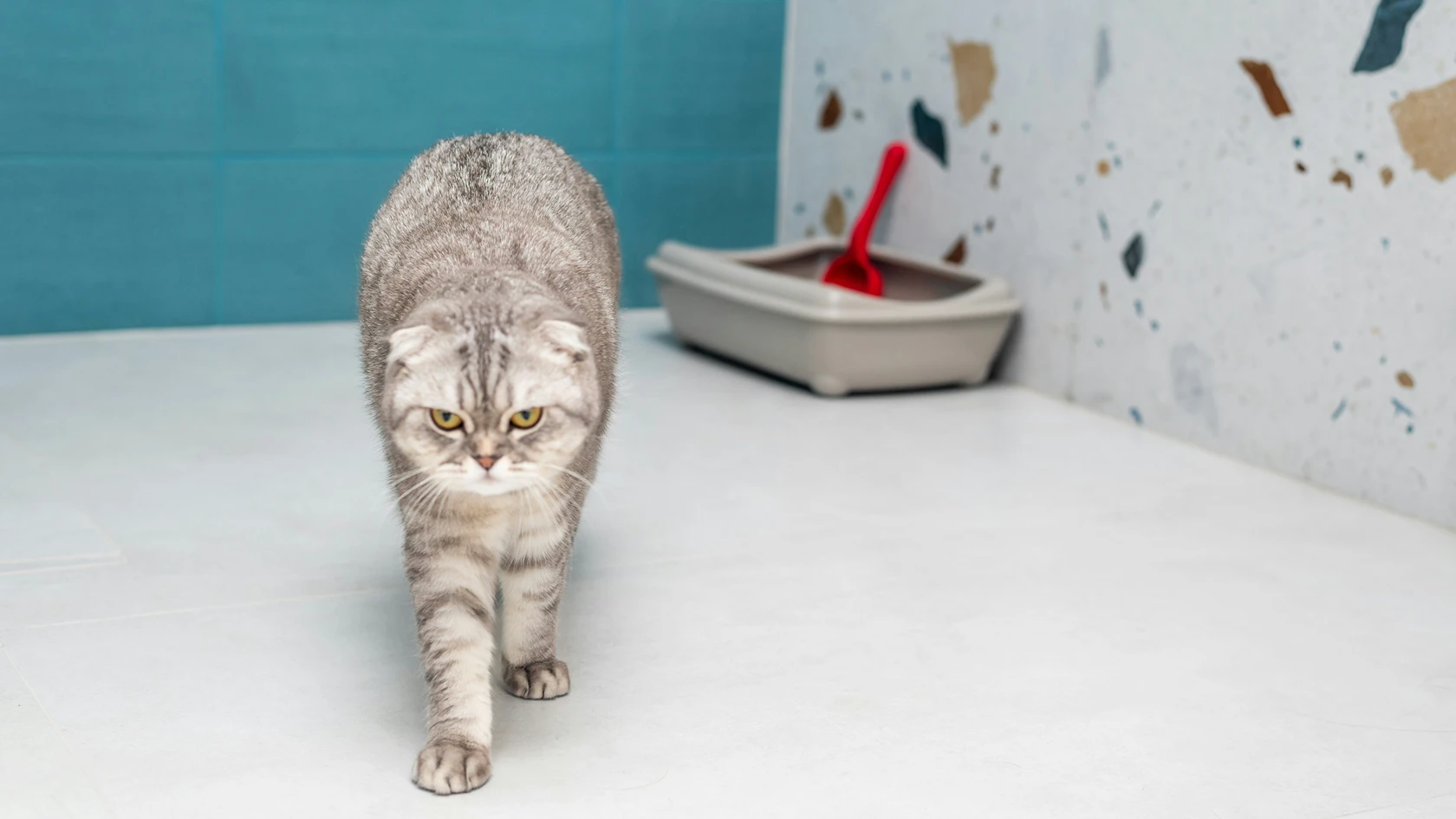

TL;DR: Why Is Your Cat Not Pooping?
- Constipation can become serious: If your cat hasn’t pooped normally for more than 48–72 hours, it may be more than a minor digestive slowdown and should not be ignored.
- Watch for common warning signs: Straining, dry or pebble-like stool, crying in the litter box, vomiting, bloating, and appetite loss can all be signs of constipation in cats.
- Several causes are possible: Dehydration, low-fibre diets, hairballs, stress, kidney disease, and megacolon are common issues contributing to your cat’s constipation.
- Hydration and diet matter: Increasing water intake, adding wet food, and using safe fibre sources may help mild cases and support healthier digestion.
- The litter box can reveal a lot: Monitoring the frequency of your cat’s litter box habits can help you catch digestive problems early before they become severe.
- Some cases need veterinary care fast: Repeated vomiting, visible pain, swelling, or straining without stool may indicate a blockage or severe constipation that needs immediate treatment.
Concerned about your cat’s bathroom habits? Reach out to us. We’re here to help assess your cat’s symptoms, identify possible causes, and recommend the best next steps to keep your cat comfortable and healthy.
Have you begun to notice your cat spending an excessive amount of time in the litter box? While digestive slowdowns happen occasionally, constipation in cats can cause discomfort and more serious health problems if ignored. Many cat owners first notice changes such as pooping less often, passing dry stool, or a cat crying while trying to defecate.
In this blog, we’ll go over the common signs of constipation, possible causes, when to seek veterinary care, and how to help your cat feel comfortable again. Since constipation can also be linked to an underlying condition, understanding the signs and symptoms early can help keep your cat healthy and prevent complications.
Common Causes of Cat Constipation
There are several reasons why cats experience constipation, and identifying the root cause is important because constipation must be treated properly before it becomes severe.
Dehydration and Insufficient Water Intake
Dehydration is one of the most common reasons a cat is constipated. If cats don't drink enough water, their bodies pull moisture out of waste inside the bowel, making their stools dry and hard to pass. This can result in hard stool, pain and difficulty passing a normal bowel movement.
This issue is especially common in elderly cats, since they may naturally drink less water as they age. Cats eating mostly dry kibble may also experience constipation more often.
Low-Fibre Diet
A poor-quality or low-fibre diet is another common cause of constipation. Fibre helps waste move through the intestine and supports healthy digestion. Without enough fibre, stool may become compact and difficult for the colon to move along.
Some adult cats benefit from carefully added fibre sources to help promote normal movement of intestines and support digestive health.
Hairballs Blocking the Intestinal Tract
Hairballs are another possible reason your cat may struggle to pass stool. During grooming, cats swallow hair that usually moves through the digestive system normally. However, excessive hair buildup can partially block the digestive tract and interfere with the ability to defecate comfortably.
In some cases, hair accumulation may contribute to symptoms of an obstruction, especially if the cat is also vomiting or refusing food.
Litter Box Aversion or Stress
Stress and behavioural changes can affect bathroom habits more than many people realize. If the box is clean poorly, difficult to access, or your cat dislikes the type of litter, they may avoid using it altogether.
To help reduce constipation from stress, always ensure the litter box is placed in a quiet and easy-to-reach location. Also, watching your cat’s litter box deposits can help you catch digestive problems before they get worse.
Megacolon (Enlarged Colon)
Megacolon is a serious condition where the colon becomes enlarged and loses its ability to move stool normally. Cats with this condition often develop chronic constipation because waste remains trapped for too long inside the digestive tract.
Prolonged constipation can lead to obstipation, a severe build-up of stool so severe that the cat cannot pass stool without medical assistance. Medical treatment may need hospitalization or surgery in extreme cases.
Kidney Disease
Kidney disease is common in older cats. Kidney problems often cause dehydration, and that can lead to constipation. Cats with kidney problems may not be able to keep themselves hydrated enough, which can lead to dry, hard stools.
Since kidney disease is an underlying condition that can affect digestion, it’s important to monitor bathroom habits carefully if your cat has already been diagnosed with kidney issues.
Signs of Constipation in Cats
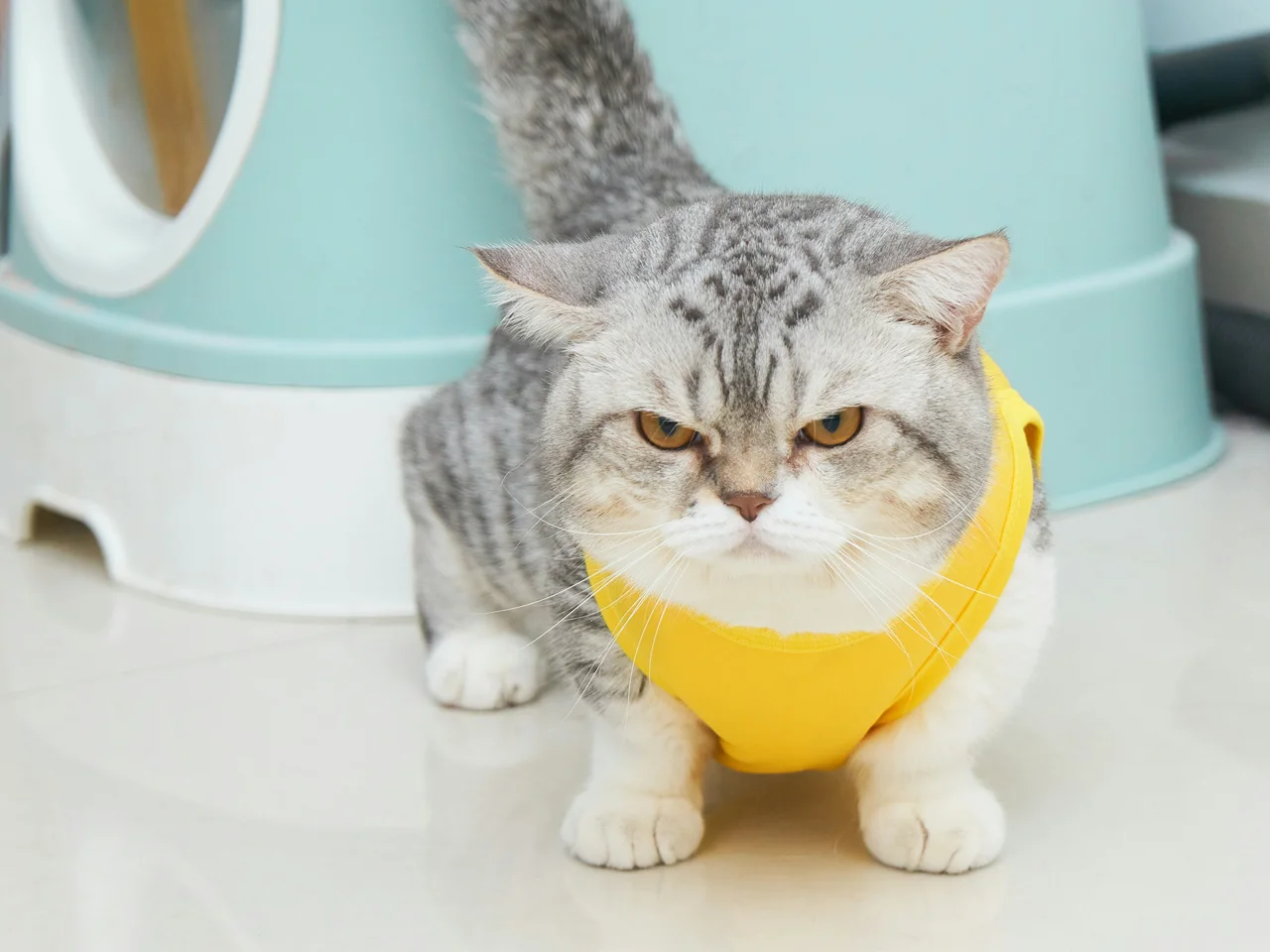
The symptoms of constipation can vary from mild to severe. Some cats show obvious discomfort, while others display subtle changes in behaviour.
Straining in the Litter Box
A cat repeatedly entering the litter box without producing stool is one of the clearest warning signs. If your cat is straining, crouching for long periods, or appearing uncomfortable, constipation may be the issue.
Small, Hard, Dry Stools
Small amounts of dry or pebble-like stool are another sign that stool has remained in the body too long. Checking litter box deposits and stool consistency regularly can help you identify digestive issues early.
Infrequent Defecation
If your cat goes longer than 48 hours without a bowel movement, it may indicate constipation. Some cats begin pooping less frequently before more noticeable symptoms appear.
Crying While Attempting to Defecate
Painful vocalizing while trying to pass stool can happen when stool becomes extremely hard or dry. If your cat is straining and crying repeatedly, discomfort is likely becoming more severe.
Loss of Appetite
A constipated cat may stop eating because pressure inside the abdomen causes nausea or bloating. This is one of the key symptoms to watch, especially when combined with other digestive changes.
Vomiting
Vomiting may occur when constipation becomes severe enough to disrupt digestion higher in the gastrointestinal tract. Some cats develop symptoms with or without constipation, which is why a professional evaluation is important if vomiting continues.
Abdominal Pain or Bloating
A swollen or painful abdomen can happen when stool remains trapped inside the body for too long. In severe cases, constipation can lead to dangerous pressure buildup inside the intestines.
When To See a Vet for Cat Constipation
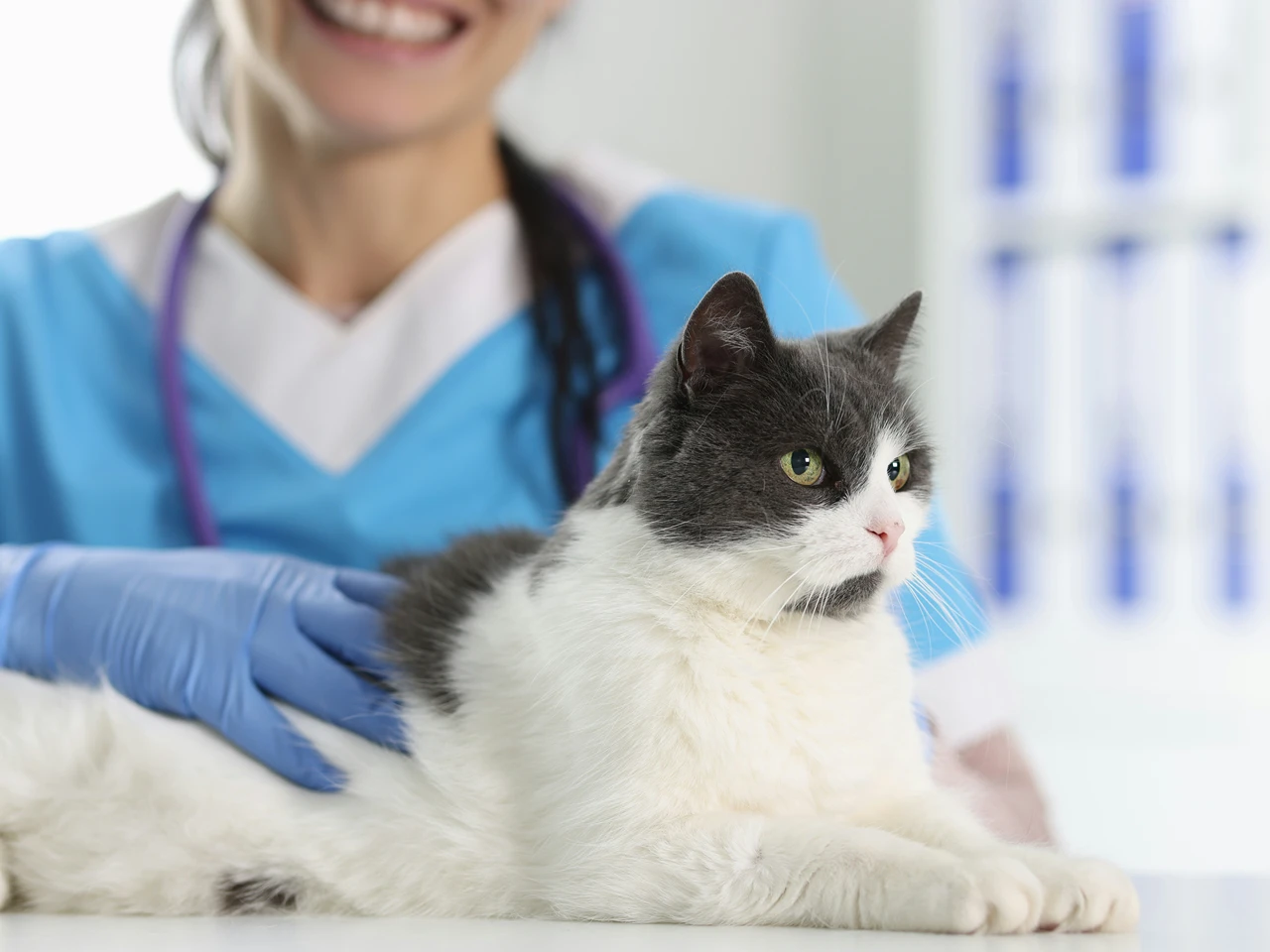
Occasional mild constipation may improve with supportive care, but certain signs mean your cat needs veterinary attention sooner rather than later.
- No Bowel Movement for 48–72 Hours: If your cat hasn’t passed a normal stool in two to three days, it’s important to call your vet, as delays can make the condition harder to treat effectively.
- Repeated Vomiting: Ongoing vomiting together with constipation may signal a worsening digestive blockage or illness, especially if the issue is left untreated and continues to progress.
- Complete Loss of Appetite: A cat refusing food for an extended period should always be checked by a vet, as appetite loss combined with constipation can indicate a more serious underlying problem.
- Visible Abdominal Swelling or Pain: Noticeable bloating, discomfort, or a tense abdomen should never be ignored, as constipation may include significant stool buildup that requires urgent care.
- Straining With No Stool Production: If your cat keeps straining but produces no stool, prompt medical evaluation is needed since this can suggest a severe blockage or advanced constipation.
- Blood in or Around Stool: Blood near the rectum or in stool may point to irritation or injury from repeated straining, and it should be assessed by a veterinarian as soon as possible.
How To Help Your Constipated Cat?
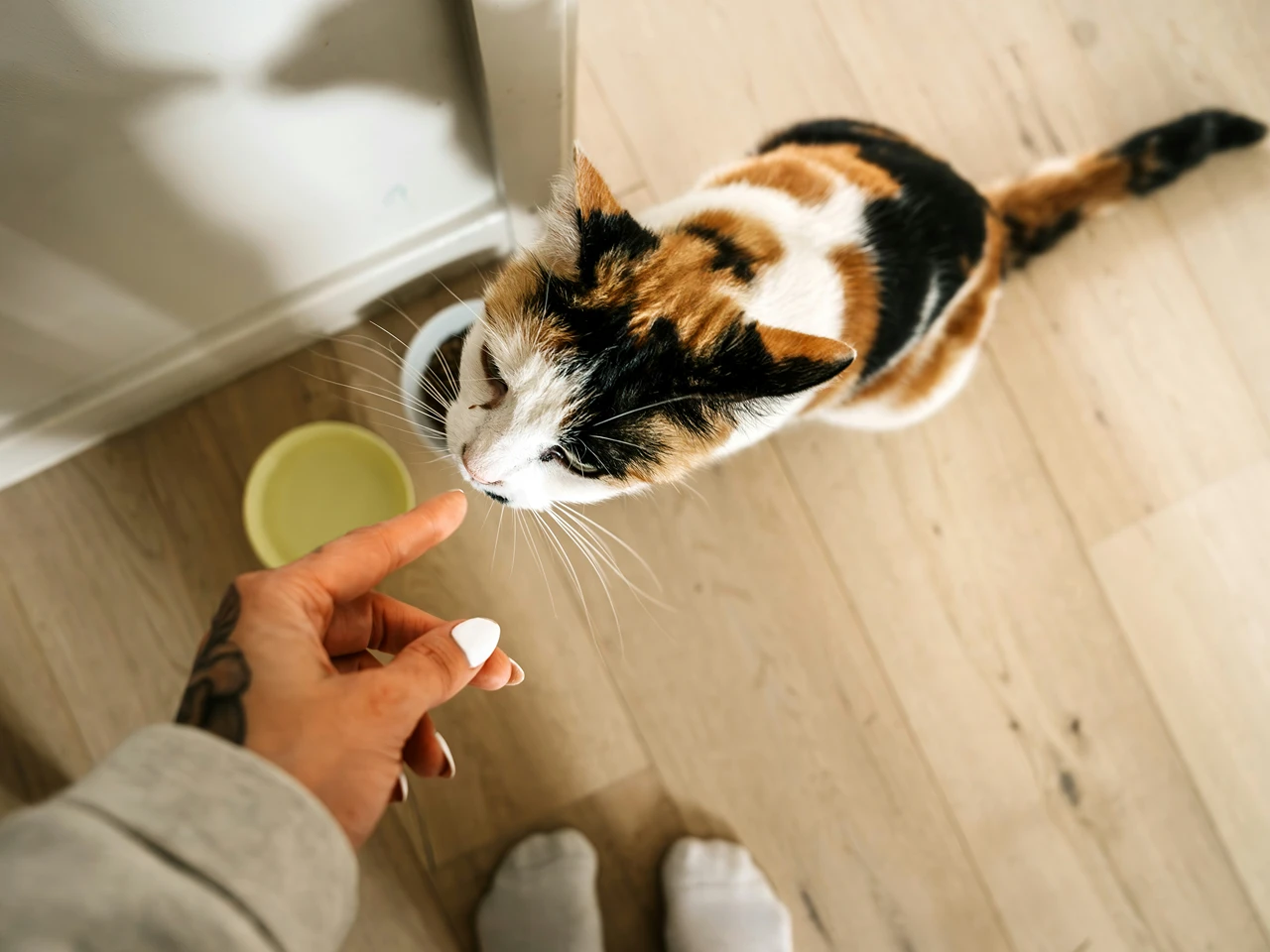
Mild constipation may sometimes improve with home support, but severe or recurring cases still need professional guidance.
- Increase Water Intake: To help prevent constipation, always make sure your cat has constant access to fresh water. Water fountains, adding moisture-rich foods, and switching partially to wet food may help the cat to pass stool more comfortably.
- Add Fibre to the Diet: Adding safe fibre sources can support digestion and help regulate stool consistency. Fibre may help some cats with chronic constipation by improving stool movement through the intestines.
- Canned Pumpkin (Plain, Unsweetened): Plain pumpkin is sometimes recommended as a gentle fibre supplement for constipation. Small amounts may help soften stool naturally in some cats.
- Ensure Clean, Accessible Litter Boxes: Stress reduction is important when managing a cat’s constipation. Keep the litter area quiet, accessible, and hygienic.
- Stool Softeners (Vet-Approved Only): Your veterinarian may recommend stool softeners in some cases. These products help draw moisture into stool, making it easier to pass.
- Laxatives (Prescribed by Vet): A laxative should only be used under veterinary supervision because incorrect use can worsen dehydration or create complications.
Some severe cases may require an enema for immediate relief if stool buildup becomes severe, and veterinarians may provide fluids or an enema during treatment. For advanced cases such as chronic constipation or megacolon, ongoing medical treatment and monitoring may be necessary.
Final Thoughts
If you suspect your cat is constipated, don’t wait too long to get help. Treating constipation early may prevent it from getting worse and reduce the risk of long-term digestive problems. Mild cases may benefit from increased hydration, diet changes and decreased stress. Persistent or severe constipation should always be checked out by a veterinarian.
Changes in litter box habits, appetite and behaviour are some of the first signs to look for to catch problems early before complications develop. Constipation can sometimes be associated with underlying medical conditions, so early treatment can greatly improve your cat’s comfort, digestive health, and overall quality of life.
Frequently Asked Questions
When should you take a constipated cat to a veterinarian?
If symptoms of constipation are persistent or worsen, medical care can prevent more serious digestive problems.
No Bowel Movement for Days: If your cat has not passed stool for 48–72 hours, it may indicate a more serious digestive slowdown that needs attention from a veterinarian.
Vomiting Alongside Digestive Issues: Repeated vomiting combined with constipation can suggest a blockage or worsening gastrointestinal problem that should not be ignored.
Painful Straining in the Litter Box: Cats that repeatedly strain without producing stool may be dealing with severe stool buildup or discomfort inside the intestines.
Visible Abdominal Swelling: A swollen or painful abdomen may happen when waste remains trapped inside the digestive tract for too long.
Loss of Appetite and Lethargy: When cats stop eating or become unusually tired due to constipation, prompt medical evaluation becomes especially important.
What are the common signs of constipation in cats?
Early detection of digestive changes allows owners to act before symptoms become worse.
Repeated Trips to the Litter Box: Cats that can't produce normal waste may make multiple visits to the litter box.
Small and Dry Stool: Hard, pebble-like waste is often one of the clearest digestive warning signs linked to dehydration.
Painful Vocalizing While Defecating: Some cats cry or appear distressed while attempting to pass stool because of discomfort.
Reduced Bathroom Frequency: Owners may notice less frequent cat poop production compared to their cat’s normal routine.
Behavioural Changes and Discomfort: The blog helps owners share signs of constipation, such as bloating, restlessness, or reduced activity levels.
What is the most common cause of constipation in cats?
Several health and lifestyle factors can affect digestion and slow normal stool movement.
Dehydration Problems: One major cause of constipation in cats is insufficient water intake, which dries out stool inside the colon.
Low-Fibre Diets: Without enough fibre, stool may become compact and difficult for the digestive tract to move properly.
Hairball Accumulation: Excess swallowed hair can partially block the intestinal tract and interfere with comfortable bowel movements.
Stress or Litter Box Avoidance: Dirty or stressful litter areas can cause cats to avoid the area, leading to delayed defecation habits.
Chronic Digestive Slowdowns: Kidney disease, megacolon, and other illnesses may be factors over time.
How can you help a constipated cat at home?
Mild constipation may improve with proper daily management and supportive home care.
Encourage Better Hydration: Wet food, fresh water or fountains can help soften stool and aid digestion.
Add Safe Fibre Sources: Some cats benefit from carefully added fibre to encourage healthier intestinal movement.
Keep the Litter Area Clean: Quiet and clean litter boxes can help prevent stress-related digestive problems.
Watch Symptoms Closely: Some cats can develop a serious form of constipation that requires professional treatment if symptoms persist or worsen.
Use only vet-approved products: Use stool softeners or laxatives only under guidance, to avoid complications.
Can constipation become dangerous for cats?
Although mild cases may improve, severe constipation can sometimes lead to serious medical problems.
Waste Can Become Impacted: Severe stool buildup may eventually prevent the cat from passing waste at all without assistance.
Digestive Pressure May Increase: When stool is trapped inside the body, it can cause painful bloating and stomach discomfort.
Complications Can Happen: If constipation isn’t treated, some cats may vomit, lose their appetite or become dehydrated.
Advanced Cases Need Intensive Care: Cases that do not respond to medical treatment may eventually require hospitalization or surgery for relief.
Young and Older Cats Need Extra Attention: If you think your cat or even a young kitten is struggling with bowel movements, early care is always safer than waiting too long.

