


TL;DR: What You Need to Know About Worms in Dogs
- Worms are common but treatable: Many dogs will experience worms at some point, but with proper care and early action, most infections can be safely managed and resolved.
- How dogs get worms: Everyday activities like sniffing soil, contact with feces, flea exposure, mosquito bites, or hunting behaviour mean dogs can also get parasites, even with good care.
- Know what to watch for: Symptoms may include diarrhea, vomiting, weight loss, scooting, coughing, or low energy — knowing what to look for helps you act quickly.
- Not all worms are the same: Different parasites affect different parts of the body, which is why vets must determine if your dog has a specific type before treatment begins.
- Safe treatments are available: Veterinary diagnosis, fecal testing, and targeted deworming medications effectively eliminate most worms when used correctly.
- Prevention is very important: Monthly preventatives, flea control, clean living spaces, and regular trips to the vet all lower the risk of infection by a lot.
- Protect your dog long term: Routine checkups, early deworming for puppies, and consistent preventive care help keep your dog healthy and parasite-free.
Have concerns about worms? Contact us for guidance, testing, and a personalized prevention plan to keep your dog safe and protected.
Worms are a common health issue that affects dogs of all ages. From playful puppies to senior companions, many dogs will encounter parasitic worms at some point in their lives. While it sounds alarming when a dog has worms, the good news is that safe and effective treatment options for worms are widely available.
Understanding how dogs can get worms, what to watch for, and how to respond quickly will help keep your dog healthy and protected long term. In this guide, we’ll cover the types of worms in dogs, common symptoms, causes, treatment options, and practical prevention tips so you know exactly how to get rid of worms in dogs safely and reduce the risk of reinfection in the future.
How Do Dogs Get Worms

Dogs are naturally curious, which unfortunately makes it easy for them to contract worms. Here’s how infection typically happens:
Ingesting Contaminated Soil
Dogs often sniff, lick, or ingest dirt while exploring outdoors—it’s just part of how they experience the world. If that soil contains worm eggs or larvae, your dog can become infected without you even realizing it.
Contact With Infected Feces
Coming into contact with contaminated feces or dog poop is one of the most common transmission routes. Even microscopic eggs left behind in a dog’s stool can easily spread infection to another pet, especially in shared outdoor spaces.
Eating Infected Prey or Rodents
Many dogs have a natural instinct to chase and hunt, even if it’s just in the backyard. When they consume infected prey, they can contract worms that live in the intestines.
Nursing From an Infected Mother
A mother dog can pass worms directly to her nursing puppies through milk. This means even very young dogs can contract worms early in life, sometimes before owners even notice anything is wrong.
Flea Ingestion
Fleas are more than just an itchy annoyance—they can carry worm larvae too. By eating infected fleas during grooming, dogs can develop parasites internally, which is why regular flea control is so important.
Mosquito Bite
Some parasites, like heartworms, are transmitted through mosquito bites. Just one bite can introduce larvae into the bloodstream, potentially leading to serious disease in dogs over time.
Contaminated Water Sources
Dogs often drink from puddles or stagnant water, especially during walks or playtime. Although dogs may seem tough and resilient, these water sources can still expose them to parasites and increase the risk of infection.
Types of Worms in Dogs

There are several common types of worms that can infect dogs. Some are more prevalent in dogs than in cats, but both species are still at risk, so it helps to know what you’re dealing with.
Roundworms
One of the most common intestinal worms and among the main types of intestinal worms in dogs, roundworms live in the intestines and are especially common in dogs, particularly puppies. They can cause a pot-bellied appearance and digestive upset if left untreated.
Tapeworms
Tapeworm segments often look like tiny pieces of rice in a dog’s bedding or dog’s stool—sometimes described as grains of rice. These infections usually happen after ingesting fleas, making parasite prevention especially important.
Hookworms
Yes, dogs can get hookworms, and they’re considered common intestinal worms seen in veterinary clinics. What makes them tricky is that the larvae migrate through the skin, so infection can happen even without direct ingestion.
Whipworms
These are another type of intestinal parasite that lives in the large intestine and can be difficult to detect early on. They’re one of the different worms that may lead to chronic digestive issues like diarrhea and weight loss.
Heartworms
Unlike other different worms, heartworms live in the heart and lungs rather than the intestines. They can severely affect circulation and breathing, and the treatment for heartworm is much more complex than routine deworming.
Ringworm (Fungal, Not a Worm)
Despite the name, ringworm isn’t actually a worm but a fungal infection that can spread between a dog or cat. It can also be passed from animals to humans, and yes, humans can also become infected in certain situations.
Symptoms of Worms in Dogs

The signs of worms can vary and often depend on the type involved, and in some cases, dogs may even show no symptoms early on. Here’s what to look for:
- Diarrhea or Soft Stool: Changes in stool consistency or frequent loose poop are common signs of worms affecting the digestive system.
- Vomiting: In some cases, worms may be visible in vomit, which can be alarming but is a clear sign something is wrong.
- Weight Loss: Even with a normal appetite, your dog may lose weight because worms steal essential nutrients.
- Pot-Bellied Appearance: A swollen or bloated belly is often seen in a puppy with heavy roundworm infections.
- Dull Coat: Poor nutrient absorption can leave your dog’s coat looking dry, rough, and unhealthy.
- Visible Worms in Stool: You might notice your dog passing worms, sometimes seen as small, moving strands or segments.
- Scooting or dragging the rear: Irritation around the anus, often from tapeworm segments, may cause this behaviour.
- Cough: A lingering cough can be part of the range of symptoms, especially with heartworm infections affecting the lungs.
- Lethargy and Weakness: Low energy levels may develop over time, and some worms can cause anemia, particularly hookworms.
The dog’s symptoms can range from mild digestive upset to more serious issues involving the lungs or heart. If you’re unsure how to tell if your dog is infected, it’s best to consult a veterinarian for a proper diagnosis.
How to Treat Worms in Dogs
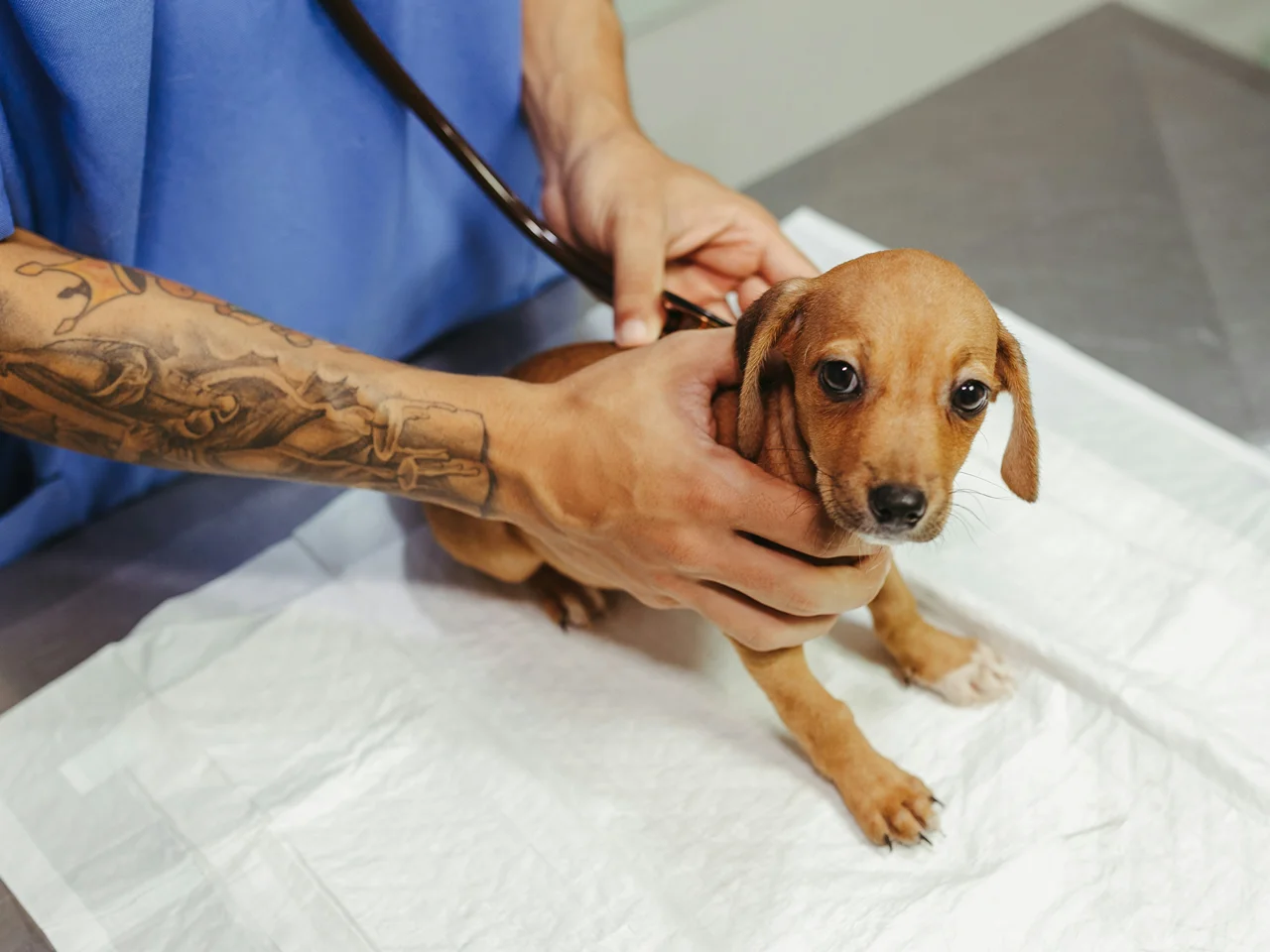
If you suspect your dog has worms, proper diagnosis is essential since treatment always depends on the type of parasite involved. Here’s what the process usually looks like:
Veterinary Diagnosis Required
A licensed vet should look at your dog to make sure it has an infection and suggest the best course of action. Veterinarians with a lot of experience love helping pet owners understand what's going on and if treatment is really necessary.
Fecal Examination First
A fecal exam is typically the first step, as it checks for microscopic eggs in your dog’s stool sample. It’s a simple, routine test that helps identify the specific parasite involved.
Prescription Deworming Medications
Treatment usually involves targeted deworming medication designed to eliminate specific parasites. Not all products are effective against certain types of worms, so proper diagnosis really matters.
Treatment Varies by Worm Type
The best options for worms in dogs will depend on the exact species identified. Some infections are easy to treat, while others may require a more tailored plan.
Multiple Doses Often Needed
Deworming isn’t always a one-time fix—repeat doses are often needed to eliminate newly hatched larvae. This helps ensure the infection is fully cleared.
Follow-Up Testing Recommended
After treatment, your vet may suggest another fecal exam to confirm that your infected dog is parasite-free. This step adds peace of mind and prevents reinfection from going unnoticed.
Heartworm Treatment Is More Intensive
Unlike common intestinal worms, heartworm disease requires a longer and carefully monitored treatment process. It often involves multiple steps and strict activity restrictions during recovery.
Prompt care makes a big difference, as untreated infections can worsen over time—especially since worms can cause serious internal damage if ignored.
How to Prevent Worms in Dogs

Prevention is always easier than treatment, especially when it comes to protecting your dog from getting parasites. Here’s what you can do:
- Monthly Preventive Medications: Regular preventatives help stop parasites before they develop into adult worms. Staying consistent with these treatments is one of the easiest ways to protect your dog long-term.
- Prevent Hunting or Scavenging: Try to supervise outdoor time so your dog avoids hunting or eating unknown objects. These habits may seem harmless, but they can expose your pet to parasites.
- Flea Control Programs: Consistent flea treatment plays a big role in prevention, especially against tapeworms. Since fleas can carry parasites, keeping them under control reduces infection risk.
- Avoid Contaminated Areas: Avoid letting your dog roam in heavily soiled areas where parasites may be present. It also helps to clean up after your pet promptly to reduce environmental contamination.
- Regular Veterinary Checkups: Routine vet visits are important for both puppies and adult dogs, as they help detect problems early. Even healthy-looking dogs can carry parasites without obvious signs.
- Deworm puppies early: Young dogs are more likely to get worms, and puppies can also get them from their mother early on. Starting preventive care early helps keep them safe when they are most at risk.
Final Thoughts
With awareness and preventive care, you can help keep your dog safe. You can be sure that your dog will be safe from harmful parasites for years to come if you work closely with your vet, keep an eye on changes in behaviour or digestion, and follow the right prevention steps. Early detection is very important because even mild symptoms can mean that an infection is getting worse.
Staying consistent with routine checkups, parasite prevention, and hygiene habits can greatly reduce the risk of reinfection. Trust your observations—if something seems unusual, it’s always worth investigating. Taking a proactive approach not only protects your dog’s health but also ensures a happier, more comfortable life.
Frequently Asked Questions
What Are the Common Symptoms of Worms in Dogs?
If you notice early warning signs, you can act quickly to stop the problem from getting worse.
Changes in digestion: Diarrhea or loose stool could mean that worms are affecting the intestines.
Vomiting or Seeing Worms: Worms may sometimes show up in vomit, which is a clear sign of an infection.
Losing weight even though they eat normally: Parasites can take nutrients from their food, which can lead to gradual weight loss over time.
Scooting or Rear Irritation: Dogs may drag their rear on the ground due to irritation from parasites.
Low Energy or Weakness: Lethargy can develop as the infection progresses and affects overall health.
How Do Dogs Get Worms?
Understanding transmission helps reduce the risk of infection in everyday situations.
Everyday Exploration Can Lead to Exposure: Dogs, including those that stay mostly indoors, can still pick up parasite eggs while sniffing or licking contaminated soil.
Contact with Infected Feces: Coming into contact with contaminated stool is one of the most common ways worms spread.
Eating Infected Prey or Fleas: Hunting behaviour or ingesting fleas can introduce parasites into the body.
Transmission From Mother to Puppies: Young dogs can contract worms through nursing from an infected mother.
Mosquito Bites or Dirty Water: Some parasites, like heartworms, are transmitted through bites or contaminated water sources.
What Types of Worms Can Affect Dogs?
Treatment depends on where the parasite is in the body because different parasites affect different parts of the body.
Roundworms: These worms live in the intestines and can make a puppy's belly feel full.
Tapeworms: These look like small pieces of rice in stool or bedding and are often found with fleas.
Hookworms: These can get in through the skin and make your dog weak and anemic.
Whipworms: Harder to detect, they affect the large intestine and may cause chronic diarrhea.
Heartworms: These live in the heart and lungs and require more complex treatment.
How to Get Rid of Worms in Dogs?
Proper treatment involves a combination of diagnosis, medication, and follow-up care to fully eliminate parasites.
Get a Veterinary Diagnosis First: Before starting treatment, you need to see a vet to confirm the infection and find out what kind of parasite it is.
Do a Fecal Examination: Checking your dog's poop for worm eggs helps you choose the right treatment.
Use Targeted Deworming Medications: Prescription dewormers are made to kill certain parasites in a safe and effective way.
Follow the Full Treatment Plan: To get rid of larvae and stop them from coming back, many treatments need to be given more than once.
Schedule Follow-Up Testing: Checking again after treatment makes sure your dog is completely free of parasites and getting better.
How Can You Prevent Worms in Dogs?
Prevention focuses on consistent care and reducing exposure to parasites.
Use Monthly Preventatives: Regular medications can help keep parasites from turning into adult worms.
Keep Fleas Under Control: Keeping fleas under control greatly lowers the risk of getting tapeworms.
Keep the Environment Clean: Cleaning your dog's area often keeps parasite eggs from spreading.
Stay Away from High-Risk Areas: Stay away from places that are very dirty and may have worms in them.
Schedule Regular Vet Checkups: Routine visits help detect infections early and keep your dog protected long term.

