


TL;DR: Why Your Dog Might Be Shaking — and When to Worry
- Normal reasons: Shaking isn’t always a bad sign — dogs may tremble from cold weather, excitement, or mild anxiety, just like people.
- When it’s medical: Persistent or intense shaking can point to pain, muscle fatigue, or health issues like low blood sugar, kidney or liver problems, or neurological disorders.
- Serious situations: If your dog has eaten something toxic (like chocolate, xylitol, or meds) or shows vomiting, weakness, or confusion, it’s a vet emergency.
- Age matters: Senior dogs may shake due to age-related tremors or muscle weakness — it’s usually harmless but worth checking with your vet.
- What to do: Stay calm, check for injuries or stress triggers, and keep your dog warm and hydrated. Track when shaking happens to help your vet assess patterns.
- See your vet if: Shaking lasts over 24 hours, worsens, or comes with pain, appetite loss, or behaviour changes. Early care prevents serious complications.
Not sure what’s behind your dog’s shaking? Schedule a vet check-up to get personalized guidance and ensure your dog gets the right care.
Dogs get the occasional tremor or shiver for many reasons, and not all of them are serious. Like people, dogs may shake or tremble due to excitement, stress, or even cold weather. However, persistent shaking can be a sign that your dog is experiencing something more concerning. Sometimes, trembling may point to underlying medical conditions.
These subtle body cues can help you respond appropriately. Read on as we share the common reasons why your dog might be shaking, what it could mean, and when it’s time to take your dog to the vet for proper care.
Common Causes of Shivering and Trembling in Dogs

Not all shaking is alarming — sometimes, it’s just your dog’s way of reacting to the world around them. From chilly temperatures to bursts of excitement, there are many common reasons that lead to shaking in dogs.
Cold Temperatures or Weather Changes
A dog may shake simply because they’re cold. Small or short-haired breeds often feel the chill faster, especially during winter walks or after baths. To help your dog, make sure you keep it warm with a blanket or jacket during colder months. Prolonged exposure to low temperatures can lead to shaking in dogs and even hypothermia if not addressed.
Excitement or Anticipation
Sometimes, shaking can be a sign of pure joy. Your dog might be shaking right before a walk, meal, or playtime out of sheer excitement. This kind of trembling usually stops once the activity starts, so there’s generally no need to worry unless it becomes persistent shaking that interferes with their behaviour.
Fear, Anxiety, or Stress
A dog trembling during thunderstorms, fireworks, or vet visits is likely reacting to fear. When a dog is afraid, their body releases stress hormones that lead to shaking. Providing comfort, safe spaces, or even certified dog training for anxiety can make a big difference.
Pain or Discomfort
Shaking may indicate a sign of pain in your pet. If your dog seems uncomfortable, avoids movement, or yelps when touched, contact your vet. Pain from injuries, arthritis, or other conditions can result in shaking. Always look for other signs like limping, whining, or restlessness.
Muscle Weakness or Fatigue
After vigorous play or a long walk, your dog may shake due to muscle exhaustion. Fatigue-related tremors often stop once your dog rests and rehydrates. However, if your dog continues to shake after rest, it’s worth a vet visit.
Age-Related Tremors in Senior Dogs
Senior dogs sometimes develop tremors or shaking due to age-related muscle weakness or neurological decline. Symptoms like shaking are often harmless, but any sudden changes should still be discussed with a veterinarian, as older dogs are more prone to underlying medical conditions.
Other Possible Causes of Shaking in Dogs

Other times, the cause of your dog’s shaking runs deeper than fear or excitement. Certain medical conditions or disorders can lead to shaking in dogs and may require professional attention.
Medical Conditions (Kidney Disease, Liver Problems)
Some health problems, like kidney or liver disease, can also make your dog shake. These conditions often cause symptoms like vomiting, lethargy, or appetite loss. If you suspect your dog has an internal illness, contact your veterinarian immediately for testing and proper treatment.
Neurological Disorders
Problems with the nervous system like distemper or nerve damage can cause dogs to shake. These kinds of neurological issues can be serious, so it’s best to get your pup checked by a vet right away to avoid things getting worse.
Toxin Exposure or Poisoning
If your dog has ingested toxic substances such as xylitol, chocolate, or certain medications, they may begin to shake or tremble. This is a medical emergency that requires immediate veterinary attention. Contact the animal poison control center or your emergency vet if you suspect your dog has eaten something toxic.
Generalized Tremor Syndrome (GTS)
Generalized Tremor Syndrome, also known as white shaker dog syndrome, is a condition that causes continuous tremors across the body. It’s commonly seen in small white breeds but can occur in any dog. Although not life-threatening, this condition needs diagnosis and management from a veterinarian.
Hypoglycemia (Low Blood Sugar)
Young puppies and small breeds are prone to low blood sugar, which can lead to shaking. If your dog begins trembling, acting weak, or confused, it could be due to low blood sugar levels. Immediate feeding or a vet consultation can stabilize your dog’s condition before it worsens.
Addison’s Disease
This hormonal disorder can cause shaking, lethargy, and vomiting. Because shaking can also occur with other symptoms like appetite loss or weight changes, Addison’s disease is often mistaken for other illnesses. If your dog’s shaking seems unusual, schedule a vet visit for blood work.
Seizures or Epilepsy
A seizure can look like a severe tremor or collapse. If shaking is accompanied by loss of consciousness, drooling, or confusion, this may indicate epilepsy or another neurological syndrome. Don’t assume that your dog will recover on their own, take your dog to the vet or seek emergency veterinary attention immediately.
What to Do When Your Dog is Shaking
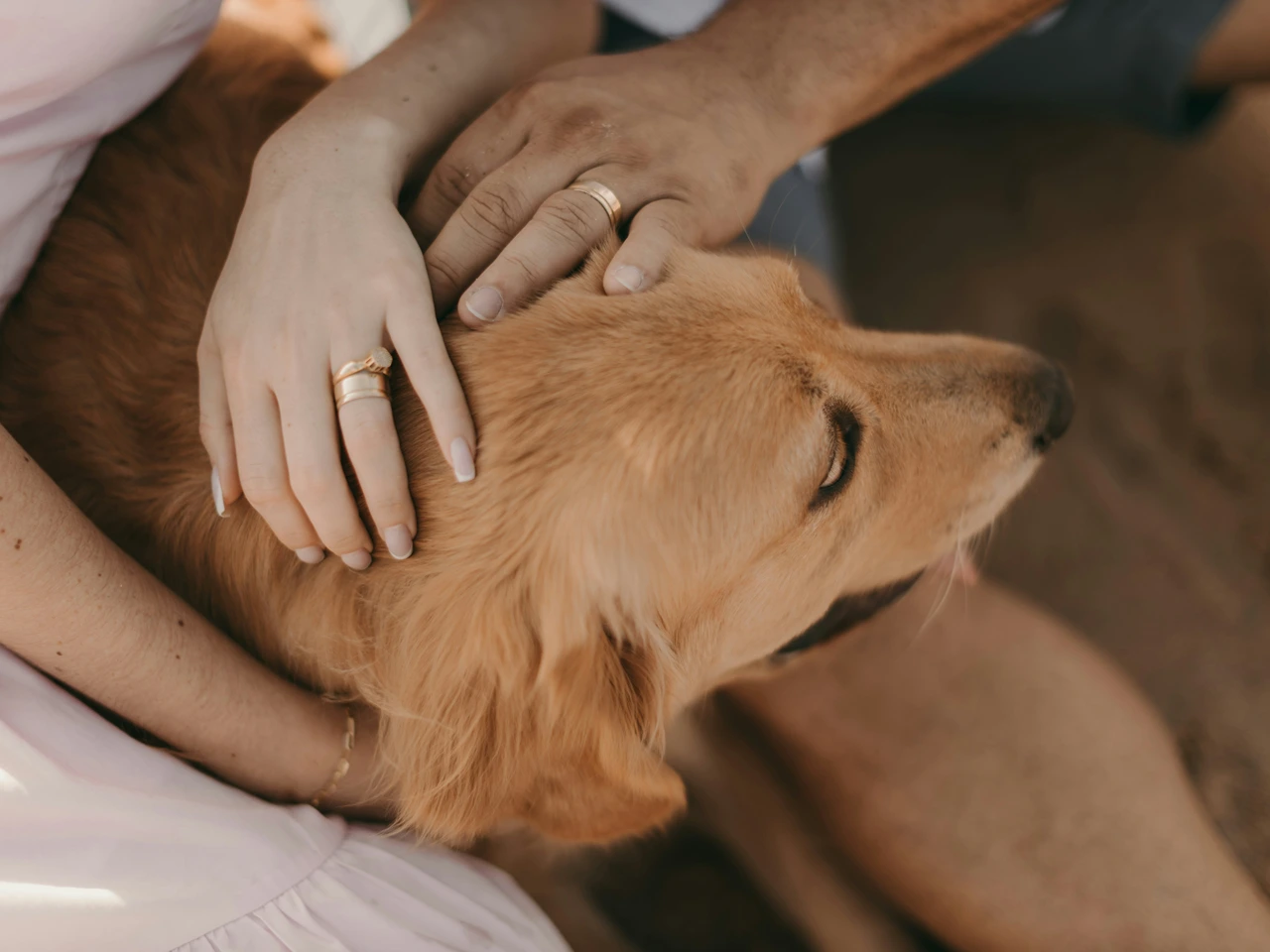
Seeing your pet tremble can be concerning, but staying calm and observant can help you determine the reason for your dog’s shaking.
- Assess the Environment and Recent Activities: Check if your dog is experiencing cold, fear, or excitement. Sometimes, simple context clues can explain the reason for your dog’s shaking.
- Check for Injuries or Signs of Pain: Run your hands gently over their body. If your dog flinches or yelps, it could be a sign of pain requiring vet care.
- Monitor Duration and Intensity of Shaking: If your dog continues to shake for more than a few minutes or the tremors worsen, keep track of these details for your vet visit.
- Note Any Accompanying Symptoms: Shaking and panting might be normal after exercise, but if accompanied by other symptoms like vomiting or weakness, your dog needs prompt medical attention.
- Keep a Log of Episodes: Document when your dog starts shaking, how long it lasts, and what triggers it. This helps your veterinarian identify possible causes.
- Remove Potential Stressors: If the shaking is due to fear, calming your dog to shiver less might just require removing the trigger — like loud noises or unfamiliar people — and giving them reassurance.
When to See a Vet
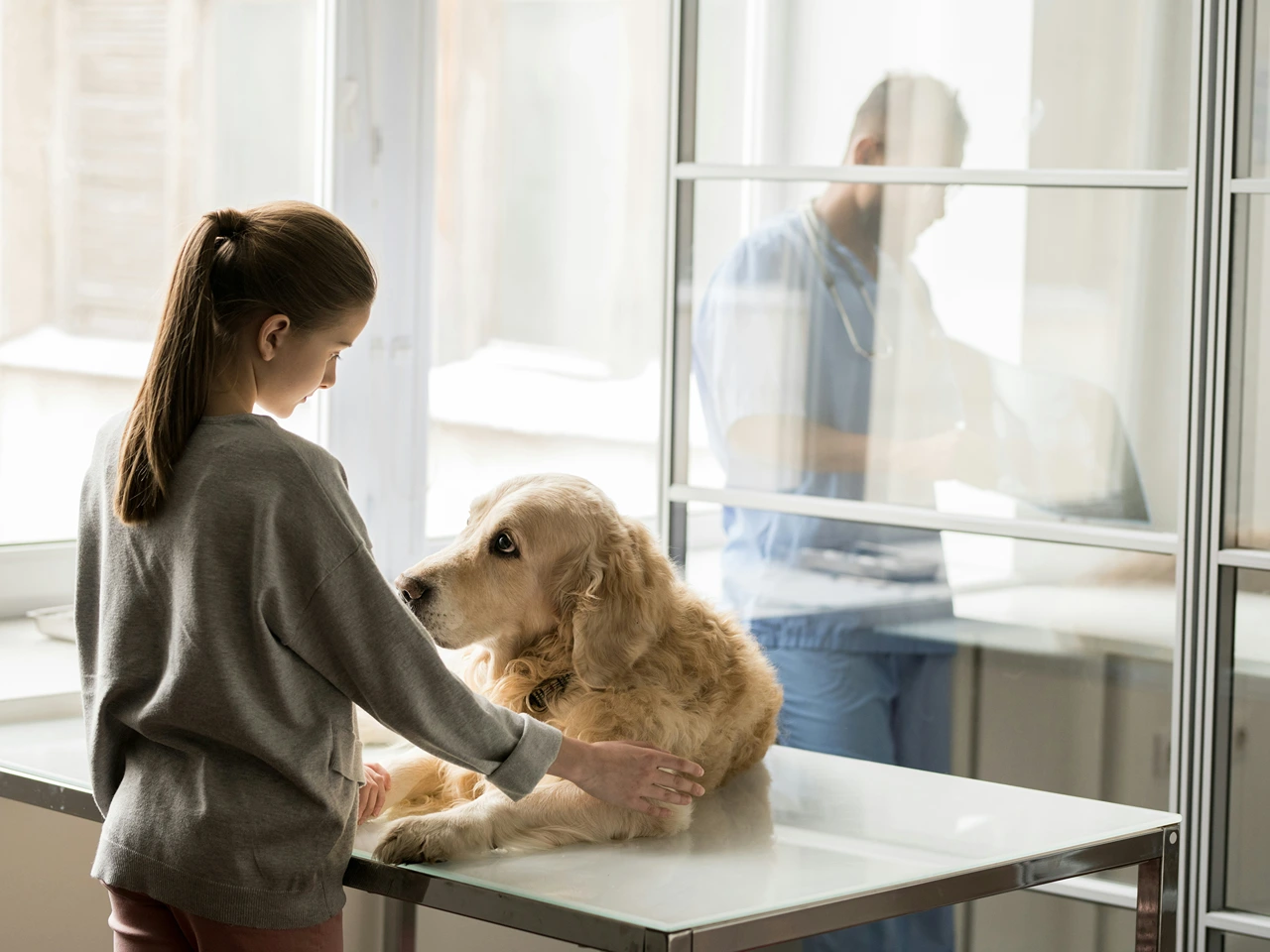
Knowing when to call in the vet can really make a difference for your dog’s health. While a bit of trembling here and there isn’t always a big deal, some signs are your cue to call the vet sooner rather than later.
- Shaking lasts more than 24 hours, especially if you can’t figure out why. If your dog keeps trembling even after you’ve ruled out cold, fear, or excitement, it’s best to have a vet check what’s going on underneath.
- It’s accompanied by lethargy or weakness. If your usually playful dog suddenly seems drained or uninterested in moving around, it could be a sign of something more serious, like low blood sugar or infection.
- Your dog refuses to eat or acts differently. Skipping meals, hiding, or showing unusual behaviour can be your dog’s way of saying they’re not feeling well. A quick vet visit can help rule out anything major.
- There are signs of pain or distress. Whining, limping, or yelping when touched usually means your dog is hurting and needs medical attention to find out why.
- Suppose your dog struggles to walk or stand properly. Trembling that affects balance or coordination isn’t just tired legs; it could point to muscle or nerve problems that need a closer look.
- Poisoning or toxin ingestion, if you think your dog might’ve gotten into something toxic like xylitol, chocolate, or medication, don’t wait it out. Head to the vet immediately — time matters in these cases.
Final Thoughts
A shaking dog can be worrying, but the reasons behind it often range from harmless to serious. The best approach is to stay calm, look for other signs, and seek veterinary care when in doubt. Catching issues early can stop minor problems from turning into something serious — and make sure your dog gets the care they need to feel better faster.
Whether it’s excitement after seeing you, a chill from cold weather, or something more complex like pain or illness, paying attention to these signs can make all the difference. You know your dog best, if something feels off, trust your instincts and schedule a vet checkup.
Frequently Asked Questions
Why Do Dogs Shake?
Dogs shake for a mix of emotional, physical, and environmental reasons, and understanding the cause helps you care for them better.
Temperature Response: Cold weather is one of the most common causes of tremors or shaking in dogs, especially in smaller or short-coated breeds trying to keep warm.
Emotional Reactions: You might notice your dog shaking out of excitement, nervousness, or fear — similar to how humans shiver when overwhelmed by strong feelings.
Physical Fatigue: After exercise or play, muscle fatigue can make dogs tremble briefly until they rest and recover.
Pain or Discomfort: Dogs may shake if they’re in pain from conditions like arthritis, injury, or infection, signalling that something isn’t right.
Medical Triggers: Health problems like low blood sugar or nerve disorders can also cause shaking — especially if it happens often or for no obvious reason.
How to Help a Shaking Dog?
Once you discover why your dog is shaking, you can act fast and provide comfort before it becomes something serious.
Provide Warmth and Comfort: If your dog’s shaking is caused by cold or stress, wrapping them in a blanket or staying close often eases the trembling.
Create a Calm Space: Loud noises or unfamiliar environments can trigger shaking — giving your dog a quiet area helps them feel safe.
Check for Pain or Injury: Gently inspect your dog for cuts, swelling, or sore spots that could explain the shivering and shaking.
Monitor Food and Water Intake: Dehydration or low blood sugar can cause shaking, so make sure your dog eats balanced meals and stays hydrated.
Contact Your Veterinarian: If the shaking continues despite comfort and rest, it’s best to let your vet assess your dog and recommend the right treatment.
Should I Be Worried if My Dog is Shaking?
Occasional trembling is normal, but knowing when to worry helps every dog owner respond appropriately.
Duration of Shaking: If your dog’s been shaking for more than a day and you can’t figure out why, that’s your cue to book a vet visit.
Behavioural Changes: If your dog seems unusually anxious, tired, or withdrawn, it may indicate a deeper health or emotional issue.
Side Effects from Medications: Some medications can cause shaking, so review any recent prescriptions with your vet if the trembling began after starting one.
Accompanying Symptoms: Watch for vomiting, appetite loss, or confusion — these can point to poisoning or systemic illness.
Age-Related Factors: Senior dogs may shake from natural muscle weakening, but sudden or severe tremors deserve medical evaluation.
When Should I See a Veterinarian?
Sometimes, home remedies aren’t enough — here’s when you should definitely call your vet.
Continuous Shaking: If your dog’s tremors don’t stop after rest or warmth, professional testing can uncover the root cause.
Sudden Weakness or Collapse: These symptoms could mean a serious problem like hypoglycemia or a neurological condition requiring immediate attention.
Ingestion of Toxins: Trembling after eating chocolate, xylitol, or medication means possible poisoning — this is an emergency.
Signs of Pain or Discomfort: Limping, whining, or avoiding movement are all red flags that shouldn’t be ignored.
Unusual Neurological Symptoms: Dogs showing poor coordination, confusion, or eye flickering may be experiencing a syndrome or white shaker dog episode needing quick diagnosis.
When Does Dog Trembling or Shivering Become Serious?
Mild trembling can be harmless, but here’s when shivering and shaking may signal a real health concern.
Other Symptoms: If your dog’s shaking comes with things like vomiting, acting super tired, or seeming confused, it’s probably more than just emotions at play.
Frequency and Intensity: When the trembling keeps happening or looks pretty intense, that’s a sign something medical might be going on and needs a vet’s check.
After Physical Activity: If your pup keeps shaking long after playtime’s over, it could be from tired muscles — or possibly a nerve or muscle issue that needs attention.
Reaction to Stress or Fear: If stress-related shaking doesn’t stop even after removing triggers, professional guidance may be needed.
Underlying Health Conditions: Diseases like Addison’s, kidney failure, or neurological disorders can make shaking more frequent — that’s when early vet care makes all the difference.

