
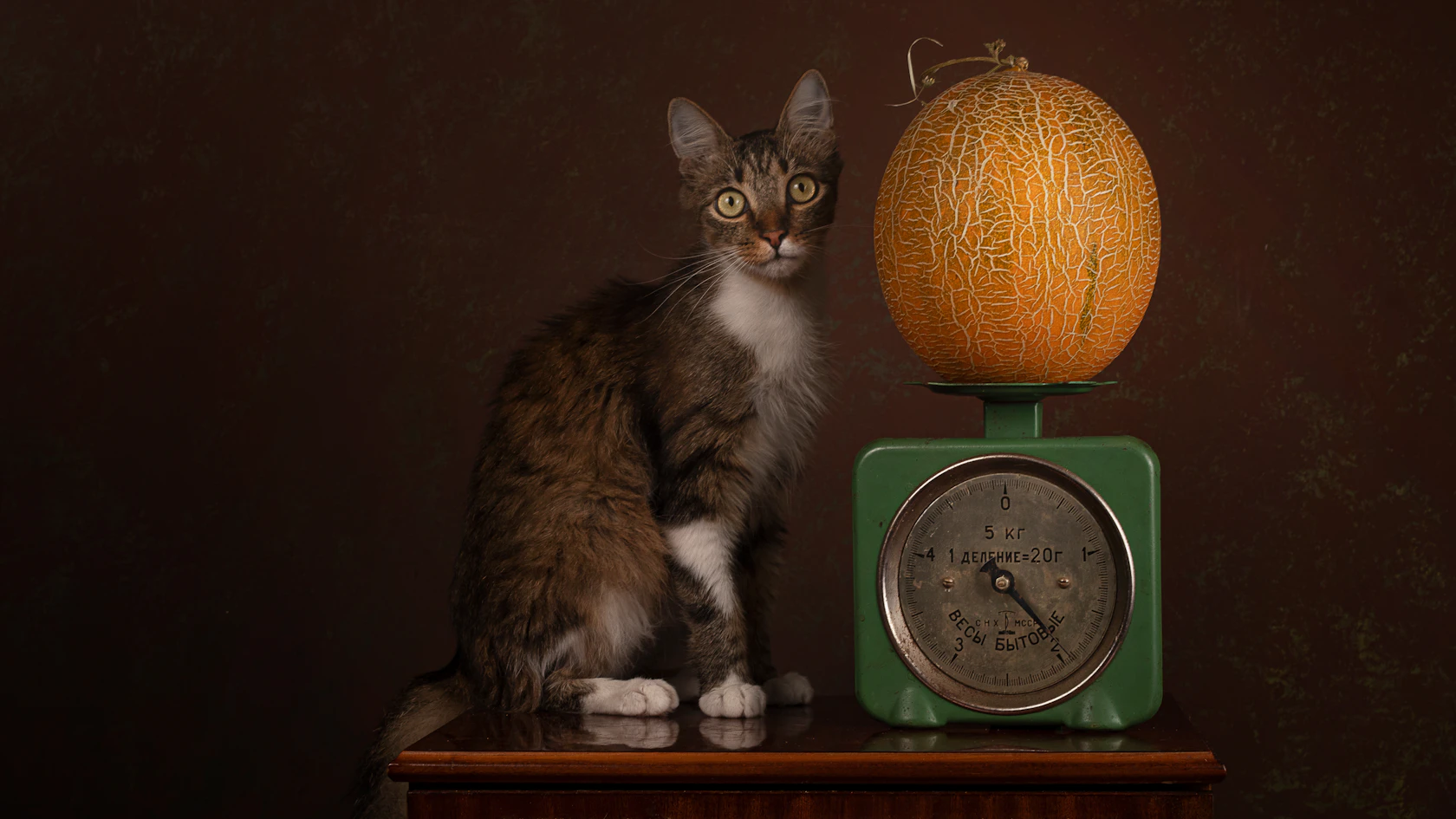

TL;DR: How Much Should a Cat Weigh?
- Most adult cats weigh 3.5 to 5.5 kg: The average domestic shorthair weighs around 4 to 5 kg (about 9 to 11 lb).
- Breed and frame matter: A Siamese can be healthy at 3 kg, while a Maine Coon may be fit at 8 kg.
- Body condition beats the scale: Vets use a body condition score (BCS) to check if your cat is at a healthy weight. You should be able to feel the ribs and see a waist.
- Overweight cats are common: Extra weight raises the risk of diabetes, arthritis and urinary problems.
- Lose weight slowly: Crash diets can cause a dangerous liver disease in cats, so any weight-loss plan should be guided by your vet.
Not sure if your cat is the right weight? Book a wellness visit with PetNation and our Toronto vets will check your cat's body condition and set a target weight.
Most healthy adult cats should weigh about 3.5 to 5.5 kg (8 to 12 lb), and the average domestic shorthair weighs around 4 to 5 kg. Breed, frame, age and sex all shift that range, so a Siamese can be healthy at 3 kg and a Maine Coon at 8 kg. The best check is your cat's body condition: you should be able to feel the ribs easily and see a waist from above.
Winter adds its own challenge in Canada. Indoor cats get less exercise in the colder months, and holiday treats add up.
Below, we cover average cat weight by breed and age, a quick body check you can do at home, and what to do about extra or missing weight. You don’t need a scale at home to judge it.
Average Cat Weight: What Is a Healthy Weight for an Adult Cat?
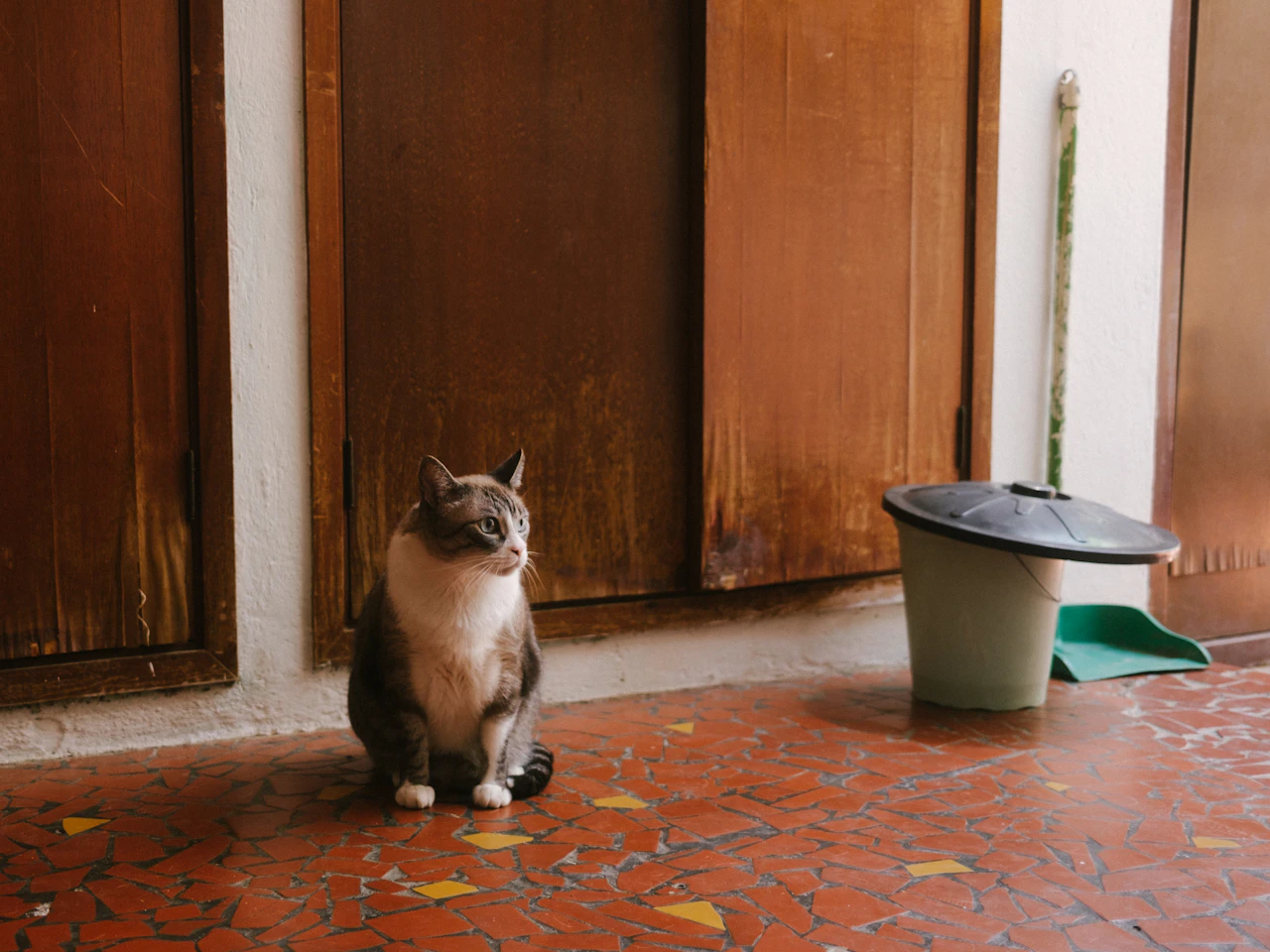
For most domestic cats, the healthy weight range for an adult cat is about 3.5 to 5.5 kg (8–12 pounds). Domestic shorthairs, the most common mixed breed cats in Canada, typically weigh around 4 to 5 kg. Very small healthy adult cats can weigh as little as 2.7 kg (6 pounds). Female cats tend to be a little lighter than males.
These numbers are a general reference only. A small-framed cat can be overweight at 5 kg, and a large-boned one lean at 6 kg. That's why vets look at weight and body shape together, with a hands-on check of your cat’s body condition.
Average Cat Weight by Breed: Ideal Weight for a Cat of Each Breed

Purebred cats vary a lot in body size, so the right weight for your cat depends on age and breed, and the average weight of one feline breed can be double another's. Here's a general cat weight chart for healthy adults of popular breeds:
Cat breedTypical adult weightDomestic shorthair or longhair (mixed breed)3.5–5.5 kgSiamese2.5–5 kgSphynx3–5 kgPersian3–5.5 kgBengal3.5–7 kgBritish Shorthair4–8 kgRagdoll4.5–9 kgNorwegian Forest Cat4–9 kgMaine Coon5–8 kg or more
Use the chart as a starting point, not a target weight. Your vet can help you find the right weight for your cat specifically, since breed cats and mixed breeds both vary.
How Much Should a Cat Weigh? Healthy Cat Weight at Each Life Stage

Kittens
Kittens grow fast. A newborn weighs about 100 grams, and a common rule of thumb is that a healthy kitten gains roughly 0.45 kg (1 pound) per month of age until about five or six months. Weighing your cat weekly during the first months is a good way to make sure they're on track.
Young adults (1 to 7 years)
Young adult cats aged 1 to 7 should stay at a steady adult weight, usually 3.5 to 5.5 kg for a domestic shorthair, with a body condition score of 5 out of 9. By their first birthday, most cats are about as big as they'll get. Maine Coons are the exception and can keep filling out until age three or four. The trouble usually starts a few months after spaying or neutering. Hormone changes slow the metabolism, but the food bowl stays just as full, and the scale creeps up a little each year. This is the life stage when weight gain is easiest to prevent.
The Association for Pet Obesity Prevention gives 5 out of 9 as the usual target for adult cats, which works out to roughly 20 to 24% body fat. Weigh your cat every month during these years, and cut portions by a small amount at the first sign of a gain rather than waiting for a big change.
Senior cats (8 years and older)
Senior cats aged 8 and older should keep roughly the weight they had as adults, and any unexplained loss needs a vet check. Many middle-aged cats put on weight, but senior cats often start to lose it. Muscle loss is common with age, and gradual weight loss in an older cat can be an early sign of kidney disease, hyperthyroidism, diabetes or dental pain. Wondering where your cat fits? See our guide to cat age in human years.
A vet may decide that a score of 6 out of 9 is acceptable for some older cats. Weigh your senior cat monthly and book a visit if it loses weight two months in a row, even if it's still eating well.
Body Condition Score: Is Your Cat at a Healthy Weight?

A body condition score (BCS) is a hands-on way to assess your cat’s physique and assess your cat’s body condition at home. Most vets use a 9-point scale, where 1 is very thin, 9 is obese, and 4 to 5 is ideal. Each point above 5 is roughly 10% extra body weight.
You can check your cat at home in three steps:
- Feel the ribs: Run your hands along your cat's sides. You should be able to feel each rib easily under a thin layer of fat, without pressing hard.
- Look from above: With your cat standing, look down. You should see a gentle waist behind the ribs.
- Check from the side: The belly should tuck up slightly. A small, loose flap of skin on the belly (the primordial pouch) is normal and isn't fat.
If you can't feel the ribs, there's no waist, and the belly sags, your cat is likely overweight. If the ribs, spine and hip bones stick out, your cat is likely underweight.
When a Cat Is Overweight: Risks of Extra Weight
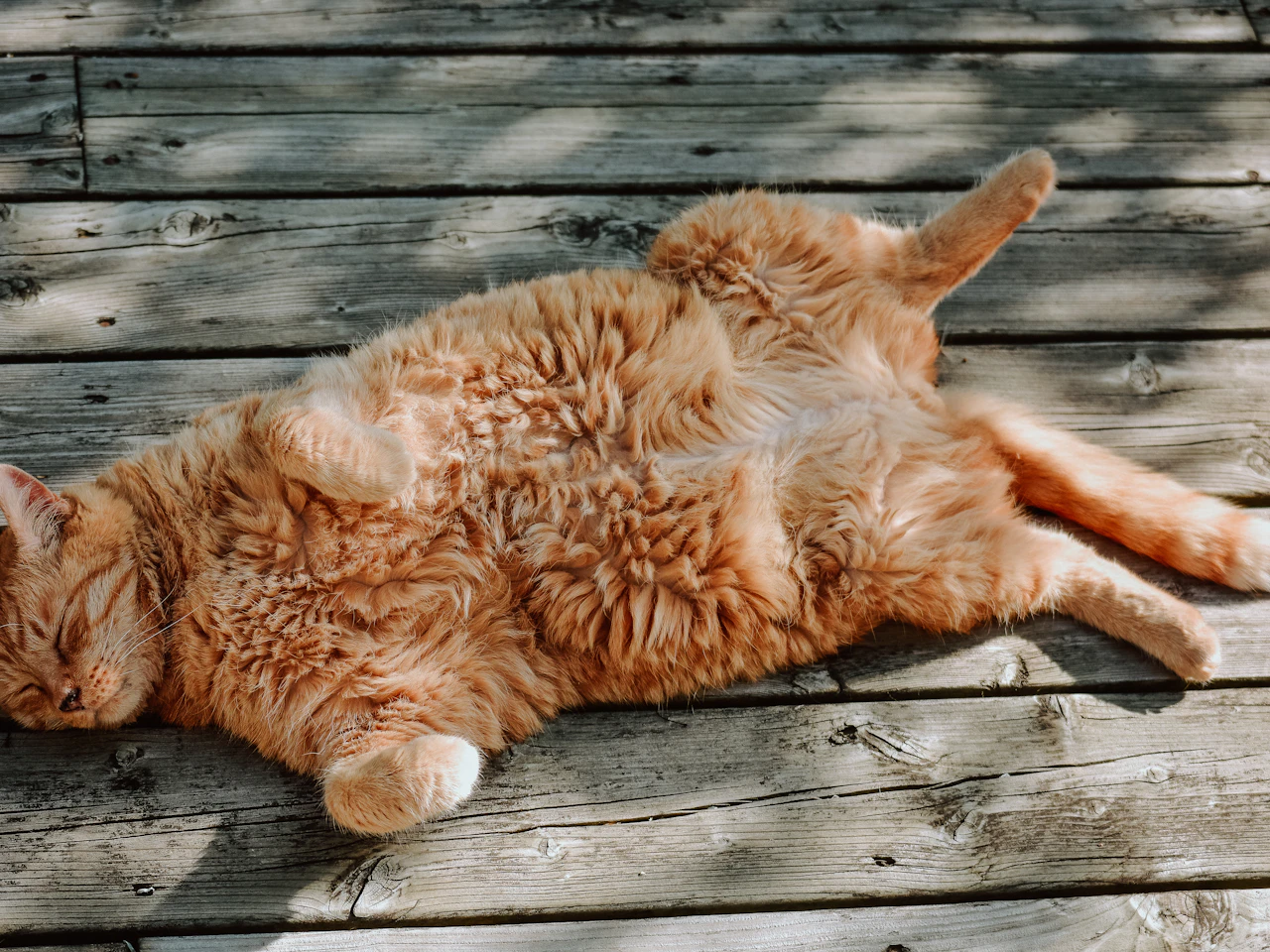
Overweight cats are very common. The Association for Pet Obesity Prevention estimates that about 6 in 10 cats in the U.S. are overweight or obese, and many cat owners don't realize their cat is carrying extra pounds.
Obesity affects your cat’s health, overall health and quality of life. It's linked to:
- Diabetes: Overweight cats are several times more likely to develop diabetes. Learn the signs in our article on diabetes in cats.
- Arthritis: Extra weight puts more strain on joints, which already ache more in cold weather. Read about cat arthritis in winter.
- Urinary problems: Heavy, inactive cats are more prone to bladder issues.
- Shorter lifespan: Studies link obesity to a shorter life in cats.
A Veterinary Weight-Loss Plan for an Overweight Cat

Weight loss in cats has to be slow. If a cat suddenly stops eating or loses weight too fast, it can develop hepatic lipidosis (fatty liver disease), which can be life-threatening. Your veterinarian will set a target weight and a weight-loss plan, usually aiming for a slow, steady loss of about 0.5 to 2% of body weight per week.
A good plan usually includes:
- Measured meals: Weigh your cat's food on a kitchen scale instead of guessing with a cup.
- The right food: A weight-control or high-protein diet can help your cat feel full. Our article on choosing the right pet food has more on proper nutrition.
- Fewer treats: Too many treats are a common cause of weight gain. Keep treats under 10% of daily calories.
- More play: Two or three short play sessions a day with a wand toy or laser pointer help, especially in winter when cats are less active.
- Regular weigh-ins: Track your cat's weight every two to four weeks.
Signs of an Underweight Cat and When to See a Veterinarian
An underweight cat may have a visible rib cage, a bony spine and hips, and little muscle over the back. Unexplained weight loss is never normal. Common causes include hyperthyroidism, kidney disease, diabetes, dental disease, parasites and cancer. Stress or competition with another cat for food can also play a role.
If your pet is underweight, isn't eating well, or has rapid weight loss, see your vet. Underweight cats sometimes need help to gain weight safely, which is part of good cat care. Blood work is often the first step. Learn what blood tests for cats can reveal, and read our guide on why a cat stops eating.
Maintaining a Healthy Cat Weight: Keep Your Cat at the Ideal Cat Weight

You can keep your cat at its ideal weight by measuring meals, limiting treats to under 10% of daily calories, playing every day and checking its weight and body condition monthly. Maintaining a healthy weight is easier than taking extra weight off, and an unhealthy weight is easier to fix when caught early. A few habits help keep your cat in shape:
- Check your pet’s weight once a month on a baby scale, or weigh yourself with and without your cat.
- Adjust food portions when your cat's life stage or activity level changes.
- Feed measured meals instead of leaving a full bowl out all day.
- Schedule a yearly wellness exam, or twice yearly for seniors.
It's worth the effort: the Association for Pet Obesity Prevention reported in 2022 that 61% of cats seen by veterinary teams were overweight or obese. A target of 5 out of 9 on the body condition scale is a simple goal to track at home.
Final Thoughts
So, how much should a cat weigh? For most adult cats, somewhere between 3.5 and 5.5 kg, but the best answer comes from your cat's body condition, breed and age. Ribs you can feel, a visible waist and a steady weight are good signs.
If you're worried your cat is too heavy or too thin, our team at PetNation in Toronto can help you find your cat's ideal weight and a plan to get there.
Frequently Asked Questions
Is 4.5 kg heavy for a cat?
For most domestic cats, 4.5 kg (about 10 pounds) is a normal weight.
Average cats: It falls in the middle of the healthy range for a domestic shorthair.
Small cats: A petite female or a Siamese might be overweight at 4.5 kg.
Large breeds: A Maine Coon or Ragdoll would be lean or even thin at this weight.
Check the body: Feel for ribs and look for a waist.
Ask your vet: A body condition score settles it.
Is a 7 kg cat overweight?
It depends on the breed and frame.
Domestic shorthair: Most would be overweight at 7 kg.
Large breeds: A Maine Coon, Ragdoll or Norwegian Forest Cat can be healthy at 7 kg.
Look for fat: A sagging belly and no visible waist suggest extra weight.
Muscle counts: Some big cats are simply large and muscular.
Next step: Your vet can assess your cat's body condition and set a target weight.
How much should a cat weigh at 1 year?
Your one-year-old is probably close to their adult size now.
Ballpark: Plenty of yearlings land somewhere between 3 and 5 kg, depending on frame.
Big breeds: If you've got a Maine Coon or a Ragdoll, expect more growing for another couple of years.
The spay effect: If the scale has crept up since surgery, trim portions a little now rather than later.
Switching food: Around now is when we usually move cats from kitten food to an adult diet.
Write it down: Jot their first-birthday weight in your phone. It's a handy number to compare against in a few years.
How often should I weigh my cat?
Once a month is a good habit for most cats, and it only takes a minute.
Kittens: Weekly, on a kitchen scale.
Adults: Hold your cat, step on the bathroom scale, and subtract your own weight. Not precise, but good enough to spot a trend.
On a diet: Every couple of weeks, so portions can be tweaked before progress stalls.
Vet visits: Ask for the number and jot it down.
Seniors: Monthly, no exceptions. In older cats, losing a few hundred grams over a season is often the first clue that something like hyperthyroidism has started.
Why is my cat gaining weight even though they eat the same amount?
Because "the same amount" usually isn't the same anymore, at least not for what your cat burns.
Spaying or neutering: After surgery, many cats need noticeably fewer calories, sometimes for the rest of their life.
Winter: A cat that used to patrol the sunroom all summer now naps by the heat vent from November to March.
Sneaky extras: Kids drop food, partners hand out treats, and the other cat's bowl is right there.
Age and joints: Stiff hips mean less jumping and less play, even if your cat seems fine.
What to do: Weigh the daily food for a week. Most people are surprised by what they find.
What is the healthy weight range for a domestic shorthair cat by age?
A domestic shorthair kitten gains roughly 0.45 kg per month until about 5 or 6 months, so it usually weighs about 1 kg at 2 months and 2 to 2.5 kg at 5 months. By 12 months, most domestic shorthairs reach 3 to 5 kg. As adults, from about 1 to 7 years, the healthy range is about 3.5 to 5.5 kg, with males usually heavier than females. Seniors should stay close to their adult weight. The Association for Pet Obesity Prevention recommends a body condition score of 5 out of 9 for most adult cats, which matters more than any single number.
What factors affect a cat's healthy weight?
Breed and frame have the biggest effect, followed by sex, age, neuter status and activity level. Males are usually heavier than females, and large breeds like Maine Coons can weigh twice as much as a Siamese. Spaying or neutering lowers calorie needs, so many cats gain weight in the year after surgery. Indoor living, winter inactivity, free feeding and extra treats add up, while illnesses like hyperthyroidism, kidney disease and diabetes can cause weight loss. Because of all this, the Association for Pet Obesity Prevention uses a 9-point body condition score rather than a single target weight.
When should I contact a veterinarian about my cat's weight?
Call your vet if your cat loses weight without a diet, gains weight quickly, or stops eating for more than 24 hours, since cats that don't eat can develop fatty liver disease. Book a visit if you can't feel the ribs, your cat has no waist, or its body condition is 7 out of 9 or higher, which the Association for Pet Obesity Prevention says warrants an obesity-focused check. Senior cats losing weight two months in a row, and any cat that is drinking or peeing more, should also be seen. Your vet can set a target weight and a safe plan.

