
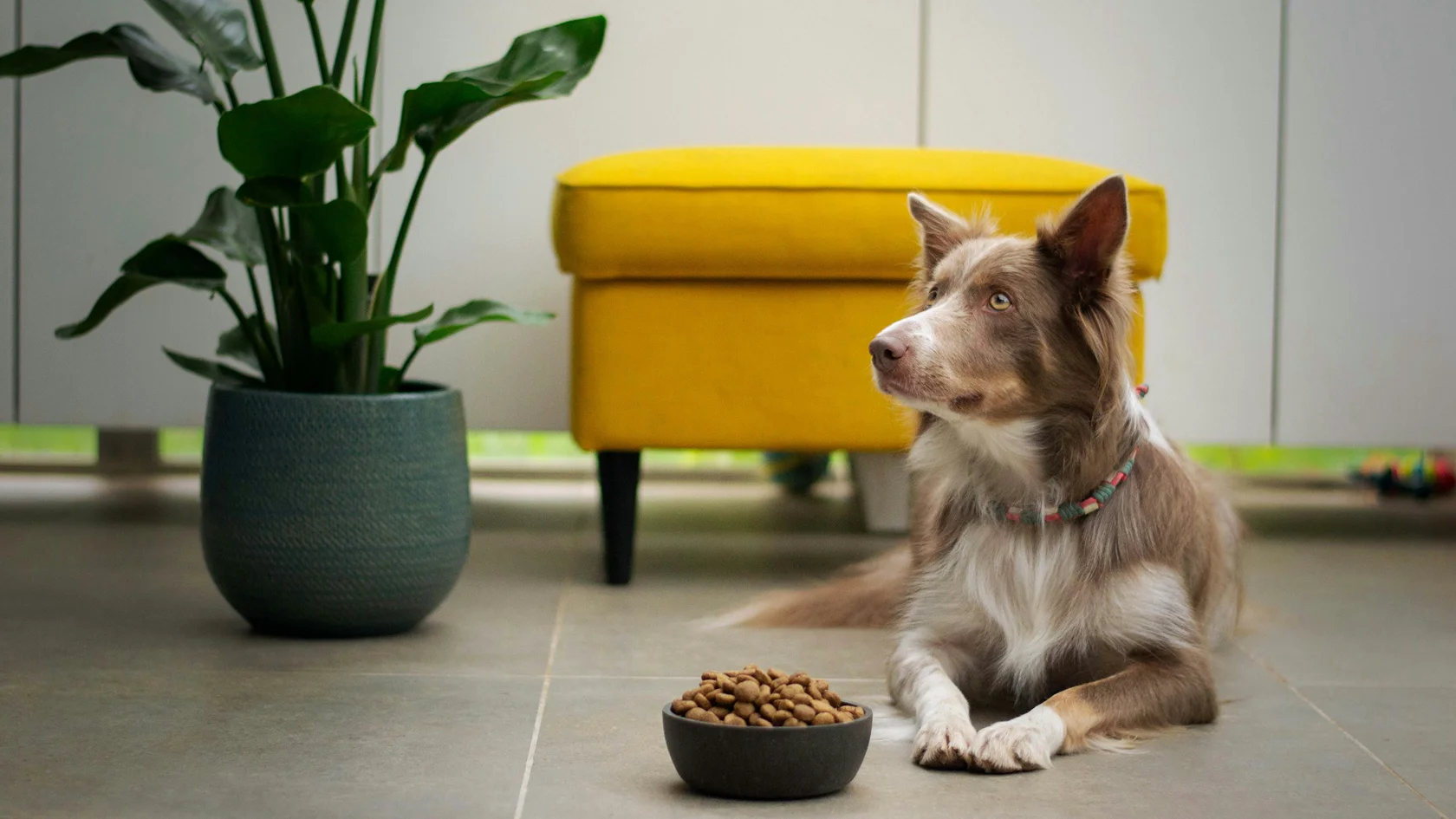

TL;DR: How Long Can a Dog Go Without Eating?
- Most dogs can miss a meal — but not for long: A healthy adult dog may go 3-5 days long without food, but puppies and senior dogs need much quicker attention and monitoring.
- Hydration matters most: Dogs tolerate missed meals better if they’re still drinking water. Keeping your dog hydrated helps reduce immediate health risks.
- Appetite loss has many causes: When a dog suddenly stops eating, it may be due to stress, dental discomfort, illness, medication effects, or simple food boredom — understanding the cause helps guide the right response.
- Know what’s normal vs. concerning: Occasional skipped meals happen, but ongoing refusal to eat can signal underlying health problems that shouldn’t be ignored.
- Watch for warning signs: Lethargy, vomiting, diarrhea, weight loss, pain, or behavioural changes mean it’s time to act quickly.
- Safe ways to help at home: You can safely help at home by warming up food, adding low-sodium broth, giving smaller meals, or making the feeding area calm.
- Early action protects your dog: If your pet hasn't eaten in 24 hours or shows signs of illness, it's best to take them to the vet to avoid problems.
Need guidance? Contact us for personalized advice and support. Early care helps your dog recover faster and stay happy, healthy, and well-nourished.
How long can a dog go without food before it becomes dangerous? It’s a question many pet owners ask when their dog is not eating. While some dogs may skip a meal without issue, others can decline quickly depending on age, health, and hydration status. Understanding what’s normal—and what’s not—can protect your dog’s health and prevent serious consequences.
In this blog, we’ll walk you through how long dogs can safely go without food, the warning signs to watch for, potential health risks, and what you should do to support your dog and know when it’s time to seek veterinary care.
Why Is My Dog Not Eating?
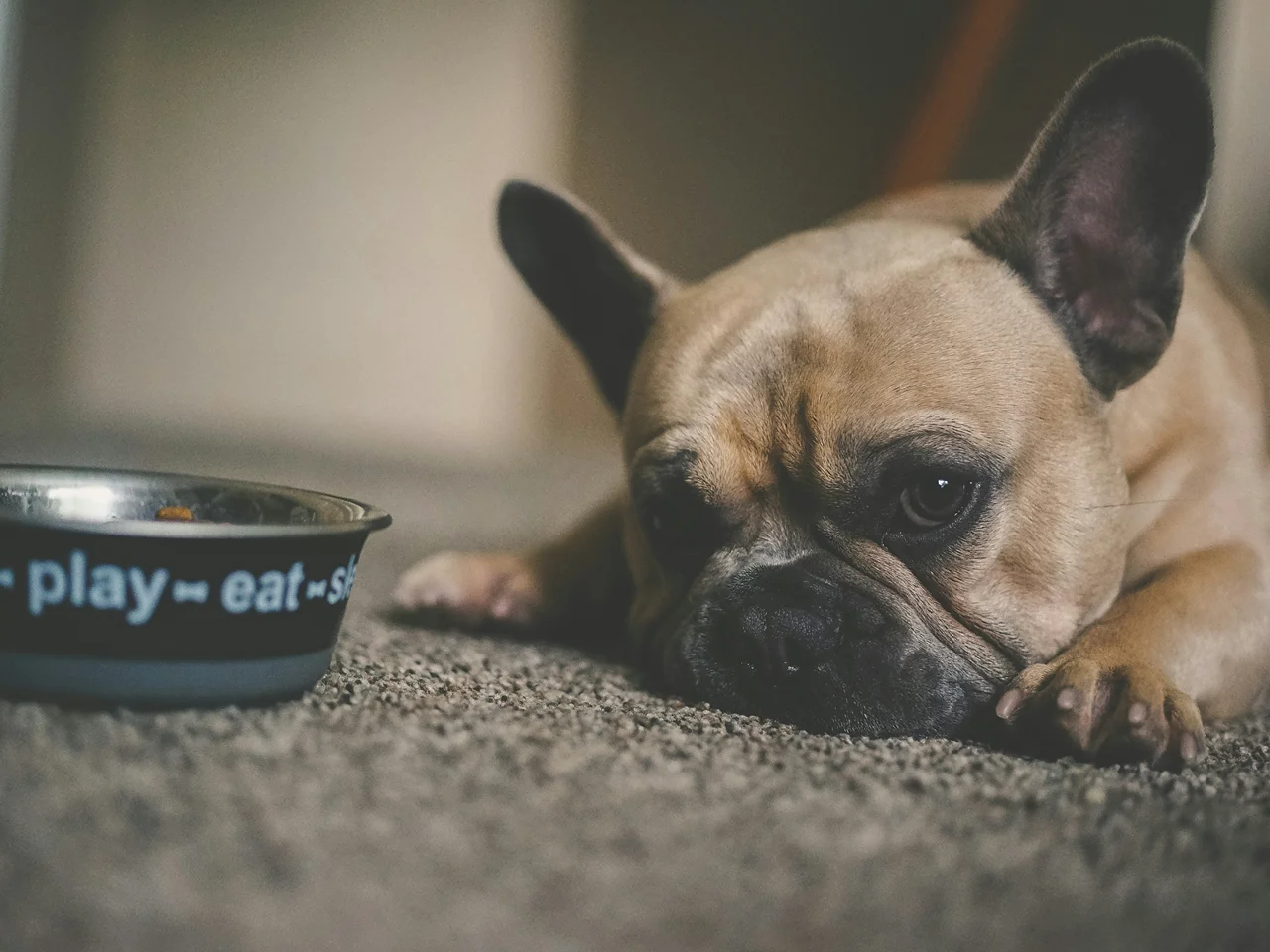
There are a number of reasons why your dog may suddenly ignore their food bowl, ranging from minor issues to more serious concerns. A brief loss of appetite can be normal, but if your dog isn’t eating for more than a day or two, it may point to an underlying problem that needs attention.
Illness or Pain
If your dog is sick, they may become completely uninterested in food or even avoid eating or drinking altogether. A sick dog may also show subtle signs of illness, such as lethargy, trembling, hiding, or restlessness, alongside the loss of appetite.
Dental Problems
Dental problems like broken teeth, infections, or inflamed gums can make chewing painful and discourage your dog from eating. If your dog refuses dry dog food but will still eat a bit of soft meals, oral discomfort is a likely cause.
Stress or Anxiety
Stressful situations can strongly affect your dog’s appetite, leading them to ignore their food bowl even when they’re normally eager to eat. Loud noises, separation, or emotional distress can cause a dog to become uninterested in food or develop behavioural loss of appetite.
Change in Environment
Environmental changes, including moving homes, boarding, or even small changes in routine, can disrupt your dog’s normal eating habits. Dogs that are sensitive to changes in routine may temporarily stop eating while they adjust to their surroundings.
Food Preferences
Some dogs lose interest in their usual dog food simply due to boredom or preference changes. Trying a different flavour or texture, or mixing in a small amount of wet food, can encourage them to eat without affecting their nutrition.
Medication Side Effects
Certain medications can cause nausea or digestive upset, which may lead to reduced eating or drinking. If your dog recently started medication and shows decreased appetite, this side effect may explain why your dog isn’t eating.
Age-Related Appetite Decline
Older dogs often lose their appetite because their metabolism slows down, they have dental problems, or they have long-term health problems. On the other hand, younger pups may skip meals while they are teething or getting used to a new feeding schedule. This can change the way they eat for a short time.
How Long Can Dogs Go Without Food?
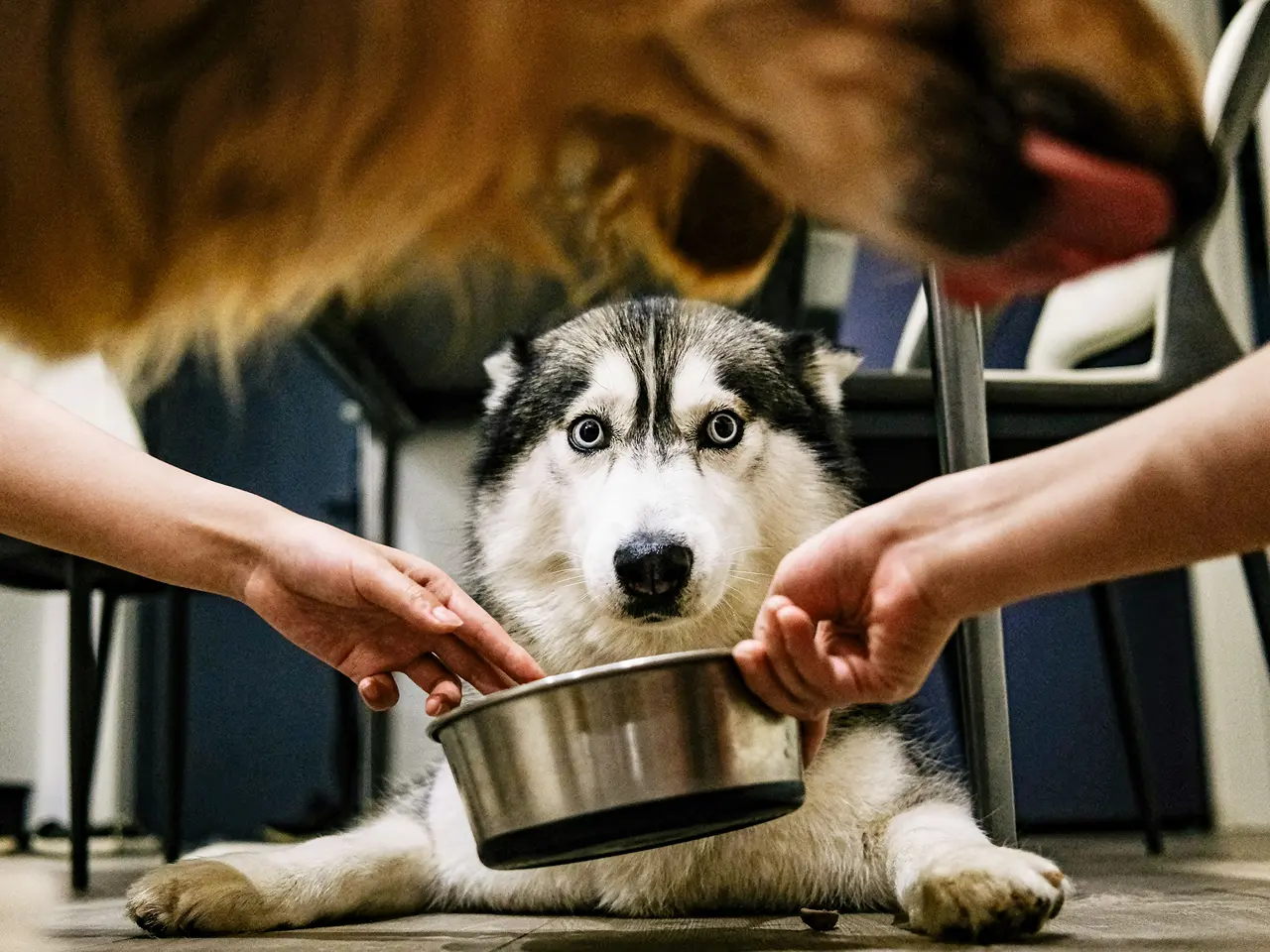
The answer depends on the dog's age, how well they are hydrated, and their overall health, so the time it takes can be different for each dog. Dogs can live without food for a short time, but safety and health should always come first.
- Healthy adults: If they are otherwise healthy and closely watched, adult dogs can go three to five days without eating. However, even if adult dogs can go this long, it’s not ideal and should never be ignored.
- Puppies: A puppy should not go more than 12–24 hours without food due to their high energy needs and limited reserves. Younger dogs are more vulnerable, and missing meals for even a short time can quickly affect their strength and blood sugar.
- Senior dogs: Most older dogs should not go more than 1–3 days without meals, as age-related conditions can make fasting riskier. Their bodies are less resilient, so a loss of appetite may signal a more serious issue.
A healthy dog can survive without food for several days, but how long a dog can go without food safely is very different from simple survival. During an extended period of time without eating, the body begins to break down reserves, which can weaken immunity and strain vital organs.
Water Is More Critical Than Food
Hydration is essential, and dogs can last longer days without food as long as they’re still drinking water. If they refuse water or show signs of dehydration like dry gums or lethargy, the situation becomes urgent very quickly.
Individual Health Factors Matter
A dog’s weight, body condition, and medical history all influence how well they handle days without food. Dogs that are underweight or dealing with illness may decline faster over an extended period of time without proper nutrition.
Common Reasons for Appetite Loss in Dogs

Beyond temporary pickiness, medical causes should always be considered when dogs don’t eat or show a sudden change in appetite. Identifying the underlying issue early helps prevent complications and supports faster recovery.
Gastrointestinal Upset
Gastrointestinal issues like an upset stomach, irritation, or inflammation can cause dogs to not eat or skip meals. More serious conditions, such as inflammatory bowel disease or stomach ulcers, may also be involved and often require veterinary care.
Infections or Fever
Viral or bacterial infections, including parvovirus, can cause a sudden loss of appetite along with lethargy and fever. These illnesses can progress quickly, so early attention is important.
Dental Disease or Broken Teeth
When dogs have infections or broken teeth, they may not want to eat because it hurts to chew. A lot of them won't eat hard kibble and will only eat softer foods.
Pickiness or Food Boredom
Some dogs don’t eat simply because they are bored with their usual meals or routine. Offering variety, such as adding chicken and rice or trying small portions of homemade meals, can help restore interest.
Kidney or Liver Disease
Long-term problems with the kidneys or liver can make you feel sick and lose your appetite. Dogs may feel sick and not want to eat when toxins build up in their bodies.
Parasites
Internal parasites can interfere with digestion and nutrient absorption, which may reduce appetite over time. Dogs may also show weight loss or changes in stool consistency.
Pancreatitis
Pancreatitis is a painful condition that can make a dog extremely nauseated and unwilling to eat. In more serious cases, if a dog has severe abdominal pain, they may refuse all food and require urgent care.
When to Seek Vet for Help
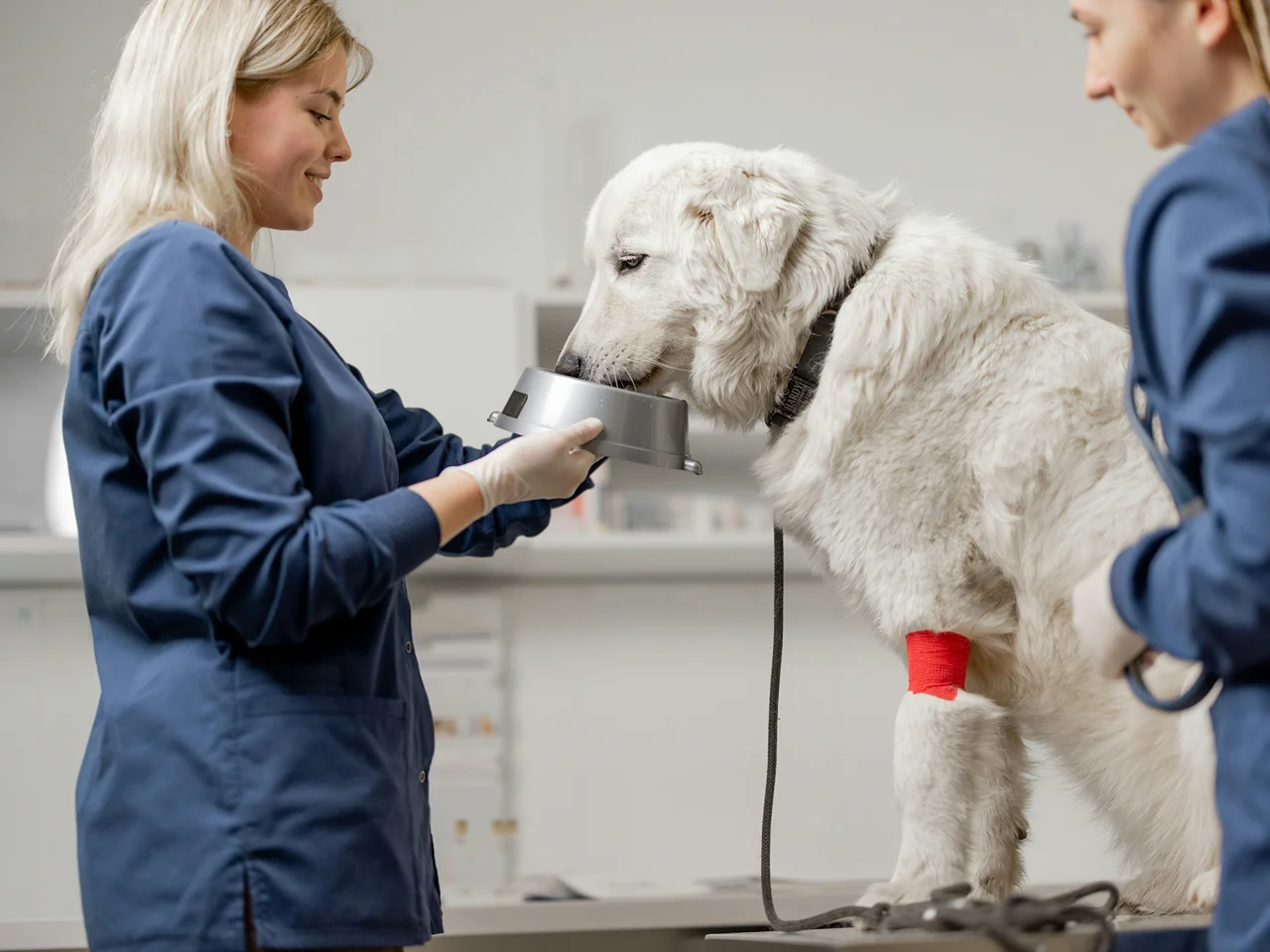
So, when should you worry about how many days without eating are too many? While short-term appetite loss can happen, certain warning signs mean it’s time to act quickly.
- No food for 24+ hours: If your dog seems unwilling to eat for more than a day, it could signal more than simple pickiness. Prolonged refusal often points to underlying health issues that need evaluation.
- Vomiting or diarrhea: If you keep throwing up or having diarrhea and lose your appetite, you can quickly become dehydrated. These signs could mean that you have an infection, toxins, or digestive issues.
- Lethargy or weakness: If you have low energy, sleep too much, or feel weak, and you don't eat, these are all signs that something is wrong. If your dog seems more tired than usual, it could be because they are sick.
- Visible pain or discomfort: Signs like whining, restlessness, or guarding certain areas suggest pain. When a dog seems uncomfortable, they are less likely to eat normally.
- Rapid weight loss: Noticeable weight loss over a short time is always concerning. It may indicate a serious condition affecting nutrition or metabolism.
- Behavioural changes: Sudden mood or behaviour shifts—such as aggression, withdrawal, or anxiety—can accompany illness. These changes, along with appetite loss, shouldn’t be ignored.
- Difficulty swallowing: Trouble swallowing or chewing may point to throat issues or dental disease. This can make eating painful or frustrating for your dog.
- Bloated or distended abdomen: A swollen abdomen can be a sign of serious conditions that may require an emergency vet. This is especially urgent if your dog seems restless or in pain.
If your dog seems seriously unwell, collapses, or shows severe symptoms, seek an emergency vet immediately. Always consult a vet, as a veterinarian may run tests or prescribe appetite stimulants to help your dog recover safely.
How to Encourage Your Dog to Eat Food Safely
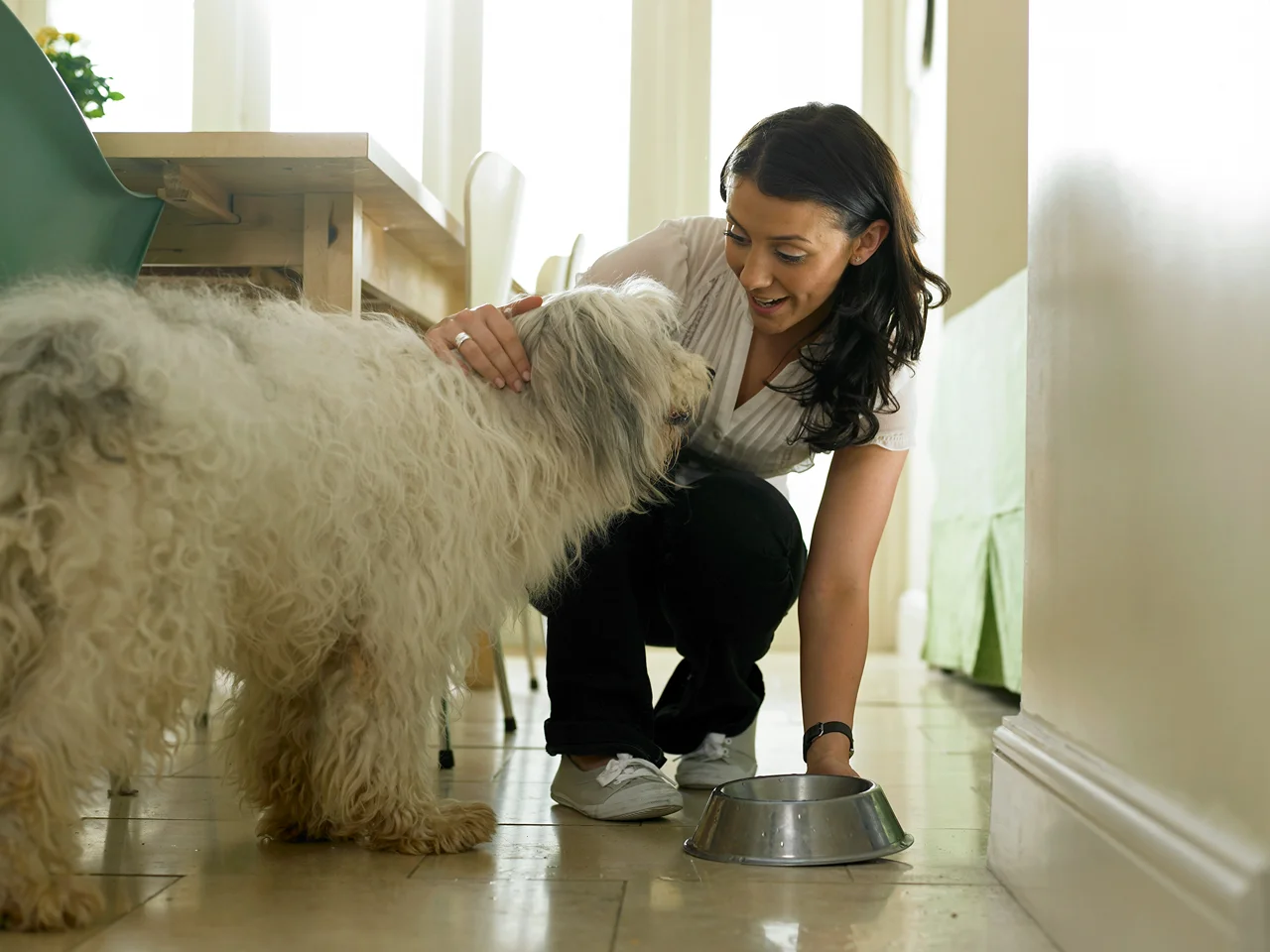
If your dog won’t eat but isn’t showing urgent warning signs, you can try gentle strategies to help restore appetite and support steady food intake. Small adjustments can make a dog feel more comfortable and willing to eat again.
- Warm the Food Slightly: Warming normal food enhances its smell, which can make a dog feel more interested in eating. This simple step often helps dogs who are hesitant but still capable of eating.
- Add Low-Sodium Broth: Adding a little low-sodium broth to kibble makes it taste better, feel better, and makes your dog eat more. It also helps keep meals interesting without throwing off the balance of nutrients.
- Give Small, Frequent Meals: Giving smaller meals throughout the day can be less overwhelming than a full bowl. This method encourages eating slowly and is easier on the stomach.
- Try Hand-Feeding: Hand-feeding can calm a dog down and make them less hesitant, especially if they are stressed or anxious and don't want to eat. They might start eating again if you give them more attention.
- Mix in Wet Food: Combining dry kibble with wet or canned food can make meals more enticing and easier to chew. The added moisture and flavour often help stimulate appetite.
- Create a Calm Feeding Environment: A quiet, low-stress space helps minimize stress and anxiety that may interfere with eating. Consistent feeding times also help your dog stay healthy and get the nutrients it needs.
These easy tips can help keep your dog's nutritional needs met while also encouraging them to eat again.
Final Thoughts
It's okay if your dog misses a meal, but if they refuse to eat for more than one day, make sure they stay hydrated. The risk is lower if they are still drinking water, but you should never ignore ongoing symptoms. Even a short period of reduced appetite can signal underlying issues, so it’s important to stay observant and proactive.
Understanding how long dogs can go without eating helps you respond calmly and appropriately. Acting early can prevent complications and support a quicker recovery. Trust your instincts—if something feels off, it’s better to check. When in doubt, always contact your vet to make sure your dog’s well-being and long-term health.
Frequently Asked Questions
How long can a dog go without food before it becomes dangerous?
Most dogs can miss meals briefly, but timelines vary based on age, health, and hydration.
Healthy Adult Timeline: A healthy adult dog can go without food for 3 to 5 days, but this should never be thought of as safe or good.
Puppy Vulnerability: Puppies need to eat every 12 to 24 hours because they need more energy and are more likely to have low blood sugar.
Limits for Senior Dogs: Older dogs are less able to handle stress, and going without food for just one to three days can quickly make them sick.
Hydration Makes a Difference: Dogs can tolerate missed meals better if they are still drinking water, as hydration helps reduce immediate risks.
When Survival Becomes Risky: Surviving without food is different from staying healthy, as prolonged fasting can weaken the body and immune system.
Why do dogs suddenly stop eating?
A sudden loss of appetite can have many causes, ranging from mild behavioural issues to serious health concerns.
Sick or Hurt: When dogs are sick or in pain, their bodies may naturally stop eating.
Dental Pain: Issues like swollen gums or broken teeth can make it painful to chew, which can make your dog not want to eat.
Stress and Anxiety: Loud noises or being apart from someone can make it hard to eat normally.
Changes in Routine: Moving homes or altering feeding schedules can temporarily confuse or unsettle dogs.
Food Preferences: Some dogs simply lose interest in their usual meals and may need variety to regain appetite.
What are the warning signs that not eating is serious?
Certain symptoms alongside appetite loss indicate that your dog may need immediate attention.
Low Energy or Lethargy: A tired or weak dog combined with appetite loss is often a sign of underlying illness.
Problems with digestion: Vomiting or diarrhea can quickly make your dog dehydrated and make things worse.
Weight Loss: If your dog loses a lot of weight quickly, it means your dog isn't getting enough nutrients.
Changes in Behaviour: Health problems can cause sudden anger, withdrawal, or anxiety.
Signs of pain: If your dog is whining, restless, or guarding certain areas, it could mean that it hurts too much for them to eat.
What health risks are linked to prolonged appetite loss in dogs?
If your dog doesn't eat for too long, it could have serious problems that might affect many parts of its body.
Nutritional Deficiencies: When the body doesn't get enough of the right foods, it starts to break down reserves, which makes health worse.
Organ Strain: Not eating for a long time can stress important organs like the liver and kidneys.
Weakened Immunity: Eating poorly makes it harder for the body to fight infections and heal.
Digestive Imbalance: Eating at odd times can throw off the normal function of the gut and cause more problems.
Clinical Conditions: In severe cases, prolonged refusal to eat may resemble anorexia in dogs, requiring vet care.
What can you do at home to safely encourage your dog to eat?
Simple, gentle strategies can help restore appetite when no urgent symptoms are present.
Warm the Meal: Heating food a little bit can make it smell better and can encourage your dog to lower resistance to eating.
Add Flavour Boosters: Adding broth or soft food also makes them taste and feel better, which makes them more appealing.
Serve Smaller Portions: Giving small, regular meals can help your dog eat less at once and feel less overwhelmed.
Reduce Stress at Mealtime: Dogs are more likely to eat when they feel safe and calm while they are eating.
Try Gentle Interaction: Hand-feeding or giving them different foods can get them interested again while making sure they get the right amount of food.

