


TL;DR: What You Need to Know About Bee Stings in Dogs
- Most bee stings are mild: If your dog is stung or ate a bee while playing outside, they'll usually experience temporary pain, redness, and swelling that can be managed with prompt first aid and close monitoring.
- Know the common signs: Yelping, pawing at the sting site, localized swelling, excessive licking, and drooling (if stung around the mouth) are all common symptoms.
- Act quickly with first aid: Scrape out the stinger with a credit card or fingernail, apply a cold compress, and only give an antihistamine if your veterinarian has approved the correct dosage.
- Watch for emergency symptoms: Swelling of the face or throat, difficulty breathing, vomiting, pale gums, weakness or collapse may indicate a severe allergic reaction requiring immediate veterinary attention.
- Know when to call the vet: Seek veterinary attention right away if your dog has multiple stings, is stung inside the mouth or throat, develops breathing difficulties, or symptoms worsen instead of improving.
- Prevention is the best protection: Avoid areas with heavy bee activity, check your yard for nests, supervise outdoor play, and teach a reliable "leave it" command to reduce the risk of future stings.
Think your dog is having a severe reaction? Contact us. Fast treatment can be lifesaving if your dog develops signs of an allergic reaction or difficulty breathing.
Is your dog the type to chase anything that moves through the yard? You've probably wondered what happens if that curiosity leads them straight to a bee. It can be scary when a dog gets stung by a bee — especially when you're not sure what to look for or what to do next. Most dogs stung by bees recover quickly with the right care at home.
But in some cases, a sting can trigger a dangerous anaphylactic response that requires fast action. This guide will take you through everything you need to know, from spotting the early signs to when to call the vet right away.
Signs and Symptoms Your Dog Has Been Stung by a Bee or Wasp
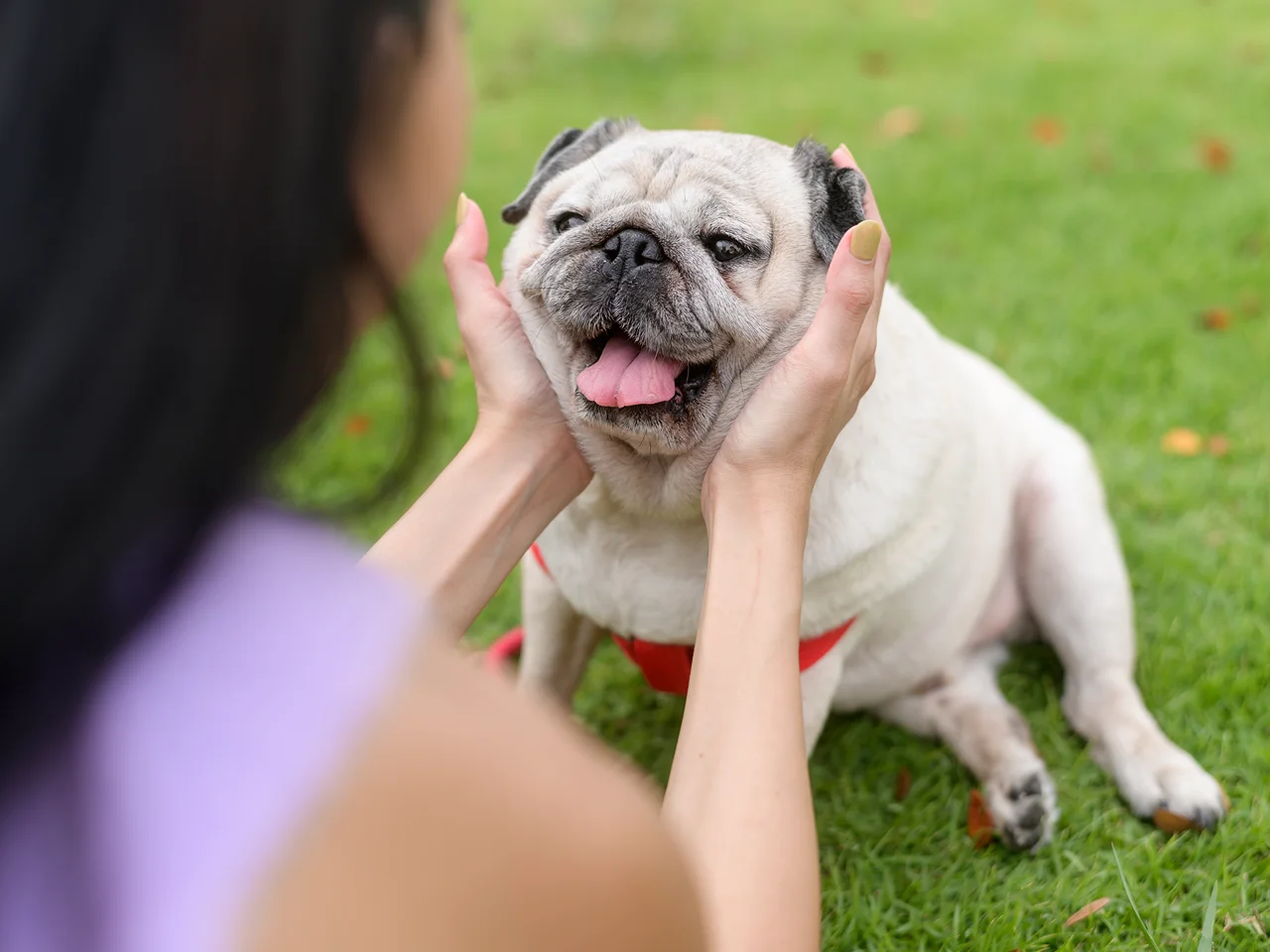
Dogs can't tell you when something hurts, so you'll need to watch for behavioural and physical clues. After a bee or wasp encounter, symptoms often appear within minutes.
Sudden Yelping or Whining
A cry right after being outside is usually the first indicator. Pain from venom entering the skin is immediate, and your dog will likely react in the moment it happens.
Pawing at Face or Body
If your dog is pawing at their face, neck or another area of their body repeatedly, it could be a reaction to the sting site. This is how they try to relieve the discomfort of the affected area.
Localized Swelling or Redness
It is common to see some swelling around the sting and is a sign that your dog’s immune system is reacting to the venom. You’ll see redness at the location of the sting, most noticeably in areas that have less fur, such as on the muzzle or the paw.
Raised Bump at Sting Site
A small, firm lump at the point of contact is a sign. The stinger may still be embedded, especially if your dog was stung by a honeybee, which leaves the venom sac behind in the skin.
Excessive Licking or Biting at The Area
Dogs instinctively try to soothe pain by licking. If they're fixated on one spot and won't leave it alone, that area likely took the sting.
Drooling or Pawing at Mouth
If your dog was stung inside the mouth or around the muzzle, you may notice extra drooling or frantic pawing at their face. Stings to this area should be watched closely, as swelling near the mouth or throat can affect breathing.
First Aid Tips and What to Do if Your Dog Is Stung by a Bee
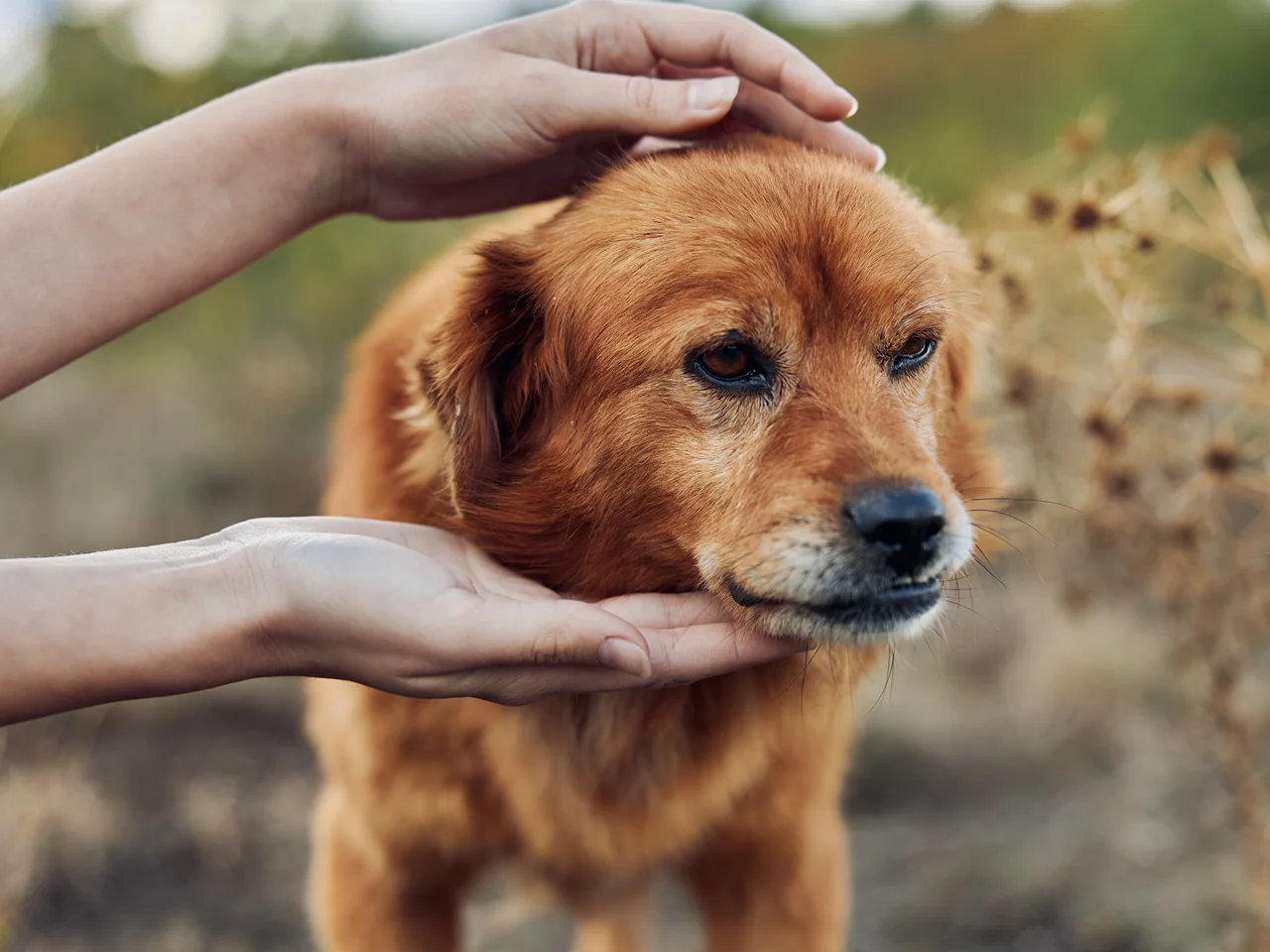
Staying calm is your first job — then follow these steps to help your dog through the initial discomfort. Acting quickly and correctly in the first minutes after the sting can ease pain and reduce the risk of complications.
- Use a credit card to scrape the stinger: Scrape out the stinger using a stiff card — a credit card or your fingernail works well. Remove the stinger with a sideways scraping motion rather than pinching.
- Don't use tweezers: It might seem like the natural tool to grab, but using a tweezer can actually squeeze the sac and push more poison into your dog's body.
- Apply a cold compress: Once the stinger is out, apply an ice pack or cold compress to the affected area to help with pain and minimize swelling. Applying ice directly can cause tissue damage, so always use a barrier.
- Try a baking soda paste to reduce swelling: Mix with a little water to make a paste and put it on the sting site. This can neutralize the venom and reduce the swelling, especially following a bee sting from a honeybee.
- Give your dog an antihistamine (with vet approval): If your dog is experiencing mild allergic reactions, an antihistamine such as Benadryl may help. Always consult your vet first, and be sure to get the correct dosage. The correct amount for your dog depends on his weight and health history, so don't guess.
- Keep an eye on your dog, stay calm and still: Movement can increase circulation and spread the venom faster. Keep your dog quiet and comfortable, and watch for any changes in the first 30 minutes.
It's also a good idea to keep a pet emergency kit at home with essentials like cold packs and antihistamines so you're prepared for situations like this.
Signs of Allergic Reactions in Dogs

While most dogs who have been stung deal with nothing more than temporary swelling, some dogs may have a stronger immune response. A severe allergic reaction — or worse, anaphylactic shock — can develop rapidly and is life-threatening without immediate care.
- Facial or throat swelling: Rapid swelling around the face, eyes, or neck is a serious red flag. If it's spreading toward the airway, your dog's ability to breathe can become compromised very quickly.
- Hives across the body: Raised, patchy welts across the coat signal that your dog's body is having a widespread reaction to a bee sting. Hives are one of the more visible signs of an allergic reaction in dogs.
- Vomiting or : An anaphylactic reaction can trigger a sudden gastrointestinal response. If your dog shows signs of an allergic reaction paired with stomach upset shortly after a sting, take it seriously.
- Difficulty breathing: This is one of the most critical symptoms. A compromised airway from swelling can make breathing laboured or noisy. This alone warrants a call to the vet immediately.
- Pale gums: Check the colour of your dog's gums. Pale, white, or bluish gums indicate that your dog is in distress and may be going into anaphylactic shock.
- Sudden collapse or weakness: If your dog suddenly loses strength or collapses, this is a full emergency. An anaphylactic event can cause a rapid drop in blood pressure, and your dog needs medical intervention immediately.
When to Call a Vet for Help
Some situations are beyond home care — and knowing when to pick up the phone can save your dog's life. Contact your vet right away if any of these apply:
Multiple Stings at Once
When a dog is stung multiple times, the cumulative dose of venom is significantly higher. Dogs stung by bees or wasps in large numbers are at a much greater risk of a severe reaction, even if they've never had an allergic reaction to a bee before.
Sting Inside Mouth or Throat
A dog stung in their mouth or throat faces a unique danger. Swelling in this area can close off the airway, and this should be treated as an emergency regardless of other symptoms.
Breathing Difficulties Present
Any sign of laboured breathing or a strange sound when your dog inhales after a sting is a reason to contact your vet immediately — don't wait to see if it improves on its own.
Symptoms Worsen After 30 Minutes
Mild symptoms that escalate rather than settle down after 30 minutes suggest your dog might have an allergic reaction that's progressing. This is especially true for both wasp and bee stings; wasp venom does not leave a stinger behind, and these scenarios can sometimes be harder to detect initially.
Collapse or Loss of Consciousness
This is the most urgent situation. If your dog collapses, loses consciousness, or becomes completely unresponsive within 10 minutes of a sting, this is a life-threatening anaphylactic event. Get to an emergency clinic without delay — call ahead so they can prepare to help your dog the moment you arrive.
How to Prevent Bee or Wasp Stings in Dogs

The easiest reaction to a sting to manage is the one that never happens. A few simple habits can go a long way in protecting curious dogs from wasp or bee stings.
- Avoid walks through flowering areas: Gardens, meadows, and wildflower patches are prime foraging zones for bees. During peak season, avoid heavy bloom areas by rerouting your route to reduce the chance of an unexpected encounter and to help keep your dog safe.
- Keep the yard free of hives: Inspect fencing, eaves, and trees regularly for nests. Nests especially can be difficult to spot until they're large. If you find one, contact a professional exterminator rather than attempting removal yourself.
- Supervise outdoor playtime: Watch your dog when they are outside, especially in warm months when bee activity is at its peak. Loose dogs are far more likely to nose through flowers or disturb ground nests.
- Walk during low-bee hours: Bees are most active during midday when temperatures peak. Early morning or evening walks reduce your dog's exposure.
- Train the "leave it" command: Teaching your dog to go away from insects on command is one of the most practical preventive tools you have. A reliable "leave it" response can stop your dog from snapping at a bee mid-flight.
Final Thoughts
Getting stung by bees is an unfortunately common part of outdoor life with dogs. Most stings fortunately result in mild pain, redness and swelling that resolve with simple first aid and careful observation at home. The trick is to know the difference between a normal reaction and a warning sign of a severe allergic reaction such as swelling of the face, difficulty breathing or collapse.
If your dog is showing severe symptoms, or if you are ever unsure about their condition, call your veterinarian immediately. Quick action can be the key to helping your dog recover quickly and safely and to avoid life-threatening complications.
Frequently Asked Questions
Can I give my dog antihistamines?
Yes, but they should only be used with your veterinarian's guidance to ensure they're safe and appropriately dosed for your dog.
Vet Approval Comes First: Never give any medication without confirming it's appropriate for your dog's age, weight, and medical history.
Correct Dosage Matters: The proper amount differs from dog to dog, so don’t guess or follow human dose instructions.
Best for Mild Reactions: Antihistamines may help to decrease mild swelling or itching, but they are not a substitute for emergency treatment.
Watch for Changes: Continue monitoring your dog after giving medication to make sure symptoms improve rather than worsen.
Seek Emergency Care if Needed: If breathing problems, collapse, or severe swelling develop, contact a vet immediately instead of relying on medication.
What should I watch for after a bee and wasp sting?
Most dogs experience mild discomfort, but knowing which symptoms are normal and which are emergencies helps you respond appropriately.
Pain and Vocalization: A sudden yelp or whining often happens immediately after the sting due to the sharp pain.
Local reactions: Common local reactions include redness, swelling or a raised bump around the affected area.
Repeated Pawing or Licking: Dogs tend to hone in on the sore spot by licking, chewing, or scratching it.
Mouth and Facial Symptoms: Excessive drooling or pawing at the face may suggest the sting occurred around the mouth.
Monitor the First 30 Minutes: Keep a close eye on your dog, as more serious reactions usually appear shortly after the sting.
What are the signs of anaphylactic reactions in dogs?
A severe allergic reaction is uncommon but requires urgent medical treatment, because it can become life-threatening within minutes.
Rapid Facial Swelling: Swelling around the muzzle, eyes, or throat can interfere with normal breathing.
Breathing Problems: Noisy, difficult, or laboured breathing should always be treated as an emergency.
Digestive Upset: Sudden vomiting or diarrhea after a sting may indicate a widespread allergic response.
Changes in Gum Colour: Pale, white, or bluish gums suggest poor circulation and require urgent care.
Weakness or Collapse: If your dog becomes unsteady, collapses, or loses consciousness, seek emergency veterinary treatment immediately.
When should I seek veterinary care after a dog is stung?
Although many stings improve with home care, certain situations require prompt professional treatment.
Multiple Stings: Several stings increase the amount of venom and the risk of serious complications.
Mouth or Throat Stings: Swelling in these areas can quickly obstruct the airway.
Symptoms Get Worse: If swelling, pain, or other signs continue to progress instead of improving, have your dog examined.
Breathing Is Affected: Any breathing difficulty should be evaluated without delay.
Persistent Concern: If you're unsure whether your dog's reaction is normal, it's always safest to contact your veterinary team for advice.
What is the best first aid for dogs bee sting at home?
Quick, calm action can help reduce discomfort while you monitor your dog for signs of a more serious reaction.
Remove the Stinger Carefully: Use a stiff card or your fingernail to scrape it out sideways rather than squeezing it.
Cool the Area: Apply a wrapped cold compress to help ease pain and limit swelling.
Use a Baking Soda Paste: A simple paste may help soothe the sting site after a honeybee sting.
Keep Your Dog Calm: Encourage your dog to rest quietly to avoid increasing circulation around the sting.
Observe Closely: Continue checking your dog over the next 30 minutes and seek veterinary care if concerning symptoms develop.

