


TL;DR: Cat Pregnancy Ultrasound – How It Works and Fetal Care Tips
- A cat pregnancy ultrasound is a gentle, stress-free way to confirm if your queen is pregnant and keep an eye on her kittens’ health.
- Using sound waves, veterinarians can visualize the uterus, gestational sacs, fetal membranes, and even the tiny flicker of a fetal heart to estimate gestational age and litter size.
- Ultrasounds can spot potential issues early, like resorption, cysts, or placental problems, while also checking the queen’s internal organs to make sure she’s healthy.
- Regular scans throughout early, mid, and late pregnancy help monitor development, reduce risks, and prepare for a smoother, safer delivery.
- At home, providing a calm ventral resting space, nutritious meals, gentle activity, and keeping an eye on appetite or urinary habits can support both mother and kittens.
- These simple steps, combined with regular veterinary check-ups, help ensure your cat’s pregnancy goes smoothly and give you peace of mind along the way.
If your cat might be expecting or you want to support her pregnancy with expert care, contact us today. Our experienced vets are here to guide you through ultrasounds, fetal monitoring, and every step of your cat’s journey to motherhood—it’s a special experience you won’t want to miss.
Have you ever wondered how a veterinarian can tell if your cat is pregnant or how far along she might be? With a simple abdominal ultrasound, this gentle and non-invasive imaging technique uses sound waves to peek inside the feline uterus. It’s often the first exciting step in confirming an early pregnancy and ensuring the mother's health.
As the gestation continues, the ultrasound allows you and your veterinarian to actually see the tiny fetuses, their gestational sacs, and even the flutter of a fetal heart. Watching those first movements on the screen can be a heartwarming experience for any pet owner. It also gives the veterinarian a clear look at the uterine health and helps ensure everything is on track for a smooth parturition.
Understanding how ultrasound for cats works can make this special journey feel even more meaningful. From the first pregnancy diagnosis to the final days before birth, it’s a reassuring way to stay connected to your cat’s growing family—read on to learn more.
How an Ultrasound Scan Confirms a Cat Is Pregnant

When your cat is expecting, one of the first things your veterinarian will do is perform an ultrasound to confirm the pregnancy. In veterinary medicine, this gentle and non-invasive imaging technique uses sound waves to visualize the uterine horn, gestational sacs, and fetal membranes inside the abdomen. It’s a simple, stress-free way to monitor feline pregnancy and give you peace of mind about your cat’s health.
Here’s how an ultrasound scan helps confirm feline pregnancy:
- Detection of gestational sacs – Around 15 to 17 days of pregnancy, ultrasound images may show small fluid-filled vesicles in the uterine horn, confirming early pregnancy soon after ovulation.
- Observation of fetal structures – As the days of gestation progress, the ultrasound appearance reveals the developing placenta, fetal membranes, and even the gentle flicker of a fetal heart, confirming that the kittens are viable.
- Assessment of uterine health – The scan helps the vet look for any issues such as cysts, resorption, or pyometra, ensuring the uterus is healthy and ready to support the growing litter.
- Determination of gestational age – By measuring the gestational sac diameter, fetal head diameter, or biparietal body diameter, the veterinarian can estimate how many days before parturition remain and track fetal growth accurately.
An abdominal ultrasound at your local animal hospital offers a comforting glimpse into your cat’s journey to motherhood. It gives both you and your vet valuable ultrasonographic information about fetal viability and uterine health, helping guide your cat safely through every stage of pregnancy.
The Role of Ultrasound for Cats in Early Pregnancy Diagnosis
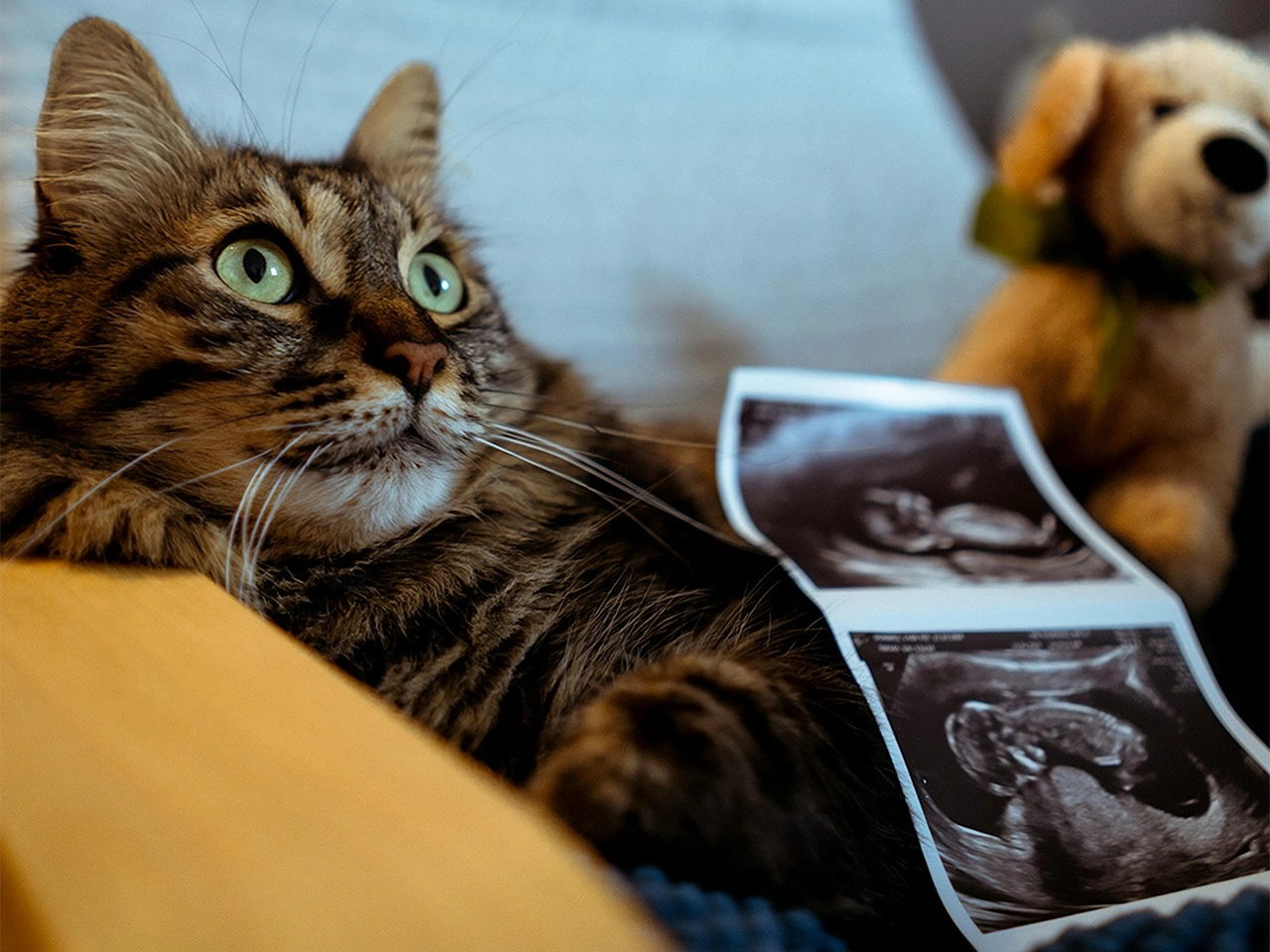
If you think your cat might be pregnant, an ultrasound scan is one of the most accurate and gentle ways to find out. This simple, non-invasive procedure lets your veterinarian see inside her abdomen and monitor the developing kittens. Using ultrasound equipment designed for small animals, the vet can safely observe the uterus, fetal membranes, and tiny embryos from the early stages of gestation through late pregnancy.
Preparation Before the Ultrasound Scan
Before the scan begins, your veterinarian will make sure your cat is comfortable and ready.
- You may be asked to let your cat urinate first so her urinary bladder doesn’t block the view.
- The ventral side of her abdomen (the underside) will be shaved to help the probe make smooth contact with the skin.
- Most cats don’t need sedation, but if yours is anxious, a mild one may be used to keep her calm.
- The scan is performed in an animal hospital using advanced ultrasound machines made for small animals.
Performing the Ultrasound
Once your cat is settled, the veterinarian begins scanning her abdomen with a handheld probe connected to the ultrasound machine.
- The probe is gently moved cranially and caudally in transverse views to locate the uterus and developing fetuses.
- The ultrasound appearance shows fetal membranes and embryonic vesicles during the early stages of gestation.
- Measurements such as CRL (crown-rump length) help estimate the days of gestation and possible litter size.
- It’s a heartwarming moment when the vet confirms the presence of tiny heartbeats, a clear sign of life.
Interpreting the Ultrasound During the Procedure
While the scan is ongoing, the veterinarian evaluates what appears on the screen in real time.
- The placenta, uterine horns, and fetal membranes throughout an accurately timed pregnancy are checked for healthy development.
- The head diameter and CRL help with the estimation of fetal age and proper growth.
- The fetal heart is examined to confirm normal rhythm and viability later in gestation.
- In some cases, images may be sent to a veterinary radiologist for a second opinion or detailed analysis.
Assessing Fetal Health, Viability, and Development Using Ultrasound
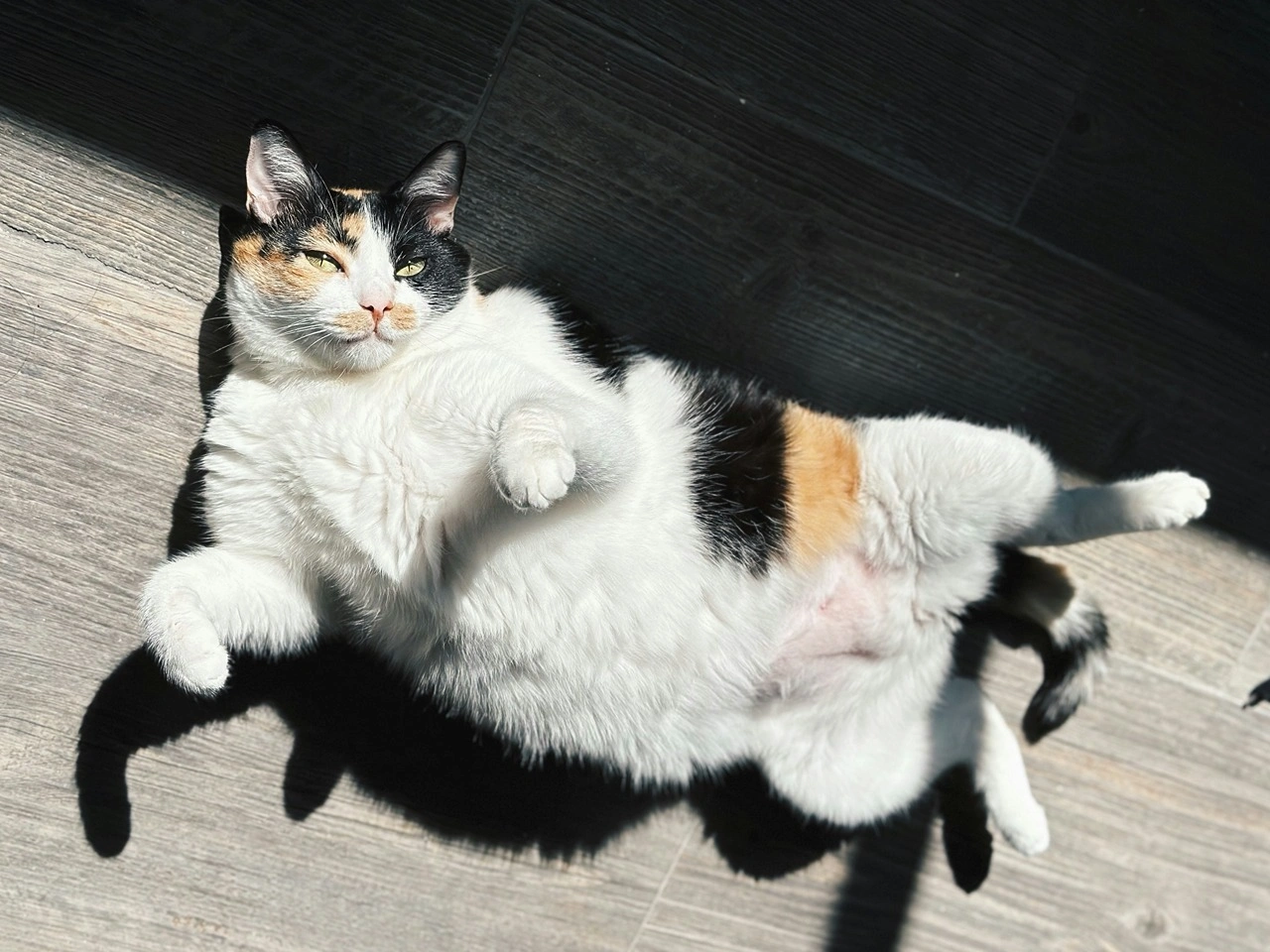
Ultrasound is a gentle and reliable way to check on the health of kittens during a cat’s pregnancy. It allows veterinarians to see fetal membranes throughout an accurately timed pregnancy and confirm that each fetus is alive and developing properly.
Diagnosis and Fetal Viability
- Pregnancy is confirmed when fetal membranes throughout an accurately timed pregnancy are clearly visible on the scan.
- On certain days of gestation, the veterinarian can examine the heart to make sure it is beating steadily, which shows that the fetus is viable.
- Unlike radiography, ultrasound gives a detailed view of internal organs without exposing the cat to radiation.
- Research on accurately timed pregnancy in beagles provides trusted benchmarks for fetal evaluation in small animals.
Monitoring Fetal Development
- During the scan, the area to be examined is positioned caudal to the urinary bladder for the clearest view of the uterus.
- The veterinarian can check fetal position, growth, and the development of internal organs as the pregnancy progresses.
- The initial rise in progesterone marks the early stages of development, making this the perfect time for careful ultrasonographic monitoring.
- Regular scans help detect any issues early and ensure the fetuses continue developing normally.
Benefits of Regular Ultrasound Scans for Pregnant Cats and Their Kittens
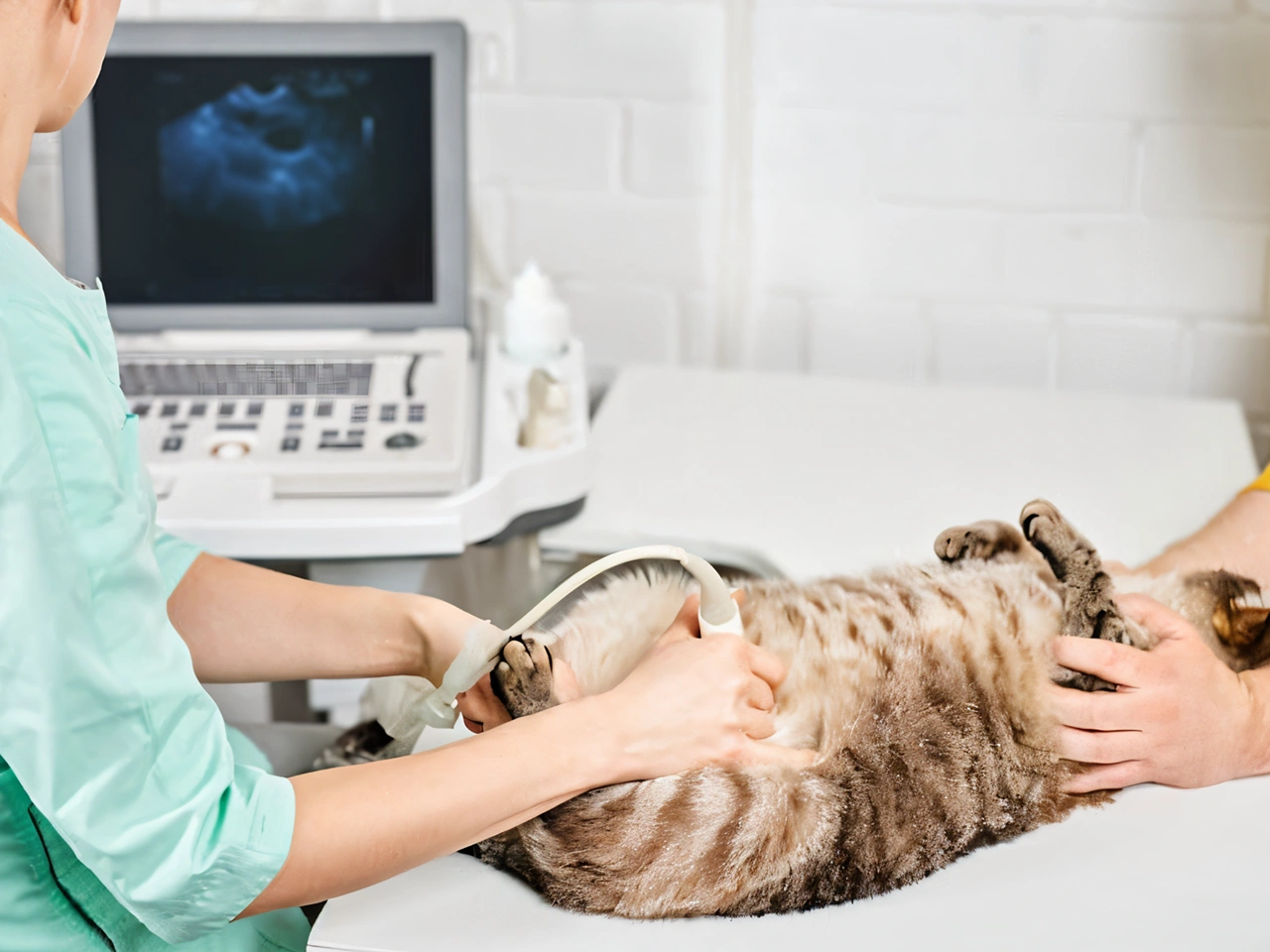
Regular ultrasound scans are a wonderful way to keep both the queen and her kittens safe and healthy throughout pregnancy. They let veterinarians check fetal development, monitor fetal membranes throughout an accurately timed pregnancy, catch potential problems early, and give owners peace of mind.
Early and Accurate Pregnancy Diagnosis
Ultrasound can confirm pregnancy even before you notice any signs. Knowing early allows the veterinarian to plan care for the queen and her kittens from the very beginning.
Monitoring Fetal Viability
The ultrasound scan lets veterinarians see the fetal heart and internal organs, confirming that each kitten is alive and developing well. Watching those tiny hearts beat is always reassuring for owners.
Tracking Fetal Growth
Measurements like CRL (crown–rump length) and head diameter help estimate days of gestation and litter size. It’s amazing to see how quickly kittens grow from week to week.
Assessing Fetal Membranes
Ultrasound shows fetal membranes throughout an accurately timed pregnancy, helping catch any resorption or abnormalities early. This way, small issues don’t turn into big surprises later.
Detecting Complications Early
Scans can identify problems like cysts, abnormal development, or placental issues. Early detection means the vet can act quickly to keep both the mother cat and kittens safe.
Monitoring the Queen’s Internal Organs
Ultrasound isn’t just for the kittens—vets also check the mother’s internal organs. A healthy queen means a safer pregnancy and a smoother delivery.
Reducing Risks During Gestation
Regular scans keep an eye on the pregnancy as it progresses, helping prevent complications in late pregnancy. It’s like performing a safety check at every vital stage.
Preparing for Parturition
Ultrasound helps the vet see fetal positioning and development, so delivery can be planned safely. It’s comforting to see the kittens are in the right position when the big day arrives.
Guiding Timing of Follow-Up Scans
Vets can schedule scans at key points during early, mid, and late pregnancy. This ensures all kittens are monitored closely and nothing is missed.
Non-Invasive and Safe
Unlike radiography, ultrasound is completely safe and doesn’t expose the queen or kittens to radiation. It’s a gentle way to see inside without causing stress.
Peace of Mind for Owners and Veterinarians
Watching the kittens move and seeing everything developing normally is always reassuring. Regular monitoring makes the whole pregnancy experience less stressful and more exciting.
Essential Fetal Care Tips for Pregnant Cats

Pregnancy is an exciting time for both the queen and her owner. With a little care and attention, you can help your cat stay healthy and give her kittens the best start in life.
Provide a Calm and Comfortable Space
Give your cat a quiet, ventral area where she can rest safely without stress. A peaceful environment supports both the queen and the developing kittens.
Feed a Nutritious Diet
Balanced meals formulated for pregnant queens help support fetal membranes throughout an accurately timed pregnancy. Proper nutrition ensures healthy development for the kittens.
Monitor Fetal Growth and Litter Size
Regular ultrasounds allow veterinarians to track fetal membranes, estimate days of gestation, and confirm that all kittens are developing well. Monitoring growth helps detect issues early.
Keep Up with Veterinary Check-Ups
Periodic scans let the veterinarian examine the heart, internal organs, and overall fetal viability. This ensures the pregnancy progresses safely and any problems are addressed promptly.
Encourage Gentle Activity
Light movement helps maintain the queen’s health without putting pressure on the fetuses. Gentle play or walking around can improve circulation and reduce stress.
Avoid Harmful Substances
Keep medications, toxins, and stressful environments away from your cat. Protecting her from hazards supports a safe and healthy pregnancy.
Prepare for Parturition
Set up a warm, clean space for delivery and, if needed, use ultrasound guidance to check fetal positioning. Being prepared helps the queen have a smoother, safer parturition.
Observe Behaviour and Health
Watch for changes in appetite, energy, or urination patterns, and contact your veterinarian if anything seems unusual. Early attention to concerns ensures both mother and kittens stay healthy.
Final Thoughts
Abdominal ultrasound is a gentle, non-invasive way to check if a cat is pregnant and to see how her kittens are developing. Using this imaging technique, veterinarians can visualize the uterus, fetal membranes, and even the tiny flicker of a fetal heart.
It’s fascinating to watch the kittens’ growth on the screen and know they are safe inside their mother. Ultrasound also gives important information about the queen’s internal organs and overall uterine health, helping guide care throughout pregnancy.
Regular scans can catch any potential complications early and confirm that each kitten is viable. With careful monitoring and attention to fetal care, the queen and her kittens can enjoy a healthy, supported journey all the way to parturition.
Frequently Asked Questions
How is veterinary ultrasonography used to confirm if a cat is pregnant?
Veterinary ultrasonography is a gentle, non-invasive way to peek inside your cat’s abdomen and see if she’s expecting kittens.
Early detection: Around 15–17 days after ovulation, the ultrasound can reveal tiny gestational sacs and fetal membranes.
Estimating litter size: By measuring crown-rump length (CRL) or head diameter, the vet can guess how many kittens might be on the way.
Peace of mind: Seeing those first signs of pregnancy is always exciting and helps plan proper fetal care from the start.
What happens during an ultrasound scan of a pregnant cat’s abdomen?
During the scan, sound waves create real-time images of your cat’s uterus and developing kittens.
Getting ready: The vet may shave the ventral abdomen for better contact and sometimes use mild sedation if your cat is nervous.
Scanning: The probe moves cranially and caudally to examine the uterine horns, fetal membranes, and nearby internal organs.
Measurements and monitoring: CRL and head diameter track growth, while the vet can also check the fetal heart to confirm viability.
Tracking progress: Seeing development at different stages is reassuring for both you and your vet.
Can the ultrasound also show the bladder and kidney while checking for pregnancy?
Yes! While focusing on the uterus, ultrasound often captures nearby organs like the urinary bladder and kidneys.
Bladder view: Letting your cat urinate first ensures the bladder doesn’t block the image.
Kidney check: Vets can spot any abnormalities, which helps ensure a healthy pregnancy.
Overall health: Monitoring these organs alongside the fetuses gives a full picture of your cat’s well-being.
How early in gestation can ultrasonography detect fetal movement and heartbeat?
Ultrasound can reveal tiny movements and heartbeats surprisingly early in pregnancy.
Timing: Usually around 15–17 days of gestation, you may see the faint flicker of a fetal heart.
Confirming viability: This early heartbeat shows that the kittens are alive and developing properly.
Owner experience: Watching those first tiny heartbeats is always an emotional and heartwarming moment.
Why do veterinarians recommend routine ultrasound scans during feline pregnancy?
Routine ultrasounds keep both the queen and her kittens safe and healthy throughout pregnancy.
Track growth: Vets can monitor fetal membranes, CRL, and head diameter to ensure the kittens are developing normally.
Spot problems early: Issues like cysts, resorption, or placental complications can be addressed before they become serious.
Queen’s health: Scans also check internal organs to make sure the mother stays strong.
Peace of mind: Regular monitoring reassures owners and helps plan for a smooth and safe parturition.

