


TL;DR: What You Need to Know Before Giving Your Dog Plums
- Plum flesh can be safe: Yes, dogs can eat plums occasionally, as long as they only eat the flesh in small amounts and the pit is removed completely.
- Not all parts are safe: While the flesh is generally okay, the pit, stems, and leaves are toxic and can cause serious health problems, including poisoning.
- Moderation is key: Plums contain natural sugars, so feeding too much may upset digestion and lead to weight gain, especially in smaller dogs.
- Safety first: If you do give your dog any, always remove the pit, wash the fruit well and cut it into small pieces.
- Some forms are riskier: Avoid canned, dried, or fermented plums since they often contain extra sugar and preservatives that are harder on your dog’s stomach.
- Know the warning signs: Vomiting, diarrhea, lethargy, breathing difficulty, or signs of pain after eating plums may signal a problem and should never be ignored.
- Safer fruit options exist: Fruits like Blueberries, Watermelon, or Banana can be easier and safer treats for most dogs.
Have questions? If you’re unsure whether plums—or any new food—are safe for your dog, we can help you choose treats that best support your pet’s health.
Can dogs eat plums, or are they one of those fruits that seem healthy but come with hidden risks? While plums are packed with nutrients and can look like a harmless snack, there are some important things every dog owner should know before sharing this fruit. From the plum flesh to the pit, knowing which parts of the plum are safe for dogs can help you avoid serious health issues.
Plums are often compared to fruits like peaches and even apricots, but unlike many fruits in a dog’s diet, they come with a few extra concerns. In this blog, we will explore whether dogs can safely eat plums, the risks that plums might pose, which parts are dangerous and how to serve them properly if you want to give your dog the occasional treat.
Can Dogs Eat Plums?
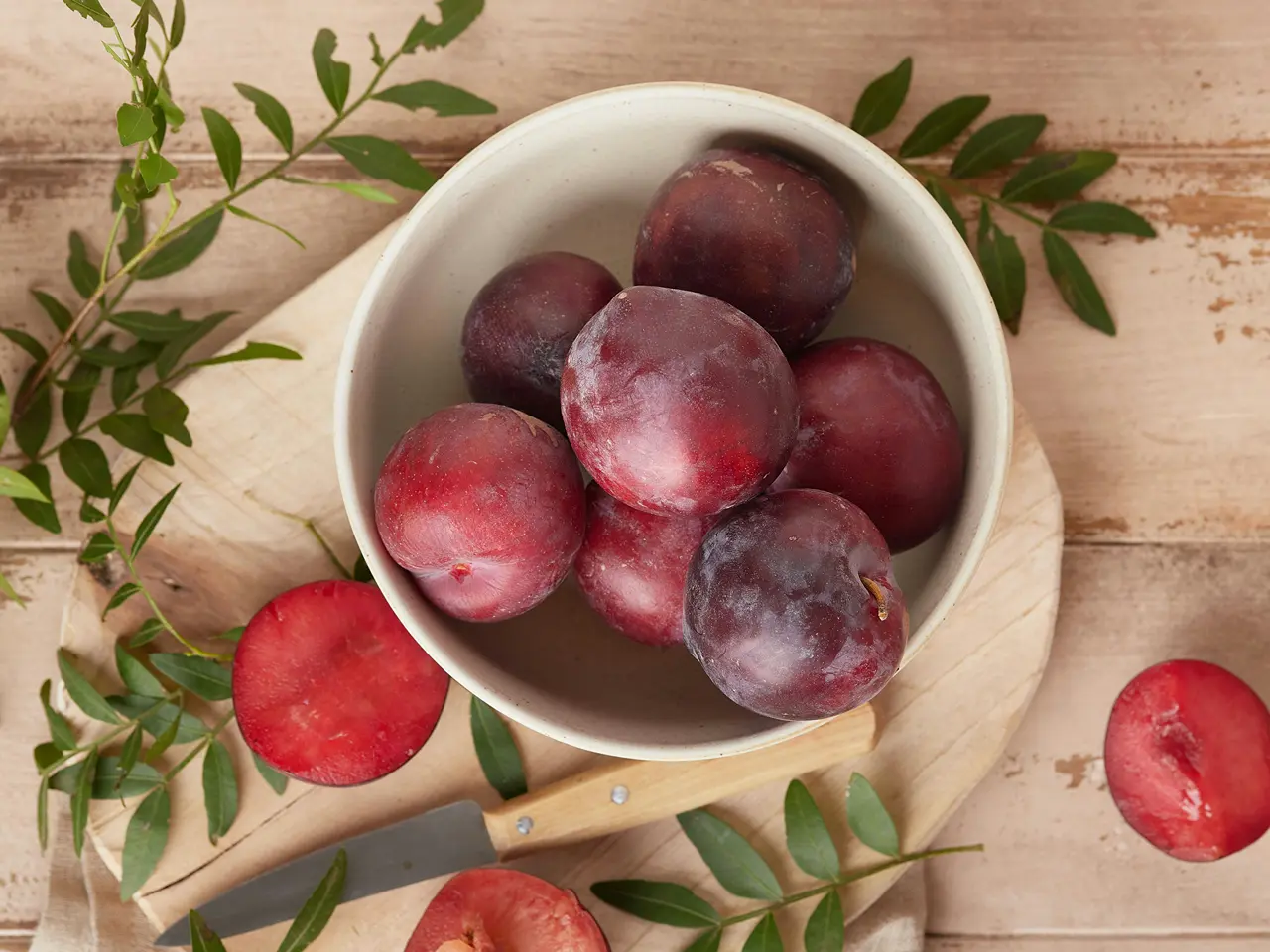
Yes, dogs can eat plums, but only certain parts and only in moderation. The plum flesh and skin are generally considered safe for dogs to eat, and the flesh and skin are generally non-toxic when offered in tiny servings. In fact, plums are a good source of fibre, vitamins, nutrients, and antioxidants.
- Pit, leaves, and stems are toxic: Not all parts of this fruit are safe. The pit, stems, and leaves from a plum tree contain cyanide, making them extremely toxic to dogs in larger amounts.
- High sugar content: Even a fresh plum has high sugar content, which means serving more than the recommended amount can add too much sugar to your dog’s meals. This can cause weight gain, especially in small dog breeds.
- Not a recommended treat: While a dog may enjoy fruits like plums, they’re not the best option compared to balanced dog food or simpler fruits. Some dogs simply do not digest plums and prunes well.
If you want to give your dog a plum, only let your dog eat a little and never a whole plum. A small bite can be an occasional treat, but feeding plums too often should not become regular.
Why Plums Can Be Bad for Dogs

Although the flesh can be safe in small amounts, plums still come with several potential risks that pet owners should be aware of.
Pits contain cyanide
The centre of the pit contains cyanide, which can cause cyanide poisoning in dogs if your dog cracks or chews it open. This is one of the main reasons plum pits are considered dangerous.
Choking and intestinal blockage risk
A plum pit is a serious choking hazard, especially for small dogs. Ingesting the pit can also cause an intestinal blockage or cause pieces of the pit to become lodged in the digestive tract, which may require veterinary treatment.
Stems and leaves are also toxic
The stems and leaves, as well as the pits, contain compounds that can cause poisoning in dogs. For this reason, it's important to keep your dog away from all parts of the plum tree except properly prepared fruit flesh.
Spikes blood sugar
Plums are naturally high in sugar, so feeding your dog too much may cause blood sugar spikes and unnecessary calorie intake. They may not be a suitable treat for dogs with diabetes or other health conditions.
Digestive upset
If your dog eats too much plum flesh, they may develop diarrhea, stomach pain, or loss of appetite. Some dogs have more sensitive digestive systems and can react even to small amounts of fruit.
Fermented plums more dangerous
Dried plums and overly ripe or fermented plums contain more sugar than fresh plums and are more likely to cause digestive upset. It's best to avoid giving your dog these forms of plums, as they may also pose additional health risks.
How to Safely Feed Your Dog Plums

If you still want to share this fruit with your dog, there are a few simple steps you can take to help reduce the potential risks.
- Remove the pit completely: Always remove the pit before sharing any plum with your dog, as the pit can pose both a choking hazard and a risk if it is chewed or swallowed.
- Cut flesh into small pieces: Slice the plum flesh and skin into bite-sized pieces to make it easier to chew and swallow. This can help your dog eat the fruit more safely, especially if they are a small breed.
- Wash thoroughly first: Wash the skin of a plum thoroughly under running water to remove dirt, pesticides, and other chemical residues before serving. Clean fruit is always a safer choice.
- Avoid canned or sweetened plums: Avoid canned plums, fruit packed in syrup and dried plums, as they often have added sugars, preservatives or other things that are not ideal for dogs.
- Offer as an occasional treat: Plums should only be given occasionally and not become part of your dog’s diet. A complete and balanced dog food should always provide the majority of your dog's nutrition.
- Start small: When you introduce a new food, first give your dog a small piece and see how he reacts. This can help your dog transition slowly and reduce the risk of digestive upset.
What to Do if Your Dog Ate a Plum Pit

If your dog has eaten a plum pit, contact your veterinarian as soon as possible. Prompt advice and treatment can help prevent serious complications.
- Watch for vomiting or lethargy: After your dog consumes a pit, monitor your dog closely for vomiting, lethargy, or unusual behaviour. These may be early warning signs that require veterinary attention.
- Note how many pits are ingested: Try to remember how many pits your dog swallowed, as this information helps your veterinarian assess the level of risk. Whether it was one pit or several can affect the recommended treatment.
- Do not induce vomiting without vet guidance: Never try to make your dog vomit unless your veterinarian specifically instructs you to do so. Inducing vomiting can be dangerous if the pit has become lodged.
- Look for signs of cyanide poisoning: Watch for signs of cyanide poisoning, including difficulty breathing, bright red gums, and weakness. If you see any of these signs in your dog, take your dog to a veterinarian for emergency care immediately.
- Emergency vet if breathing is laboured: If your dog chews on the pit and later has trouble breathing, take your dog to an emergency veterinary clinic without delay. This could indicate signs of cyanide poisoning or an airway obstruction.
Also keep an eye out for signs of an intestinal blockage, such as repeated vomiting, abdominal pain, loss of appetite, or difficulty passing stool. Contact your veterinarian promptly if these symptoms develop.
Safe Fruits Dogs Can Eat Instead of Plums

If your dog seems to like plums, there are plenty of safe fruits dogs can eat that make healthier, lower-risk treats.
Blueberries (antioxidant-rich)
Blueberries are loaded with antioxidants, fibre and vitamins to help keep your dog healthy all over. Their small size also makes them one of the easiest fruits that are safe for dogs to enjoy.
Watermelon (seedless, no rind)
Seedless watermelon is a refreshing, hydrating, low-calorie treat, especially in warm weather. To avoid digestive problems, remove the seeds and rind before serving.
Apple slices (no seeds or core)
Apple slices are a crunchy, nutritious snack that many dogs enjoy. Be sure to remove the seeds and core first, as the seeds contain compounds that can be harmful if eaten.
Bananas (low-calorie treat)
Bananas are easy on the stomach and provide potassium and other good nutrients. Since they are naturally high in sugar, offer them in small amounts as an occasional treat.
Mango (skin and pit removed)
Mango is a sweet, vitamin-rich fruit that can be a safe treat when prepared properly. Always remove the skin and pit before serving, as the pit can cause a choking hazard.
Strawberries (high in vitamin C)
Strawberries are a good healthy fruit option, packed with vitamin C, fibre and antioxidants. They provide a delicious treat to shake things up in your dog’s diet without the same dangers as plums.
Final Thoughts
You may think that plums are a healthy fruit to share, but there are important risks for every dog owner to know. You can eat the flesh of the plum in moderation, but the pit, stems, and leaves can be dangerous due to choking, intestinal blockage and possible toxicity. When it comes to storing plums at home, keep them out of reach so curious dogs cannot grab them.
The safest approach for pet parents is to offer safer fruit alternatives and stay alert for unusual symptoms. If you suspect your dog has eaten a plum pit or is showing any signs of illness, call your vet immediately.
Frequently Asked Questions
Can dogs eat prunes?
Prunes are more problematic than fresh plums because they contain concentrated sugar and are more likely to upset a dog's digestive system.
Higher Sugar Content: Drying fruit concentrates its natural sugars, making them less suitable for dogs than fresh fruit.
Greater Digestive Risk: Eating prunes may increase the chance of diarrhea, stomach discomfort, or vomiting, especially in sensitive dogs.
Avoid Regular Feeding: Prunes should not be included as part of your dog's normal diet due to their nutritional drawbacks.
Watch Portion Size: If a dog accidentally eats one, watch for any changes in digestion and call your veterinarian if symptoms arise.
Opt for Safer Fruits: Fresh options such as blueberries or seedless watermelon are typically better choices for occasional snacks.
Are plums for dogs ever safe?
Yes, they can be safe when prepared correctly, but only under specific conditions and in very small amounts.
Only the Flesh Is Safe: Serve only the ripe flesh after removing the pit, stems, and leaves completely.
Keep Portions Small: Offer just a few bite-sized pieces to reduce the chance of stomach upset.
Wash Before Serving: Cleaning the fruit helps remove dirt, pesticides, and other unwanted residues.
Skip Processed Varieties: Avoid canned, sweetened, dried, or fermented plums because they contain excess sugar or additives.
Offer Occasionally: If you decide to treat your dog, keep plums as a rare snack rather than a regular part of meals.
What makes plum pits dangerous for dogs?
The pit presents several health hazards that can quickly become serious if swallowed or chewed.
Cyanide Exposure: Cracking the pit may release compounds which may result in cyanide poisoning.
Choking Hazard: Whole pits can easily get stuck in a dog’s throat, especially in smaller breeds.
Intestinal Obstruction: The pits that are swallowed can block the digestive tract and may require veterinary assistance.
Toxic Plant Parts: The stems and leaves are also toxic and should never be eaten.
Emergency Symptoms: Difficulty breathing, weakness, repeated vomiting, or bright red gums require immediate veterinary attention.
How should I introduce plum flesh to my dog?
If your veterinarian approves, introducing small amounts carefully helps reduce the chance of digestive problems.
Start With a Tiny Piece: Offer only a small sample to see how your dog reacts.
Monitor for Symptoms: Watch for diarrhea, vomiting, stomach pain, or reduced appetite after feeding.
Serve Bite-Sized Pieces: Smaller pieces are easier to chew and lower the choking risk.
Avoid Frequent Feeding: Even safe portions should remain an occasional snack due to the fruit's sugar content.
Store Fruit Securely: Keep whole plums out of reach so dogs cannot accidentally access the pits.
What fruits are better alternatives to plums for dogs?
Several fruits provide nutritional benefits with fewer safety concerns when prepared properly.
Blueberries: Rich in antioxidants, vitamins, and fibre, and naturally easy to serve.
Seedless Watermelon: A hydrating, low-calorie option when both seeds and rind are removed.
Apple Slices: Cut out the seeds and core before serving this snack.
Bananas: Provide potassium and other nutrients, but should still be fed in moderation because of their natural sugar.
Mango or Strawberries: Both can be healthy treats when prepared correctly by removing the mango pit and skin and serving fresh strawberries in moderation.

