
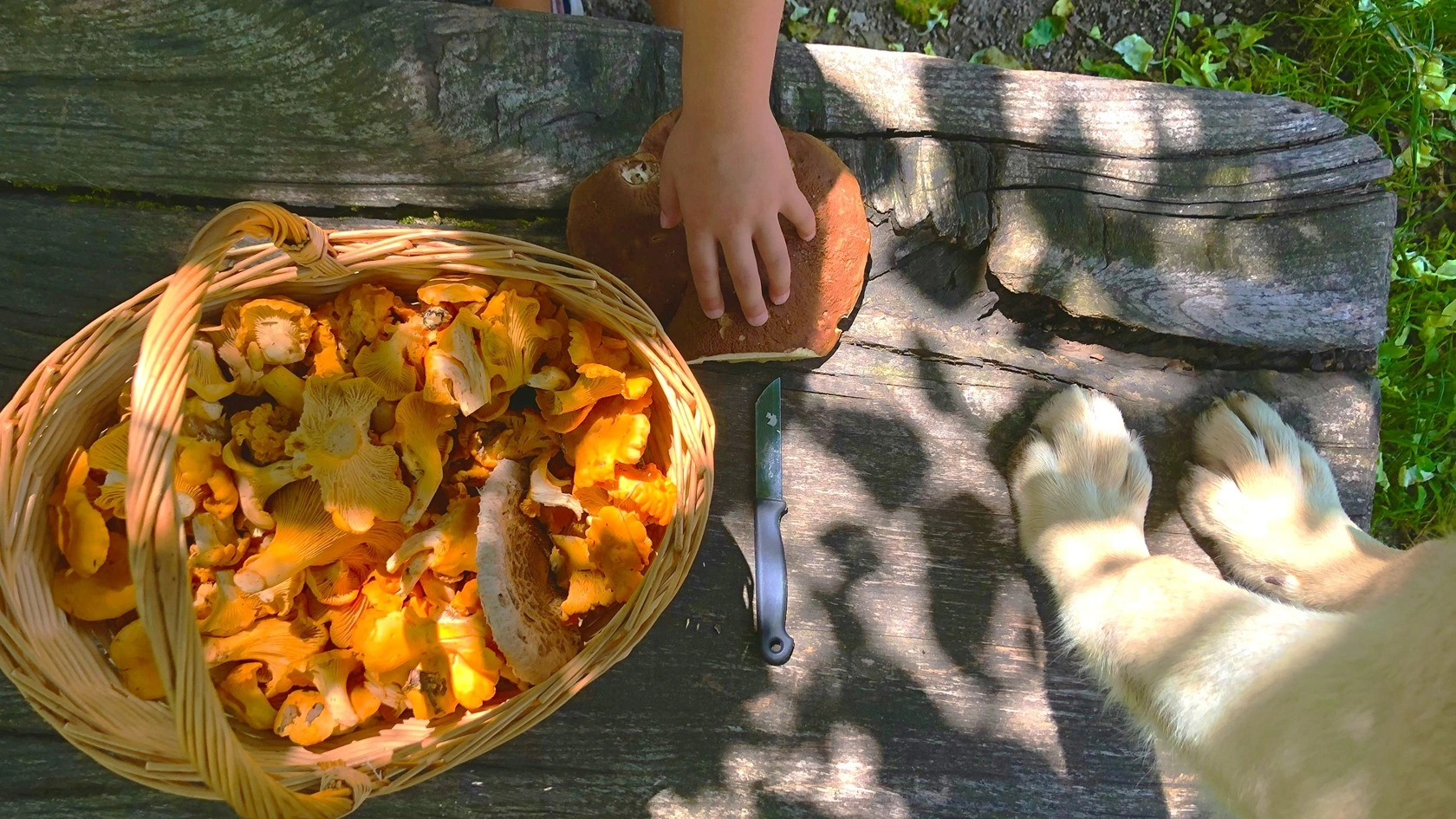

TL; DR: Can Dogs Eat Mushrooms Safely or Are They Bad for Dogs?
- Some mushrooms are safe for dogs when they’re cooked and given in small amounts, but others can be really dangerous.
- Wild mushrooms are the biggest concern, since it’s almost impossible to tell which ones are harmless just by looking at them.
- Store-bought mushrooms can have some nutritional value, but they should always be plain, cooked, and treated as an occasional treat.
- Dogs love to sniff and explore, so it’s easy for them to grab a mushroom on a walk or in the yard without anyone noticing.
- Knowing the warning signs of mushroom poisoning and acting quickly can seriously help in an emergency.
- When it comes to mushrooms, being cautious and supervising outdoor time is always the safest choice.
If there’s ever a moment when you think your dog ate a mushroom or starts acting off, it’s best not to wait. Call us right away, our professional vets can help keep your dog safe and save you a lot of worry.
Mushrooms can sometimes be tricky when it comes to dogs; are they safe, or are they bad for dogs? There are lots of types of mushrooms, from store-bought mushrooms in the kitchen to wild mushroom species you might come across, and not all of them are safe for dogs. Some mushrooms are generally safe for dogs to eat, but others can be toxic to dogs.
Dogs may come across edible mushrooms, non-toxic mushrooms, or mushrooms that are poisonous to dogs. Mushrooms can appear in dog food, feed mushrooms at home, or sometimes a dog might eat a wild mushroom by accident. With such a wide variety of mushrooms, it can be hard to know which mushrooms are safe for dogs.
Mushrooms like button mushrooms, portobello mushrooms, and shiitake mushrooms are usually safe for dogs to eat when cooked. However, many wild mushrooms are toxic and can cause problems. Keep reading to learn more about mushrooms for dogs and which mushrooms are safe for your dog.
Can Dogs Eat Mushrooms? Understanding Safe and Toxic Varieties
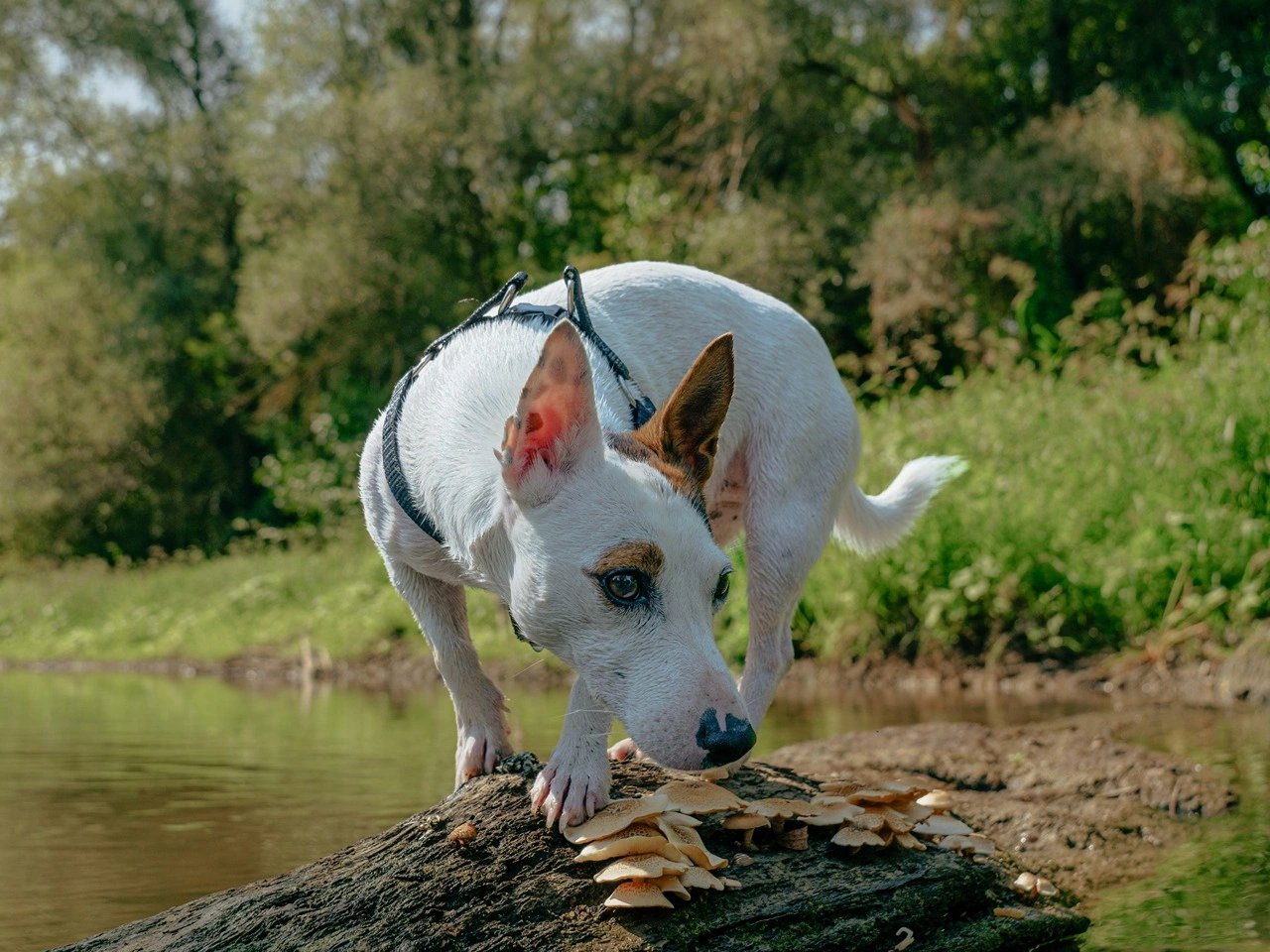
Mushrooms grow in all kinds of places, from your backyard to the park, and sometimes dogs can’t resist sniffing or trying them. Some mushrooms are alright for dogs to eat if they’re cooked, but many wild mushrooms are poisonous and can make your dog seriously sick. Knowing which mushrooms are good and which ones are toxic is the best way to keep your dog out of trouble.
Safe for Dogs Mushrooms
Dogs can safely eat certain mushrooms when they are cooked plain. Raw mushrooms can be harder to digest, and it’s always better to avoid letting your dog eat wild mushrooms altogether.
Button Mushrooms
- Button mushrooms are small, soft, and easy for your dog to chew and digest.
- They are rich in vitamins and nutrients that can support your dog’s health.
- Always feed button mushrooms cooked and plain, without seasoning.
- Giving your dog button mushrooms occasionally makes for a healthy little treat.
Portobello Mushrooms
- Portobello mushrooms are meaty and satisfying when cooked.
- They contain fibre and nutrients that may help your dog’s overall health.
- Make sure they’re plain and not seasoned.
- Feeding a small piece occasionally is a nice way to mix up your dog’s diet.
Shiitake Mushrooms
- Shiitake mushrooms are packed with compounds that may support your dog’s immune system.
- They should always be cooked before feeding.
- Raw mushrooms may upset your dog’s stomach.
- A small portion occasionally can be a tasty, healthy treat.
Cremini Mushrooms
- Also called baby bella mushrooms, cremini are safe when cooked.
- They contain antioxidants that can help your dog stay healthy.
- Feed plain and small amounts only.
- They can add a bit of variety to your dog’s meals.
Oyster Mushrooms
- Oyster mushrooms are soft and easy for dogs to eat when cooked.
- They contain nutrients that may help your dog’s digestion.
- Only give small portions.
Enoki Mushrooms
- Enoki mushrooms are thin, delicate, and full of nutrients.
- They should always be cooked before feeding.
- Small amounts are fine as an occasional treat.
- They’re a fun way to give your dog a little variety.
Maitake Mushrooms
- Maitake mushrooms contain antioxidants and compounds that may support overall health.
- They should only be fed cooked food in small portions.
- Overfeeding can upset your dog’s stomach.
- Occasional small portions can be a healthy addition.
Porcini Mushrooms
- Porcini mushrooms are okay and nutritious when cooked.
- They provide vitamins and antioxidants.
- Always feed plain and small amounts.
- They’re a good occasional treat for your dog.
Chanterelle Mushrooms (Cultivated)
- Cultivated chanterelles are safe if cooked.
- They contain antioxidants and vitamins that may help your dog.
- Avoid wild chanterelles; they can be toxic.
- Feed small portions occasionally.
King Oyster Mushrooms
- King oyster mushrooms are soft, meaty, and safe when cooked.
- They contain nutrients that may benefit your dog.
- Feed plain without seasoning.
- They can be offered in small amounts as a treat.
Toxic Mushrooms for Dogs
Many wild mushrooms are toxic to dogs. Wild mushrooms can be poisonous to dogs even in tiny amounts, and mushrooms can cause vomiting, diarrhea, organ damage, or seizures. It’s always safer to avoid letting your dog eat wild mushrooms altogether.
Amanita Species (Death Cap & Destroying Angel)
- Amanita mushrooms are poisonous to dogs; they are highly toxic and can be deadly.
- Even a tiny piece of a wild mushroom can make your dog very sick.
- Mushrooms contain toxins that affect the liver and kidneys.
- If your dog has ingested one, contact a vet immediately.
False Morels
- False morels can harm your dog’s liver and nervous system.
- Eating them may cause vomiting, tremors, or lethargy.
- Avoid letting your dog eat mushrooms from areas where wild mushrooms grow.
- Dog ingestion requires emergency care.
Jack-O’-Lantern Mushrooms
- Jack-O’-Lantern mushrooms are bright orange and grow in clusters outdoors.
- They are toxic and can cause vomiting and stomach pain.
- Eating these mushrooms may lead to dehydration if your dog gets really sick.
- Never let your dog eat them.
Panther Cap Mushrooms
- Panther cap mushrooms are highly toxic and can trigger seizures.
- They may also damage the liver.
- Dogs that eat even a small piece need urgent veterinary attention.
- These mushrooms are usually found in forests or grassy areas.
Fly Agaric
- Fly agaric mushrooms are red with white spots and poisonous.
- They can affect the nervous system, causing drooling, vomiting, or even hallucinations.
- If your dog has eaten one, keep your dog calm and contact a vet immediately.
- Never let your dog eat these mushrooms.
Green-Spored Lepiota
- Green-spored Lepiota mushrooms are extremely toxic and can cause liver failure.
- Even a small piece is dangerous.
- Dogs that eat this mushroom need immediate medical attention.
- Avoid letting your dog eat mushrooms altogether.
Inky Cap Mushrooms
- Inky cap mushrooms are toxic if eaten in large amounts.
- Raw mushrooms may upset your dog’s stomach.
- Only cooked, safe mushrooms should be fed.
- Dogs should never eat wild inky cap mushrooms.
Any Unknown Wild Mushroom
- Any unidentified wild mushroom can be poisonous to dogs.
- Even a tiny bite can make your dog very sick.
- Never let your dog eat wild mushrooms alone.
- If you suspect your dog has ingested a wild mushroom, contact a vet immediately.
Benefits of Mushrooms That Are Good for Dogs
Mushrooms can be a nice little boost to a dog’s diet when prepared the right way. They’re full of nutrients and compounds that may support your dog’s overall health. Knowing the benefits makes it easier to feed mushrooms to your dog safely.
Nutritional Support
Mushrooms are rich in vitamins and minerals that may help keep your dog healthy and active.
- Fresh or shop-bought mushrooms contain nutrients that may support energy and general wellness.
- Dried mushrooms are concentrated with nutrients, so small amounts go a long way.
- Always cook mushrooms before you feed them to your dog to make them easier to digest.
- Giving small portions occasionally is a safe way to add nutrients without overdoing it.
Immune System Support
Some species of mushrooms contain compounds that may help your dog’s immune system stay strong.
- Mushrooms are rich in antioxidants that may protect cells from stress.
- Adding a small, cooked portion to meals may help your dog’s resilience.
- Including mushrooms occasionally can support overall immune health.
- The benefits of mushrooms for dogs show up when mushrooms are prepared properly and fed safely.
Digestive Health
Mushrooms contain fibre and other nutrients that may support a healthy digestive system.
- Feeding mushrooms to dogs can provide fibre that may help digestion.
- Cooked mushrooms are easier for your dog to digest than raw mushrooms.
- Small portions offered occasionally may help keep your dog’s digestion regular.
- Mushrooms are a low-calorie way to add nutrition while supporting gut health.
General Wellness
Beyond nutrients and digestion, mushrooms may help your dog stay healthy in small but meaningful ways.
- Many mushrooms are rich in compounds that may support vitality and cell health.
- Cooked mushrooms can safely be added as a little treat.
- Feeding mushrooms to dogs in moderation can make meals more interesting while providing extra nutrients.
- Including mushrooms occasionally may contribute to your dog’s overall well-being.
Protecting Your Dog: Spotting Poisonous Mushrooms for Dogs
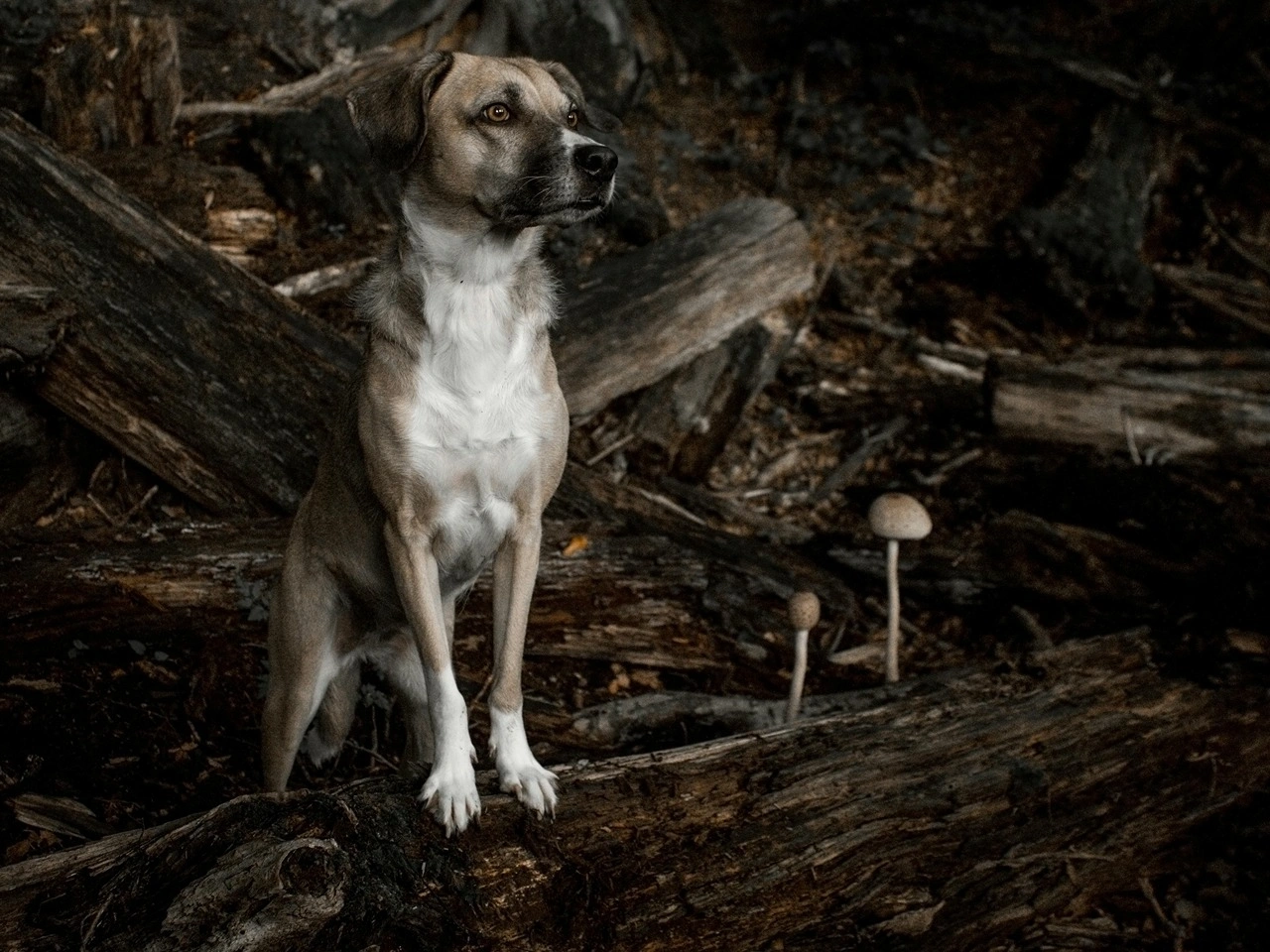
Dogs are naturally curious, and sometimes they’ll sniff around or even try to eat mushrooms they find outdoors. Some mushrooms are poisonous and can make a dog really sick. Knowing how to spot dangerous mushrooms can save your dog from a scary trip to the vet.
Recognizing Poisonous Mushrooms
Not every mushroom is safe, and some species can be harmful even in small amounts. Paying attention to where mushrooms grow and how they look can prevent trouble.
- Mushrooms that grow in damp, shady areas or in clusters may be poisonous.
- Bright colours, unusual shapes, or strong smells can be a warning sign.
- Even small mushrooms along trails, in yards, or in parks can be dangerous if a dog ingests them.
- Avoid letting your dog touch or eat any mushrooms that haven’t been confirmed safe.
- Keeping your dog on a leash in areas where mushrooms grow makes it easier to control what they sniff or eat.
Checking Mushrooms Safely
If you’re not sure whether a mushroom is safe, it’s best to be cautious.
- If possible, take a sample of the mushroom to help a professional identify it.
- Limit your dog’s access to areas where mushrooms appear, especially after rain.
- If you suspect your dog has eaten a wild mushroom, contact a veterinarian right away.
- Supervision during walks or outdoor play is key to keeping your dog safe.
General Safety Tips
Preventing mushroom poisoning doesn’t have to be complicated.
- Stick to mushrooms you know are safe, like cooked store-bought mushrooms.
- Do not allow your dog to eat any mushrooms from the wild.
- Regularly check areas where mushrooms grow and remove any in your yard.
- Always keep your dog on a leash in unfamiliar areas to reduce the risk of accidental ingestion.
- Acting quickly if your dog ingests a mushroom can make all the difference.
Warning Signs: Symptoms of Mushroom Poisoning in Dogs
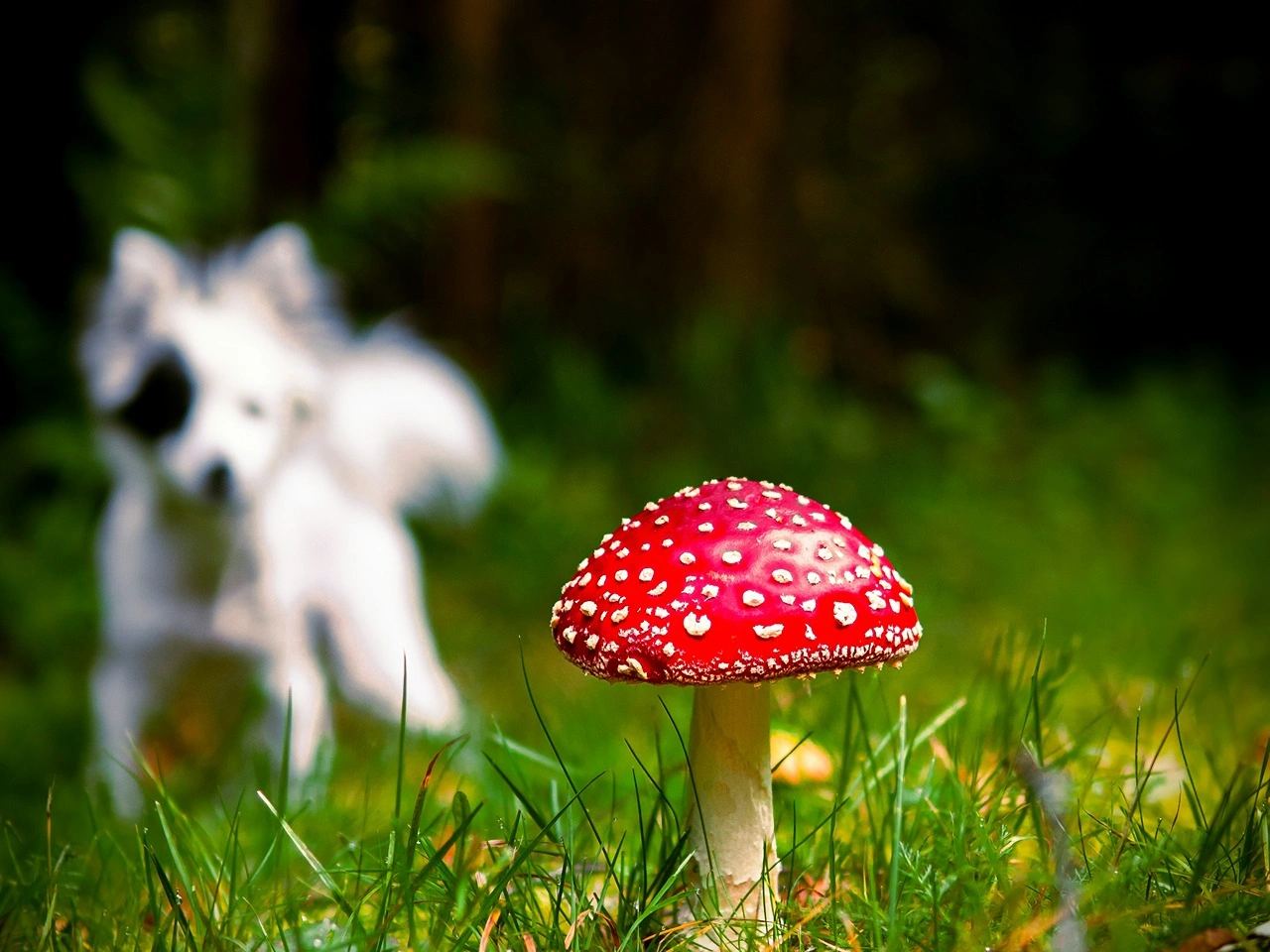
Even though dogs can eat cooked mushrooms in some cases, things can go wrong fast when a dog ingests the wrong one. Sometimes symptoms show up right away, and other times they creep in later. Knowing what to look for can help you act before it becomes serious.
Digestive Symptoms
The stomach is usually the first place you’ll notice something isn’t right after a dog eats a mushroom.
- Vomiting can start soon after a dog ingests a harmful mushroom.
- Diarrhea may follow and can become severe.
- Excessive drooling or signs of nausea can appear.
- Refusing food can be an early sign that mushrooms are bad for dogs.
Behavioural and Movement Changes
If a dog has eaten a poisonous mushroom, changes in behaviour or movement can be alarming.
- A dog may seem unusually tired or weak.
- Walking may look unsteady or awkward.
- Confusion or strange behaviour may show up.
- Shaking or tremors can happen in more serious situations.
Serious or Delayed Reactions
Some reactions take time, especially if a dog is allergic to mushrooms or ate a mushroom that caused internal damage.
- Symptoms can get worse hours after the dog ate a mushroom.
- Breathing may change, or the dog may suddenly collapse.
- Serious internal issues can develop even if early signs seemed mild.
- Quick action is crucial if a dog has eaten a poisonous mushroom.
Acting Fast: When to Call a Vet if Your Dog Has Eaten a Toxic Wild Mushroom
When mushrooms are involved, it’s always better to be cautious. Some can cause problems quickly, while others take time to show their effects. Knowing when to call a vet can make all the difference for your dog.
Situations That Need Immediate Help
There are moments when waiting or “watching and seeing” just isn’t worth the risk.
- Your dog was seen eating a mushroom while outside.
- You are not sure what kind of mushroom it was.
- Vomiting, weakness, confusion, or unusual behaviour start.
- Your dog suddenly seems worse or not like themselves.
- You cannot confirm that the mushroom was safe.
What to Do Before Heading to the Vet
A few simple steps can help while you’re getting ready to leave.
- Gently remove any mushroom pieces from your dog’s mouth if it’s safe.
- Keep your dog calm and limit movement.
- Bring a photo or sample of the mushroom if you can do so safely.
- Try to remember when the mushroom was eaten and how much.
- Avoid home treatments unless a vet tells you what to do.
Why Acting Quickly Matters
With mushrooms, time really matters.
- Some toxins act fast and affect the stomach or nervous system.
- Others cause damage slowly, which makes early care just as important.
- Vets have more treatment options when they see a dog early.
- Quick action can prevent long-term problems and improve recovery.
Final Thoughts
Mushrooms can be a nice treat for dogs, but they can only safely eat mushrooms when the right ones are chosen and prepared properly. Cooked, store-bought mushrooms can offer some benefits when given in small amounts and kept plain.
Wild mushrooms are a different story, since many are toxic and can cause serious problems if a dog eats them. That’s why knowing which mushrooms are safe and which ones are dangerous really matters.
Paying attention on walks, checking the yard, and acting fast if something feels off can help avoid a scary situation. When there’s any doubt, it’s best to skip mushrooms altogether and ask a vet, just to keep your dog safe and healthy.
Frequently Asked Questions
How should I feed mushrooms to my dog to make sure they are safe and healthy?
Mushrooms can be a safe little treat for your dog if you handle them the right way. It’s all about cooking them properly and giving just a small amount.
Cooked and plain: Always cook mushrooms and skip butter, oil, or seasoning to avoid upsetting your dog’s stomach.
Start small: Give just a tiny piece the first time to see how your dog reacts before offering more.
Watch first tries: Keep an eye on your dog while they try mushrooms for the first time; you’ll notice right away if it disagrees with them.
Avoid raw mushrooms: Raw mushrooms can be hard for dogs to digest and sometimes cause stomach upset.
Treat, not a meal: Think of mushrooms as a small bonus or snack, not something to replace their regular food.
Can dogs eat store-bought mushrooms every day, or is moderation important for their health?
Even safe mushrooms shouldn’t become a daily habit. A little goes a long way, and moderation keeps your dog’s tummy happy.
Small servings: A tiny portion a few times a week is enough to get the benefits.
Balanced diet: Mushrooms should complement your dog’s meals, not replace their regular food.
Think occasionally: Think of mushrooms as a fun, healthy treat to enjoy occasionally, not something to give every day.
Watch for reactions: Giving mushrooms every day could upset their stomach or cause allergies.
Mix with meals: Adding mushrooms to their regular meals can help support better digestion.
Are there any benefits of mushrooms for dogs that go beyond basic nutrition?
Mushrooms aren’t just tasty; they can support your dog in a few different ways when given properly.
Immune support: Some mushrooms contain compounds that may help strengthen your dog’s immune system.
Digestive health: The fibre and nutrients in mushrooms can help keep the stomach happy.
Antioxidants: Certain mushrooms have antioxidants that protect cells from stress.
Low-calorie variety: They’re a healthy way to add something different to your dog’s diet without extra calories.
Occasional boost: A little bit now and then can contribute to your dog’s overall wellness.
What should I do if I suspect my dog ate wild mushrooms while outside?
Wild mushrooms can be dangerous, so acting fast is really important. Even a tiny bite could make your dog sick.
Keep them away: Make sure your dog doesn’t go back to the spot where the mushrooms were.
Grab a sample: If it’s safe, take a photo or a small piece to show your vet; it can help identify the type of mushroom.
Watch for signs: Vomiting, diarrhea, tiredness, or unusual behaviour are red flags.
Call the vet right away: Quick response can make a big difference in recovery.
Stay calm: Keep yourself calm and your dog relaxed while you get help; they can pick up on your stress when you panic.
How can I tell which mushrooms are safe for dogs versus those that are toxic to dogs?
It’s not always easy to tell, so it’s best to be cautious. Wild mushrooms can be dangerous even in small amounts.
Stick to store-bought: These are usually safe when cooked and plain.
Watch the appearance: Bright colours, unusual shapes, or strong smells can mean trouble.
Don’t guess: If you’re unsure, keep your dog away from it.
Supervise outside: Always watch your dog in areas where wild mushrooms grow.
Call the vet if needed: If your dog eats an unknown mushroom, get professional help right away; it’s better to be safe.

