


TL;DR: Can Dogs Eat Corn? Benefits, Risks, and Safe Feeding Advice
- Dogs can eat corn in small amounts as long as it’s plain and prepared properly.
- Cooked corn kernels are usually safer than corn on the cob.
- Corn can give dogs carbs for energy and help with daily activity.
- It also has vitamins, minerals, and healthy fats.
- It’s not really something a dog needs in their everyday diet.
- Too much corn can upset the stomach or lead to weight gain.
- Corn on the cob is risky because it can cause choking or blockage.
- The cob and husk aren’t easy for dogs to digest.
- Some dogs may have allergies or just not tolerate corn well.
- Watch for signs like diarrhea, loss of appetite, or discomfort.
- Start with a small amount if it’s the first time trying it.
- Skip processed corn snacks since they’re not made for dogs.
- Pay attention to how your dog reacts afterwards.
- Contact a veterinarian immediately if anything seems off.
If there’s any doubt about how your dog will react to corn or how much is safe, it’s best to speak with a vet before feeding corn regularly. You can call us; our professional vets can assess your dog’s needs, help identify any concerns, and guide you on safe feeding choices so decisions feel a bit more certain and less stressful.
Ever caught your dog staring deeply at corn and wondered, "Can dogs have corn?" It’s a common question when seeing corn, human food like corn tortillas, or even when noticing corn used in pet food, and it can make dog owners pause before giving their dog anything with corn.
Corn is almost everywhere, and it’s often said to be generally safe for dogs, but there’s still a bit of confusion around dogs and corn, especially depending on how it’s served and how much is given. Some dogs seem totally fine with it, while others don’t react as well.
So the real question is what’s actually okay and what’s not worth the risk. Read on to see when corn is fine, when it’s not, and what’s worth knowing before feeding your dog corn.
Can Dogs Eat Corn: Is It Safe for Dogs or Not?
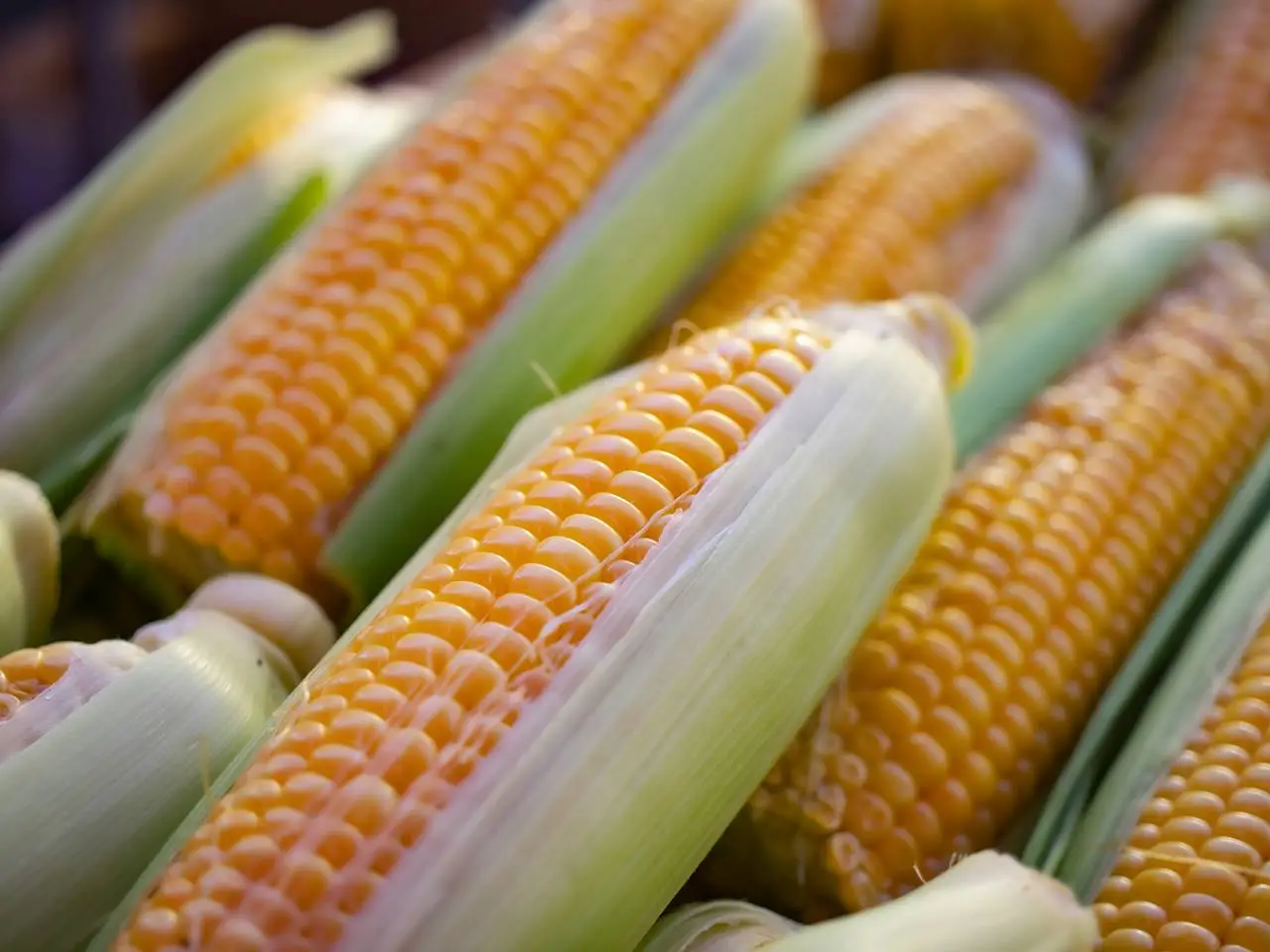
Corn shows up a lot in dog food, so it’s normal to wonder if dogs can safely have corn as a part of their diet or if corn kernels are really okay for them. In general, corn is safe for dogs when used in moderation, especially since it’s already a common part of balanced dog food.
General Safety Overview
This is just the simple takeaway on safety, nothing more.
- Corn is generally safe for dogs when given in moderation.
- Many dogs can handle corn kernels without any immediate issues.
- Corn is often used as a carbohydrate in regular dog food.
- Some dogs tolerate corn with no noticeable problems.
Dogs can eat corn, and using corn as an ingredient in food can be fine for some dogs, as long as it’s kept in moderation and not overdone.
Is Corn Good for Dogs? Corn Preparations and Corn Products Safe for Dogs
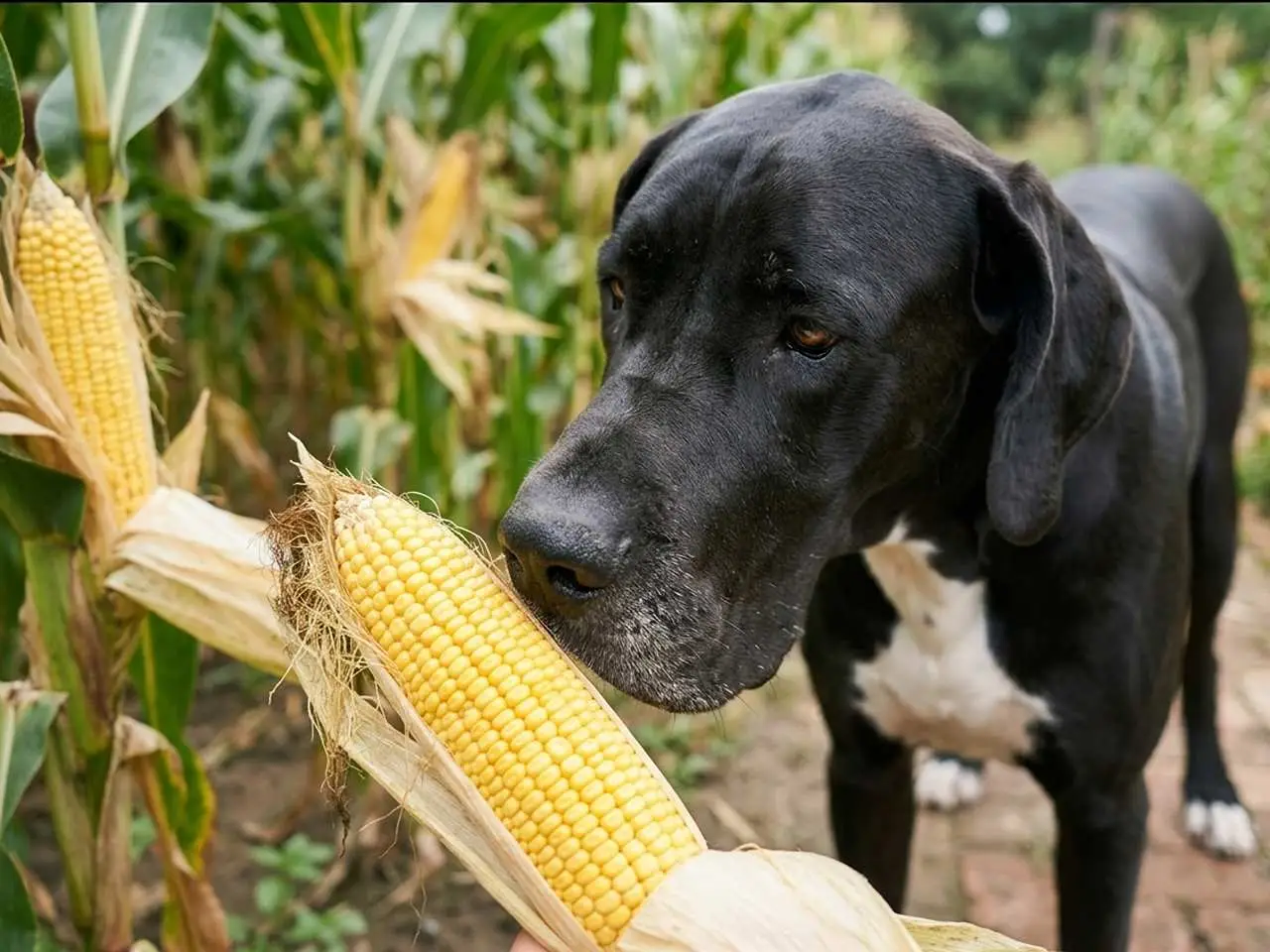
Corn is something many dogs have in their diet already, especially through dog food, so it’s pretty normal to wonder if it’s actually a good option for dogs. In moderation, corn is often considered a nutritious ingredient because it is rich in vitamins and minerals, essential fatty acids such as linoleic acid, and antioxidants that may help fuel your dog’s daily activities and support skin and coat health.
Corn Preparations Safe for Dogs
This is about how corn is usually served and what works best.
- Cooked corn is usually easy for dogs to handle and digest.
- Corn off the cob is a safer and simpler option for dogs.
- It’s best to introduce corn slowly, especially for puppies with sensitive stomachs.
- Small amounts are better to avoid digestive issues like diarrhea.
- Too much corn can sometimes contribute to weight gain or upset digestion.
Parts of Corn and Safety for Dogs
This is where things can go wrong if the wrong part is given.
- Corn kernels are a part that a dog can actually eat safely.
- Remove the kernels from the cob before giving it to your dog.
- Corn cobs can be a choking hazard and may cause intestinal blockage.
- Husk isn’t easily digestible and can cause digestive problems.
- Corn chips and processed snacks aren’t a good nutritional choice for dogs.
Corn isn’t something to worry about in small, proper amounts, but it’s always better to keep it simple and watch how each dog reacts.
Is Corn Bad for Dogs: Corn on the Cob, Cob, and Other Risks

Corn can be fine for some dogs, but there are situations where it can cause real problems, especially depending on how it’s given and how a dog reacts. Most of the concerns come from physical hazards and how certain dogs handle them in their digestion.
Corn on the Cob and Physical Danger
This is the one people usually learn the hard way with dogs.
- Corn on the cob can be risky if a dog tries to swallow it whole.
- The cob poses a choking hazard when chewed or broken into pieces.
- It can lead to intestinal blockage if it gets stuck inside.
- A veterinarian should be contacted immediately if it is swallowed.
Cob and Digestive Obstruction Risk
This is about the part of corn that causes the biggest issues.
- Corn cobs are not digestible and can cause intestinal blockage.
- Even small pieces may create digestive problems.
- Puppies have sensitive digestion, so the risk can be higher.
- If blockage is suspected, take them to a veterinarian immediately.
Sensitivity and Reactions
Some dogs just don’t handle corn well at all.
- Some dogs might show food allergies after eating corn.
- Signs like loss of appetite can show something isn’t right.
- Digestive issues may appear after eating it.
- Stop feeding corn if any unusual reaction is noticed.
Corn isn’t automatically dangerous for every dog, but it really depends on how it’s given and how each dog reacts to it.
Nutritional Value and Possible Benefits of Corn for Dogs

Corn is nutritionally good, and it is something dogs have in some diets already, and when it’s used the right way, it can actually bring some nutritional benefits for dogs. It’s not something to rely on heavily, but in the right amount of corn, it can fit in without issues for some dogs.
Energy and Protein Support
This is about what corn gives in terms of basic fuel for the body.
- Corn is rich in carbohydrates that help with daily energy.
- It can act as a small yet good source of protein for body support.
- The omega-6 fatty acid in corn supports normal body function.
- It helps fuel your dog’s daily activities when used properly.
- Corn contains antioxidants like vitamin E and beta-carotene, which can help strengthen the immune system.
Skin, Coat, and Cell Support
This is about how corn may help the body in small ways.
- Omega-6 fatty acids may support skin and coat health.
- Nutrients may help protect cells from oxidative stress.
- It can add to the overall nutritional benefits for dogs.
- Works best as part of a balanced diet, not the main focus.
Feeding Considerations
This is just about keeping things safe and sensible.
- Corn should only be used in moderation as an occasional treat.
- It’s better to introduce corn slowly, especially for puppies.
- A veterinarian or nutritionist can help if there’s any concern.
- Suspect your dog doesn’t tolerate it if unusual signs show up.
Corn can be a good food to give your dog; it's a source of simple nutrition for some dogs, but it really comes down to moderation and paying attention to how each dog reacts.
Vet Tips on Safely Feeding Corn to Your Dog

Most vets would just say to keep corn simple and not overthink it, since it can be okay for some dogs as long as it’s given the right way and in small amounts.
- Stick to plain corn with nothing added to it.
- Remove kernels from whole corn before giving it to your dog.
- Never give whole corn on the cob since it’s not safe for a dog to eat.
- Skip processed stuff like corn chips.
- Keep corn portions small so it doesn’t upset your dog's digestion.
- Treat it as an occasional snack, not a daily thing.
- Introduce it slowly, especially if it’s the first time.
- Watch how your dog reacts after eating it.
- Stop feeding if anything seems off or unusual.
- Vet first is the safer choice if there are any health concerns.
- Keep corn minimal if your dog already has a sensitive stomach.
Final Thoughts
Corn can be okay for dogs, but it really works best as a small, occasional treat rather than something they eat all the time. Cooked corn kernels are usually the safest way to offer it, while corn on the cob and husk are better avoided because of the choking and blockage risks.
Some dogs handle corn just fine, but others might get an upset stomach or even show signs of an allergy. It helps to go slow the first time and just see how your dog reacts.
Corn should never take the place of proper, balanced dog food. When there’s any doubt, checking with a veterinarian is always the safest call.
Frequently Asked Questions
Can dogs have corn in their diet without any issues?
Dogs can usually have corn as part of their diet, especially since it already shows up in many balanced dog food recipes. Most of the time, it’s fine, as long as it’s not given in large amounts.
Common ingredient: Corn is often used as an ingredient in dog food as an easy source of energy.
Individual response: Some dogs do just fine with it, while others might be a bit more sensitive.
Moderation matters: A small amount is usually okay, but it shouldn’t take up a big part of meals.
Watch for reactions: It helps to just pay attention to how the dog feels after eating it.
Check if unsure: A quick talk with a veterinarian can clear things up if there’s any doubt.
How much corn is considered too much for a dog?
Corn isn’t something dogs need a lot of, so it really comes down to keeping it in small amounts. Too much of it can throw things off a bit, especially over time.
Small portions only: It works best when it’s just a small part of the diet.
Balance is key: If there’s too much, it can crowd out other important nutrients.
Digestive strain: Some dogs may get a bit of an upset stomach if they eat too much.
Weight concerns: Extra calories can slowly add up without anyone noticing right away.
Ask a vet: A veterinarian can help figure out what’s a safe amount for a specific dog.
Are corn kernels suitable for all dogs to eat?
Corn kernels are commonly used in dog food, and many dogs handle them without issues. Still, every dog is a little different when it comes to digestion.
Generally safe form: Plain cooked kernels are usually the easiest way to serve corn.
Digestive differences: Some dogs digest it just fine, while others might feel a bit off.
Sensitivity possible: A few dogs may get mild stomach upset after eating it.
Simple preparation: Keeping it plain is always the safest choice.
Monitor response: It’s good to just notice how the dog reacts afterwards.
Can dogs and corn sometimes be linked to allergies?
Yes, it can happen, but it’s not very common. Some dogs just don’t tolerate corn as well as others.
Possible reactions: It might show up as itching or mild skin irritation.
Digestive signs: Some dogs may get diarrhea or an upset stomach.
Individual sensitivity: Every dog reacts differently, so it’s not always the same.
Observation helps: Symptoms usually show up not long after eating it.
Veterinary advice: A vet can help confirm if it’s really an allergy or something else.
What should be checked before adding corn to dog food?
Before adding corn to a dog’s meals, it’s worth thinking about how it fits into their overall diet and health. Not every dog responds the same way to new food.
Diet balance: Corn shouldn’t replace a complete and balanced dog food.
Dog’s tolerance: Some dogs handle it well, while others don’t react as well.
Health history: Any past stomach or allergy issues should be considered.
Proper serving: Plain and simple is always safest.
Professional input: A veterinarian can help decide if it’s a good idea for that dog.

