


TL;DR: Is Almond Bad for Dogs?
- Almonds aren’t toxic, but they’re still not a good snack: While a small amount may not cause immediate harm, almonds can still create digestive problems and other risks for dogs.
- Hard for dogs to digest: Almonds are difficult on a dog’s stomach because dogs can’t process dense, fatty foods the same way humans do. This can lead to vomiting, diarrhea, or stomach discomfort.
- Choking and blockage risks: Almonds can easily become a choking hazard, especially for small dogs or pets that gulp food too quickly. Eating several almonds may even cause dangerous intestinal blockages.
- They’re also high in fat: Fatty foods like almonds may contribute to weight gain and, in some cases, pancreatitis — a painful condition that may require veterinary care.
- Seasoned almonds are even worse: Salted or flavoured almonds may contain harmful ingredients, excess salt, or even xylitol, which is extremely toxic to dogs.
- There are many safer treats available: Carrots, blueberries, plain cooked chicken, sweet potatoes, and xylitol-free peanut butter are all better options for rewarding your pup.
- Watch your dog closely if they eat almonds: Monitor for choking, vomiting, diarrhea, bloating, lethargy, or trouble breathing after ingestion.
Have concerns about your dog eating almonds? Contact us for guidance and safe treatment recommendations to help keep your pet healthy and comfortable.
Many pet owners assume nuts are harmless treats, but almonds can actually pose several risks for dogs. While many human foods may seem harmless, almonds can create several health concerns for your dog — especially if they eat more than one or two almonds, as larger amounts can lead to digestive upset, choking hazards, or even more serious health complications.
In this blog, we’ll explain whether dogs can safely eat almonds, what symptoms to watch for, safer treat alternatives, and when Toronto pet owners should contact a veterinarian. Read on to learn how to keep your dog safe and healthy.
Can Dogs Eat Almonds?
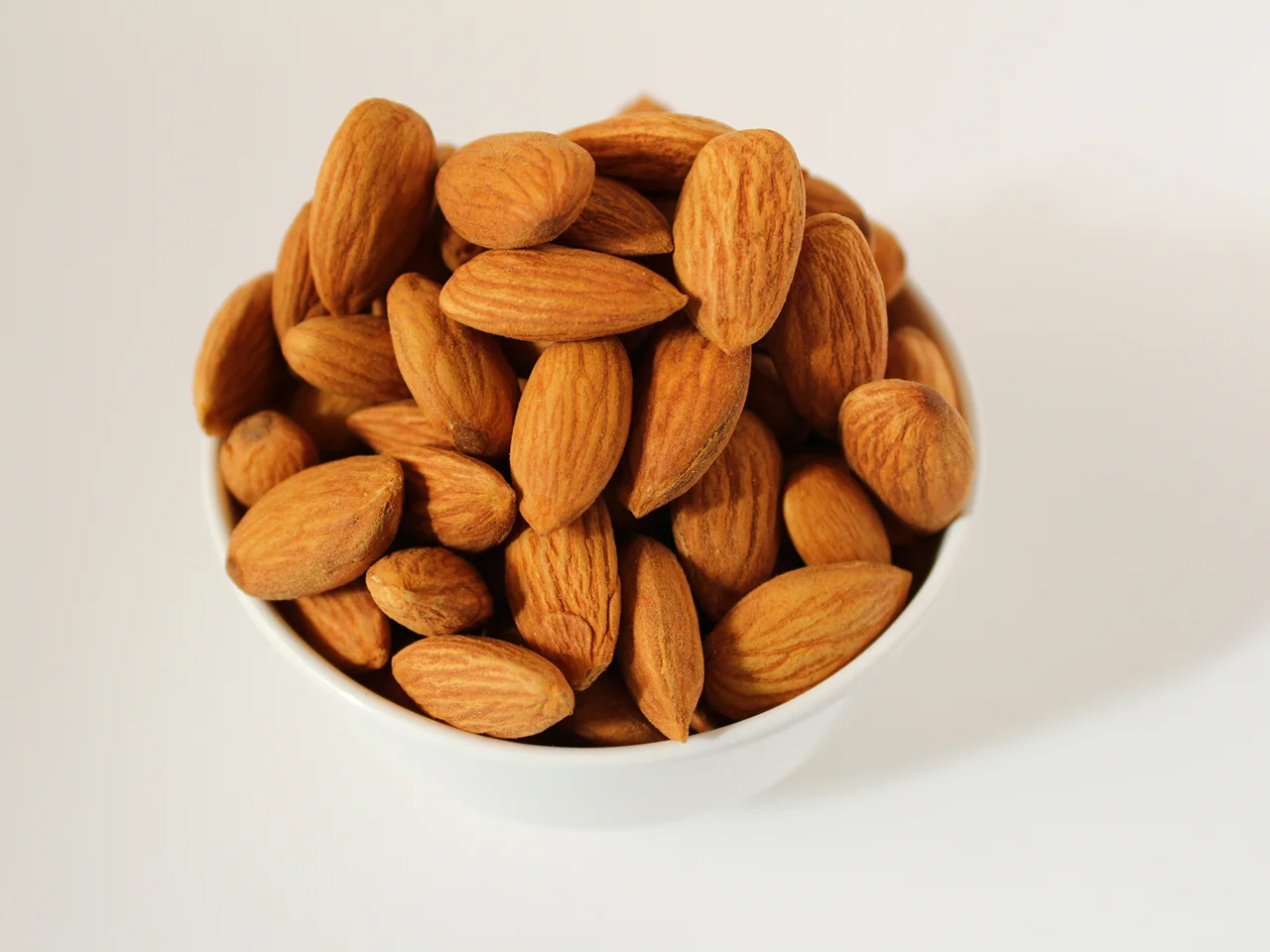
Although almonds are not toxic to dogs, they are still not recommended for them. Dogs can eat very small amounts without immediate emergency symptoms. However, although almonds may not contain nut toxicity, they can still create potential health concerns that can affect your pet’s health.
Difficult to digest properly
Almonds are very hard for dogs to digest because their digestive systems process fats and dense foods differently than humans. Many dogs simply can’t eat nuts comfortably, and some dogs don't break them down efficiently.
This means your dog may struggle to digest almonds, especially if they swallow whole almonds too quickly.
Choking hazard risk
One major concern is that almonds can become a serious choking hazard, particularly for curious pets that gulp food without chewing. Almonds may get stuck in the esophagus or even near the windpipe, making it difficult for a dog to breathe properly.
This risk is even greater in small breed dogs, where almonds may cause dangerous blockages or even life-threatening obstructions of the esophagus.
Can cause gastrointestinal upset
When a dog consumes almonds, the nut’s richness can irritate the digestive tract and trigger gastrointestinal discomfort. Some dogs experience gastric intestinal distress, including vomiting and diarrhea, after they ingest almonds.
In more sensitive pets, even a couple of almonds may upset their system or irritate the intestinal lining.
High-fat content issues
Almonds are high in fat compared to typical canine snacks. Foods that are high in fat can contribute to weight gain and may eventually lead to obesity in dogs. In some cases, fatty foods can lead to pancreatitis, a painful condition involving inflammation of the pancreas.
Because almonds can lead to digestive and pancreatic issues, they are considered dangerous for dogs when consumed in large amounts.
Salt and seasonings are dangerous
Plain almonds are already problematic, but salted or seasoned versions are even worse. Added salt can increase the risk of salt toxicity, while spices and coatings found on flavoured almonds may be especially harmful to dogs.
Some flavoured products may even contain xylitol, an artificial sweetener that is extremely toxic to pets. Before offering any nut product, you should carefully check the ingredients.
No nutritional benefit for dogs
Some dogs may love the taste of almonds, but there is very little reason to give your dog almonds as a treat. Dogs already receive balanced nutrition from quality dog food, so almonds do not provide any important benefit that outweighs the risks.
While almonds aren’t likely to poison your pet, they aren’t considered especially nutritious or safe for dogs either.
Obstruction risk in small dogs
If a dog accidentally eats several almonds from a spilled bag of almonds, the nuts may create an obstruction in the digestive tract. This is particularly risky for smaller breeds because the nuts can block movement through the stomach or intestines.
Since almonds pose potential health problems, pet owners should take any unusual symptoms seriously.
Safer Alternatives to Almonds for Dogs

If your pup is asking for a snack, there are plenty of healthier options that are easier on the digestive system and much safer to enjoy in moderation.
- Peanut butter (unsalted, xylitol-free): Plain peanut butter can make a tasty little reward for dogs, as long as it is unsalted and completely free from xylitol, which is highly toxic to pets. It’s always a good idea to double-check the ingredient label before sharing a spoonful.
- Plain cooked chicken: Lean, unseasoned cooked chicken is gentle on the stomach and gives dogs a healthy source of protein without the digestive issues that nuts may cause.
- Carrot sticks: Crunchy carrot sticks are low in calories and can be a fun snack for dogs that love chewing on something crisp between meals.
- Blueberries: Blueberries are packed with antioxidants and make an easy, bite-sized treat that many dogs happily enjoy as a quick snack.
- Sweet potato chunks: Soft, cooked sweet potato pieces are filling, naturally nutritious, and usually much easier for dogs to digest than hard or fatty snacks.
- Commercially-made dog treats: Vet-approved dog treats made specifically for canine digestion are generally the safest choice, especially when given as occasional rewards or training treats.
What To Do If Your Dog Ate Almonds

If your dog ate almonds, try not to panic. What you should do next usually depends on how many almonds were eaten and whether your dog starts showing symptoms afterward.
- Check how many almonds were eaten: Try to figure out whether your dog ate one or two almonds or got into a much larger amount. The quantity can help determine how serious the situation may be.
- Remove any remaining almonds: Take away any leftover nuts right away so your dog cannot continue eating them while you assess the situation.
- Watch for signs of choking: Keep an eye out for coughing, gagging, pawing at the mouth, or trouble swallowing, especially in smaller dogs. Choking can become an emergency and may require immediate veterinary attention.
- Look for digestive symptoms: Be on the lookout for vomiting, diarrhea, stomach upset, bloating, or loss of appetite over the next few hours, as these could indicate a digestive upset.
- Provide fresh water: Make sure your dog has access to clean, fresh water to help maintain hydration while you continue monitoring symptoms at home.
- Contact your veterinarian if needed: If your dog ate a large amount of almonds, develops concerning symptoms, or already has underlying health issues, it’s safest to call your veterinarian for guidance.
When Toronto Pet Owners Should Call a Vet
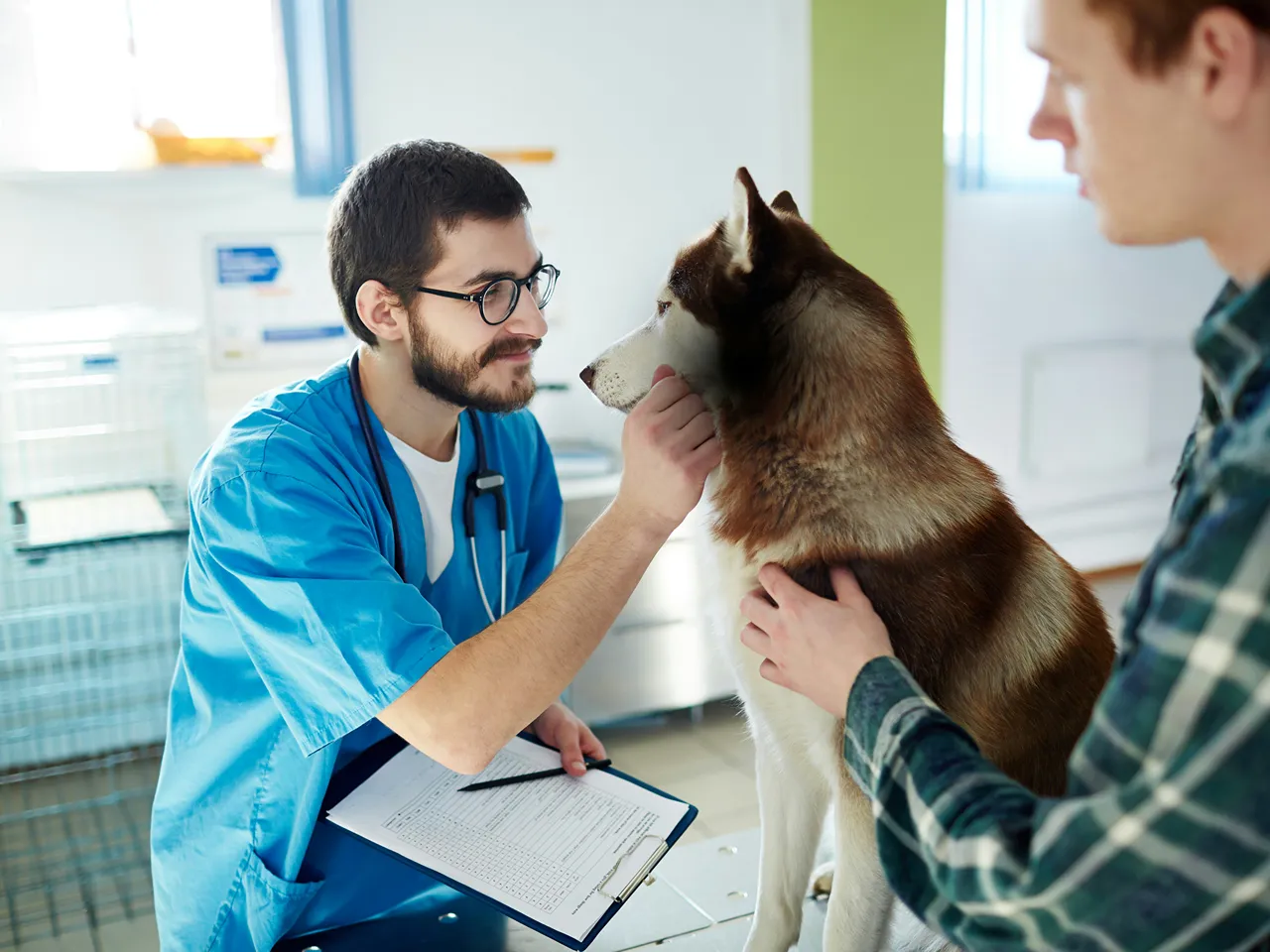
Some situations require professional care, especially if symptoms worsen or do not improve quickly. If you are ever unsure about something your dog has eaten, always check with your veterinarian for advice.
Persistent vomiting or diarrhea
Ongoing digestive symptoms may be a sign of irritation, dehydration, or a more serious complication that requires veterinary evaluation.
Signs of Choking
Difficulty swallowing, excessive drooling, coughing, gagging, or pawing at the mouth should always be treated as urgent, especially if your dog seems distressed.
Difficulty Breathing
Breathing problems can occur if almonds become lodged near the throat or airway, and this situation needs immediate veterinary attention.
Extreme Lethargy or Weakness
If your dog becomes unusually tired, weak, disoriented, or less responsive than normal, it could indicate a more serious reaction or digestive issue.
Abdominal Pain or Bloating
A swollen abdomen, pacing, whining, or visible discomfort may point to a blockage or digestive complication that should be checked by a veterinarian as soon as possible.
Final Thoughts
If your dog has any lingering symptoms after eating almonds, do not wait too long to get professional advice from your veterinarian. Sometimes even small amounts can cause delayed digestive upset or serious complications that don’t show up right away. Watch your pet closely so that you can notice and treat any problems early.
If symptoms such as vomiting, diarrhea, lethargy or abdominal discomfort worsen, it’s best to call your veterinarian for assessment and safe treatment options to protect your dog’s overall health and well-being. Early intervention is always best.
Frequently Asked Questions
Can dogs safely eat almond butter?
While almond-based spreads may seem harmless, dogs should only consume them cautiously and in very limited amounts.
Choose plain ingredients carefully: Plain almond butter in small portions may be less risky than whole almonds because it is softer and easier to swallow.
Watch for added sweeteners: Some nut spreads contain xylitol or artificial additives that are extremely harmful to dogs and require emergency veterinary care.
Avoid excessive fat intake: Nut butters are still rich and fatty, which can upset your dog’s stomach or contribute to pancreatitis over time.
Monitor portion sizes closely: Even safe-looking treats should only be offered occasionally because too much can lead to vomiting or diarrhea.
Check labels before serving: Always inspect ingredient lists carefully since flavoured or processed products may contain harmful seasonings or preservatives.
Is almond milk safe for dogs to drink?
Small sips are usually not dangerous, but many almond milk products are not ideal for regular canine consumption.
Unsweetened versions are safer: Plain varieties without sugar or flavourings are generally less irritating for sensitive stomachs.
Some products contain harmful additives: Sweetened beverages may include artificial ingredients that dogs should avoid entirely.
Digestive upset can still happen: Certain dogs may experience bloating, gas, or loose stools after drinking nut-based milk products.
Possible problems with high-fat formulas: Rich drinks can sometimes upset stomachs, especially in dogs with sensitive digestive systems.
Fresh water is best: Dogs are healthiest when water is their primary source of hydration, not processed milk alternatives.
What nuts are dangerous for dogs?
Several nuts can create serious health risks for dogs, even in small amounts.
Certain varieties are highly toxic: Macadamia nuts are toxic to dogs and may trigger weakness, tremors, vomiting, or difficulty walking.
Mould exposure increases danger: Black walnuts can develop toxic moulds that may lead to neurological symptoms or severe digestive upset.
Large nuts can become choking hazards: A whole walnut may easily lodge in the throat or digestive tract, especially in smaller breeds.
Rich nuts can upset digestion: Pecan varieties are high in fat and can cause stomach pain or pancreatitis in some dogs.
Store nuts safely at home: Storing nuts in a sealed container and out of reach can help prevent accidental consumption and emergency vet visits.
Are some nuts safer than others for dogs?
A few nuts may be less harmful in moderation, but they still require caution and supervision.
Some nuts are easier to digest: A plain cashew in tiny amounts may be tolerated better than harder nuts, though it should never become a regular snack.
Avoid salted products: Many roasted nuts have added sodium that can contribute to dehydration or digestive upset.
Other dangers associated with shells: Hard shells can fracture teeth or cause intestinal blockages if ingested.
Overfeeding can still cause problems: Even safer nuts are calorie-dense and may contribute to unhealthy weight gain over time.
Dogs do not nutritionally need nuts: Balanced dog food already provides the nutrients most pets require for healthy daily nutrition.
What should pet owners know about giving dogs nut-based snacks?
Many human snack products contain ingredients or textures that are not ideal for canine digestion.
Flavoured snacks may contain harmful seasonings: Spicy coatings, garlic powder, and artificial flavourings can irritate your dog’s stomach quickly.
Crunchy textures raise choking risk: Dogs gobbling treats too quickly may struggle to chew nuts safely before swallowing.
For processed goods, be extra cautious: Packaged nuts can have oils, salt, or preservatives that are not as good for pets.
Even popular nuts carry risks: Pistachio products can be contaminated with mould and are also high in fat.
Safer alternatives are usually better: Vet-approved dog treats, carrots, blueberries, or cooked chicken are generally healthier snack choices for dogs.

