


TL;DR: Can Cats Eat Grapes?
- Grapes are never safe: Grapes and raisins are considered toxic to felines, and there is no known safe amount. Even a small bite should be treated seriously.
- Know the warning signs: Vomiting, lethargy, loss of appetite, diarrhea, reduced urination, and tremors can all be signs of grape toxicity and require prompt veterinary attention.
- Act fast if ingestion happens: If your cat has eaten grapes or raisins, remove any remaining fruit, do not induce vomiting unless instructed by a veterinarian, and seek veterinary advice immediately.
- Don’t wait for symptoms: Some cats may appear normal at first, but kidney damage can develop quickly. Early treatment offers the best chance of a full recovery.
- Prevention is the best protection: Cats don’t need grapes or other fruit in their diet. Keep your cat away from grapes by storing them securely out of your cat's reach.
Need help protecting your cat's health? Contact us if you think your cat has eaten grapes or raisins. Our veterinary team is here to provide prompt guidance and the care your cat needs to stay healthy.
Is a small bite of a grape something to worry about for your cat? Many cat owners may assume that because some human foods are harmless, fruit must be safe too. While cats typically show little interest in fruit because they are obligate carnivores, curious pets may still sample bite-sized pieces left within reach. Unfortunately, even a small amount of grapes or raisins may pose a serious health risk, and there is no known safe quantity for cats.
In this guide, you'll learn why grapes are bad for cats, the symptoms to watch for, and what to do if you suspect your cat has eaten them,
Are Grapes Bad for Cats?

Yes, grapes are toxic and poisonous to cats, even though researchers are still studying why they affect cats due to an unidentified toxic compound. Scientists have investigated substances such as tartaric acid, but the precise reason has not been confirmed.
- Raisins are just as dangerous: Raisins can be toxic because they are simply dried grapes, making them just as hazardous despite their smaller size.
- Small amounts can still be harmful. Even small quantities or a single amount can be toxic, meaning that if a cat eats a grape, it should always be treated as a potential emergency.
- There is no known safe threshold: It's safest to avoid feeding your cat any amount because ingestion can lead to acute kidney injury.
- Grape juice and products can also pose risks. Foods or drinks containing grapes may still be unsafe, so make sure you don't leave them accessible, and it's best to keep grapes and similar products away from storage areas your pet can reach.
Grapes aren’t a necessary part of a cat's diet. They don't need fruit as they typically receive balanced nutrition from commercial cat food or high-quality cat food, making it best to keep these fruits out of reach and avoid feeding them altogether. If you already know that grapes can be harmful, continue practicing safe food storage to keep your furry friend healthy.
Signs of Grape Toxicity in Cats

If you suspect your cat may have eaten a grape or raisin, be on the lookout for these signs of grape toxicity. Signs may appear hours after ingestion or as kidney injury progresses.
Vomiting
Frequent vomiting is often one of the earliest symptoms and may begin within hours after ingestion. Your cat may vomit repeatedly as the body reacts to the toxic substance.
Lethargy or Weakness
Unusual tiredness, weakness, or a lack of interest in normal activities can indicate that your feline companion is becoming seriously ill. These changes may appear soon after ingestion or worsen as the condition progresses.
Loss of Appetite
A cat that suddenly refuses meals, including its usual cat food, may have eaten something harmful. Loss of appetite is a common symptom of grape toxicity and should not be ignored.
Decreased or No Urination
Reduced urine output can be one of the earliest signs of kidney damage and may suggest developing kidney damage or acute kidney injury. If your cat is urinating very little or not at all, seek veterinary care immediately.
Diarrhea
Digestive upset, including diarrhea, is another common gastrointestinal sign of grape toxicity. It may occur along with nausea, vomiting, and abdominal pain.
Tremors or Shaking
In severe cases, tremors, shaking, or muscle weakness may develop as the condition worsens and progresses toward kidney failure. These can also be important signs of kidney damage that require urgent veterinary attention.
What to Do if You Notice Symptoms of Food Poisoning in Cats

If you notice signs of food poisoning, acting quickly can make a big difference. Follow these steps while arranging prompt veterinary care for your cat.
- Stay calm, but act quickly: If you think your cat has eaten something poisonous, remaining calm will help you to act quickly and treat your cat appropriately. Act fast to improve the odds of a better outcome.
- Remove access to grapes: Immediately remove grapes and any foods containing grapes from your cat's reach to prevent additional ingestion. Be sure to check for other potentially toxic foods like grapes that may be accessible.
- Note how much was consumed: Try to estimate whether your cat ate one grape or several, as this information can help your veterinarian assess the level of risk. If possible, also note when the ingestion may have occurred.
- Do not induce vomiting without professional guidance: Never induce your cat to vomit unless specifically instructed to do so by a veterinary professional. Sometimes, the wrong induction of vomiting may have an adverse effect or cause an additional complication.
- Contact a professional immediately: Call your veterinarian or an animal poison control centre as soon as you suspect your pet has consumed a toxic food like grapes. Early guidance can help ensure your cat receives the appropriate care as quickly as possible.
When to Seek Veterinary Care
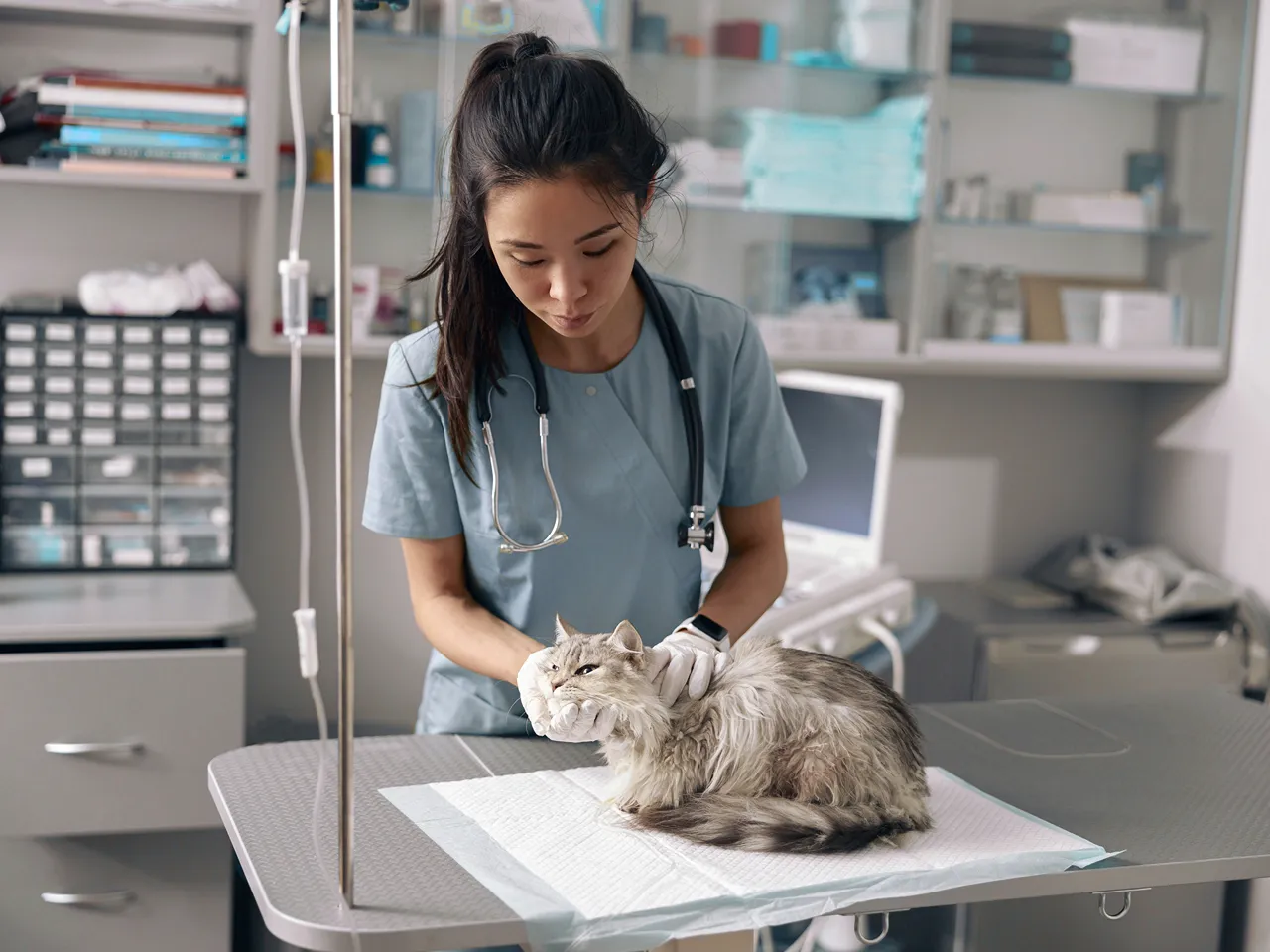
Because the effects of grape toxicity can progress quickly, it's important to know when immediate veterinary attention is needed. Even mild or early symptoms should be taken seriously after possible grape or raisin ingestion.
- Any confirmed grape ingestion: If your adult cats or kittens are known to have eaten grapes or raisins, seek veterinary care immediately, even if they appear normal.
- Vomiting that continues for over an hour: Vomiting that persists for more than an hour after possible grape exposure should always be evaluated by a veterinarian. Ongoing vomiting can increase the risk of dehydration and may indicate worsening toxicity.
- Signs of kidney failure: Symptoms such as increasing weakness, dehydration, reduced appetite, or other signs of kidney failure require emergency veterinary care.
- No urination for 12 hours or longer: If your cat has not urinated for 12 hours or longer after possible grape ingestion, seek emergency veterinary care immediately. A lack of urination can be a serious sign of kidney injury and should never be ignored.
- Rapid breathing or collapse: Rapid breathing, collapse, or loss of consciousness are medical emergencies that require immediate veterinary attention. These signs may indicate advanced illness caused by the danger of grapes and should never be delayed.
Final Thoughts
Grapes and raisins should never be given to cats. There is no known safe level, and the exact toxic substance is not known, so any suspected grape ingestion should be a veterinary emergency. Getting to the vet quickly can greatly improve your cat’s chances of recovery and can help prevent serious complications like acute kidney injury or kidney failure.
The best way to keep your feline friend safe is with prevention by keeping grapes and anything containing grapes out of reach. If you think your cat has eaten grapes, call your veterinarian right away rather than waiting for symptoms to develop.
Frequently Asked Questions
Can Cats Eat Raisins?
No. Raisins are just as toxic as grapes and should never be given to cats, even in very small amounts.
Dried grapes are still dangerous: Raisins are simply dried grapes, so they carry the same toxic risk despite their smaller size.
Even tiny amounts matter: There is no known safe quantity, and ingestion should always be treated as a potential emergency.
Hidden sources count: Baked goods, trail mixes, and other foods containing raisins may also expose your cat to harm.
No nutritional benefit: Cats can’t eat raisins safely, and they receive all the nutrition they need from a complete, balanced feline diet.
Prevent accidental exposure: Store raisins securely and clean up any dropped pieces promptly to reduce the risk of curious cats sampling them.
Why Are Grapes and Raisins Toxic to Cats?
We do not know the exact substance that is toxic, but grapes and raisins may cause severe kidney damage and should always be avoided.
The exact cause is still being investigated: Researchers are still trying to determine which compound causes toxicity, but have not yet confirmed a definitive answer.
Kidney injury can develop rapidly: Exposure may lead to acute kidney injury, even when only a small amount has been consumed.
Sensitivity varies: Because there's no way to predict which cats will become seriously ill, every exposure should be taken seriously.
Digestive systems are different: Scientists believe cats lack the ability to safely process certain substances that may be present in grapes.
Similar concerns exist across pets: Both cats and dogs can experience serious illness after ingesting grapes or raisins.
What to Do If Cat Has Eaten Grapes?
Get to a veterinarian immediately. The sooner your pet is treated, the better the prognosis for avoiding serious complications will be.
Remove any remaining grapes: Prevent additional exposure by taking away grapes, raisins, or foods that contain them.
Estimate what happened: Note approximately how much your cat ate and when the ingestion may have occurred before calling your veterinarian.
Don't induce vomiting yourself: Only attempt to induce vomiting if specifically instructed by a veterinary professional, as doing so incorrectly may cause harm.
Seek professional advice immediately: Prompt veterinary guidance is recommended even if your cat appears completely normal after exposure.
Watch closely while travelling: Monitor for vomiting, weakness, appetite loss, or changes in urination while heading to the clinic.
What are the signs of grape toxicity in cats?
Symptoms may appear within hours or develop gradually as kidney damage progresses, making close observation extremely important.
Vomiting: Repeated vomiting is often one of the earliest and most common signs after ingestion.
Lethargy and weakness: A normally active cat may become unusually tired, weak, or less interested in daily activities.
Loss of appetite: Refusing meals or treats can be an early indication that your cat is becoming ill.
Changes in urination: Producing very little urine or none at all may signal worsening kidney injury and requires emergency care.
Tremors or diarrhea: Digestive upset, shaking, or muscle weakness may develop as the condition becomes more severe.
Can cats have grapes if they only eat one?
No. Even a single grape should be treated as potentially dangerous because there is no established safe amount for cats.
No safe threshold exists: Grapes are one of the few common fruits that should always be considered potentially toxic to cats.
One grape may be enough: The severity of illness cannot be predicted based solely on the amount consumed.
Symptoms may be delayed: A cat can initially seem normal before signs of toxicity begin to appear.
Early treatment improves outcomes: Prompt veterinary evaluation offers the best opportunity to prevent severe kidney damage.
Prevention is the safest approach: Keeping grapes, raisins, and grape-containing products out of reach is the most effective way to avoid accidental poisoning.

