


TL;DR — Are Cats Nocturnal, Crepuscular, or Diurnal?
- Cats aren’t actually nocturnal — they’re crepuscular, which means they’re most active around dawn and dusk. If your cat zooms around the house at sunrise or right before bed, that’s completely normal.
- Many cats sleep up to 18 hours a day, taking short naps between bursts of activity. They rest when they feel safe and come alive when the light is low.
- Too much daytime sleep or boredom can lead to excessive nocturnal behaviour — things like meowing, scratching, or caterwauling when you’re trying to sleep.
- Their circadian rhythm naturally guides them to be awake during twilight hours, but feeding schedules and playtime can make a big difference.
- Try giving your cat a good play session and a meal before bed, and make sure their litter box is clean and easy to find.
- It might take some time and patience, but with consistency, your cat can learn to rest more at night — and you’ll both enjoy a calmer evening routine.
If your cat’s behaviour suddenly changes or they’re staying restless through the night, a quick check with your veterinarian can rule out health issues like hyperthyroidism and help your cat get back to their natural sleep rhythm.
Have you ever wondered if cats are nocturnal, crepuscular, or diurnal? If you’ve ever been woken up by your cat active at night, pawing at the bedroom door or bouncing off the walls, you know their sleep-wake cycles can be confusing. Cats have their own rhythm, and it doesn’t always match ours.
Many indoor cats—and even feral cats—sleep all day and take catnaps, yet somehow they find energy for nighttime activity when you’re trying to rest. Watching a cat purr, stretch, and suddenly sprint around the house can be both adorable and frustrating for cat owners. Every cat is different, and their cat’s natural patterns can leave you guessing about what’s normal.
A cat’s crepuscular habits, daytime catnaps, and circadian rhythm all play a role in when they’re active. Feeding schedules, interactive play, or certain health conditions may also affect their nighttime behaviour. Read on to understand the secrets of your cat’s sleep and activity.
Are Cats Nocturnal or Crepuscular
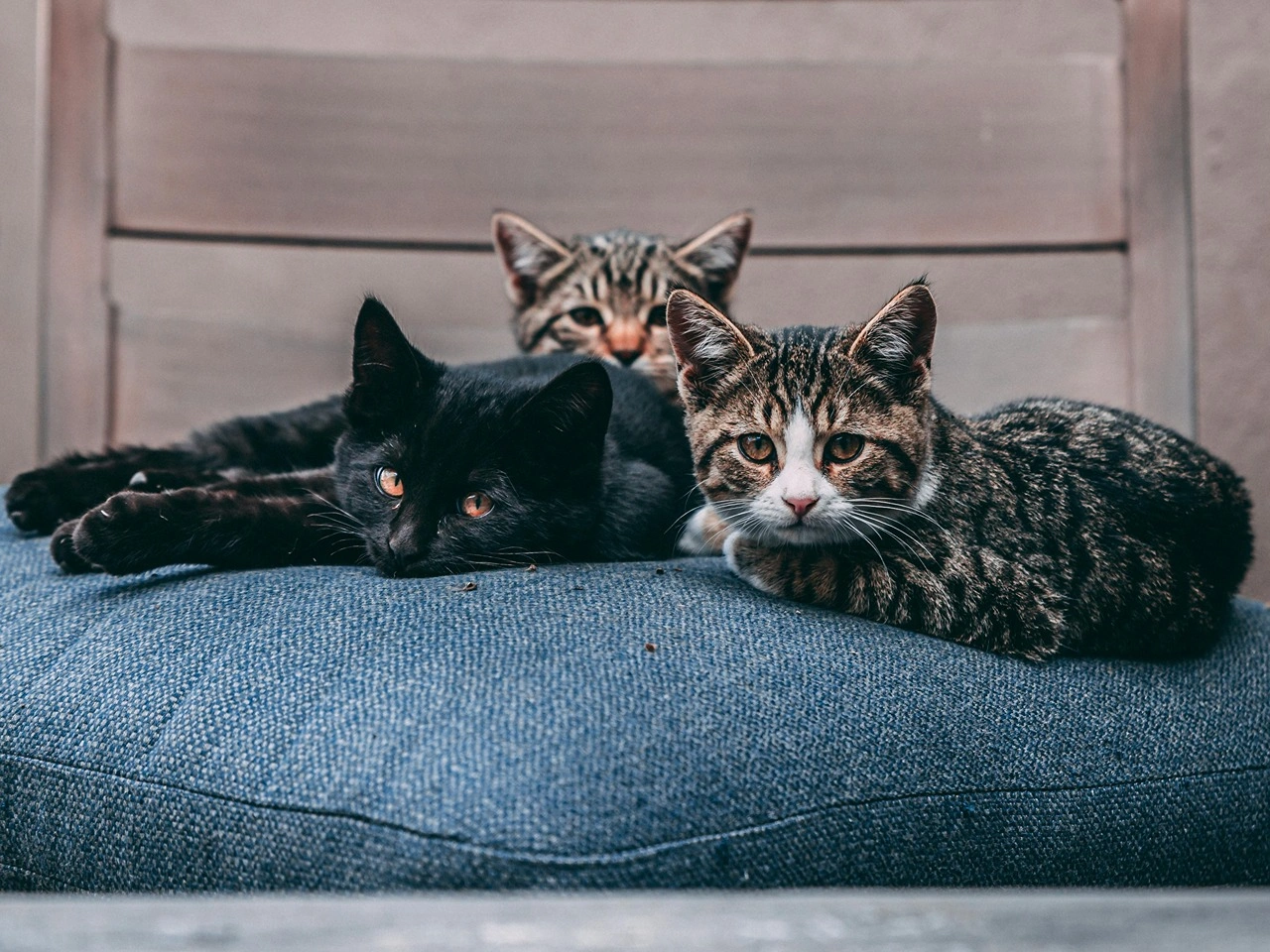
If your cat starts roaming the house at night, you might assume they’re nocturnal animals. But cats aren’t nocturnal; they’re crepuscular, which means they’re naturally more active at dusk and dawn. This comes from cats in the wild, whose behaviour was shaped by hunting in low-light conditions when it was safest to move.
- Cats are most active during twilight hours, not throughout the night.
- They may sleep up to 18 hours a day, fitting in catnaps between short bursts of activity.
- A bit of night activity is normal and part of their natural rhythm.
- Even feral cats tend to follow the same low-light schedule.
- If your cat seems busy while you’re trying to get a good night’s sleep, it’s just their instincts at work.
If Cats Are Not Nocturnal, Why Do They Seem to Sleep All Day?

If you’ve ever watched your cat snoozing through most of the day, you might wonder how they still have energy to play at night. The truth is, cats are crepuscular, meaning they’re naturally more active at dusk and dawn. Their long naps are just part of their natural sleep rhythm, not a sign of laziness or excessive nocturnal behaviour.
- Cats enjoy natural sleep throughout the day, waking up briefly to stretch, play, or when you feed your cat.
- They tend to be more active during the day when their daytime schedule includes interactive play or a steady amount of food.
- A cat may sleep more if they’re bored or restless, especially indoor cats with limited activity.
- Sometimes a change in your cat’s behaviour—like being unusually tired or restless—can signal health issues.
- If that happens, it’s best to talk to a veterinarian, who can check for hyperthyroidism or other conditions.
How a Cat’s Circadian Rhythm Affects Sleep at Night
Your cat’s circadian rhythm is like an internal clock that guides when they eat, rest, and play. It’s why cats are more active during the nighttime hours and often nap during the day. This rhythm is completely natural, but it can sometimes lead to your cat keeping you awake when all you want is a quiet night’s sleep.
Understanding Your Cat’s Rhythm
- Cats are animals that are active during twilight, so they naturally wake up around dusk and dawn.
- Their nocturnal activity comes from their wild ancestors, who hunted in low light.
- Setting a routine with a feeder or regular playtime can help give your cat structure and reduce late-night energy bursts.
Why Cats Stay Awake at Night
- When cats nap too much during the day, they often have excessive nocturnal energy to burn later.
- Your cat at night might meow, scratch, or even start caterwauling if their litter box isn’t clean or they’re simply bored.
- Too little stimulation during the day often leads to restless nighttime hours.
Tips to Help Adjust Their Sleep
- Try scheduling interactive play and feeding before bed to match their natural cycle.
- Keep the litter box clean and easy to find, especially for indoor cats.
- With a little time and patience, your cat can adapt — and both of you can finally enjoy a peaceful night’s sleep.
What to Do If Your Cat is Keeping You Up at Night
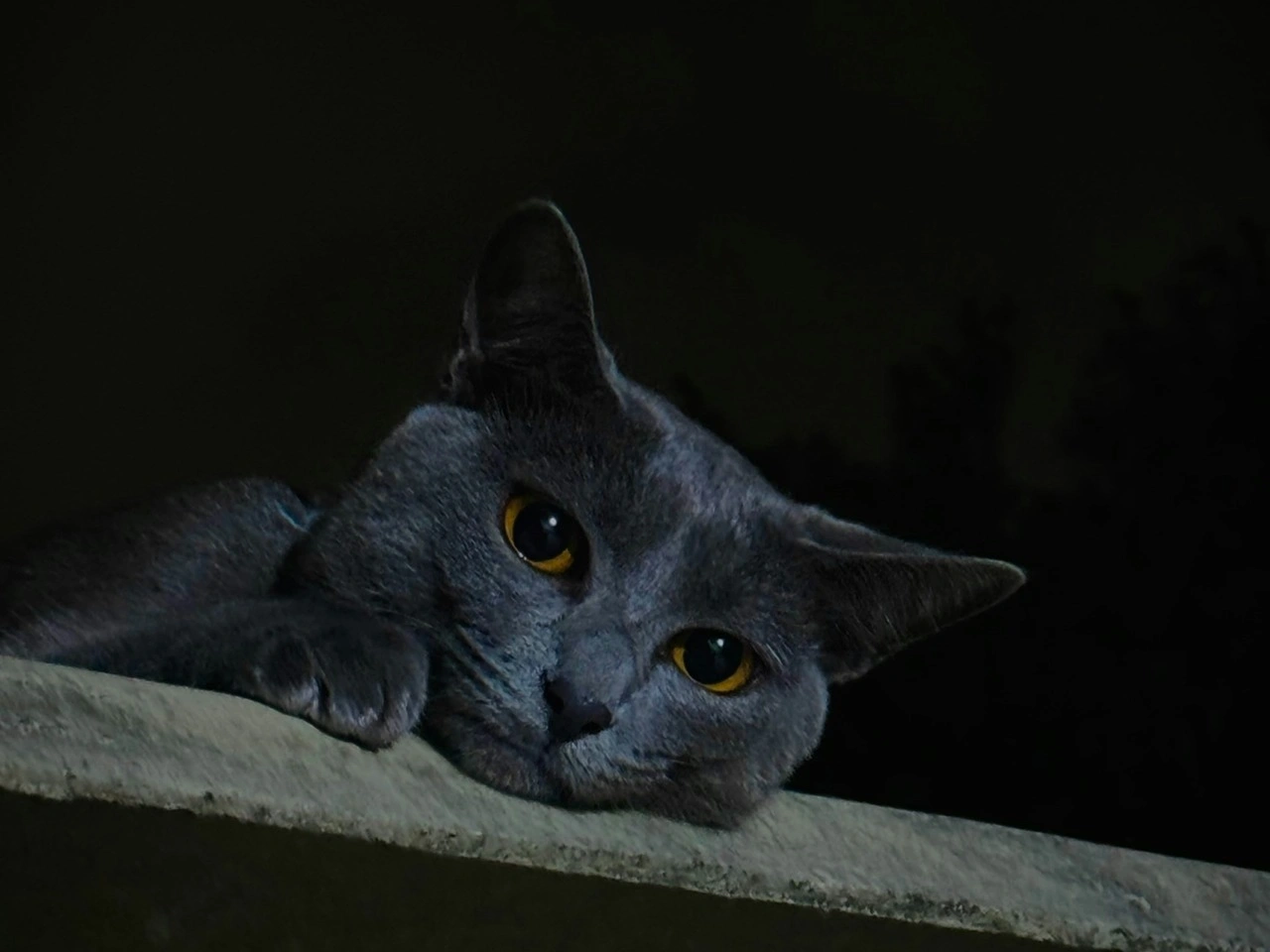
If your cat keeps you up at night, you know how tiring it can be. The scratching at the door, the loud meows, and sudden bursts of energy can turn bedtime into a challenge. Still, a few simple changes can help your cat calm down and let everyone in the house enjoy a peaceful night’s sleep.
Understand Why Your Cat Stays Awake
- Cats are more active during low-light hours, like dusk and dawn, which can clash with your sleep schedule.
- Sometimes it’s just boredom or hunger that makes them wander, paw, or start caterwauling while you’re trying to rest.
- If your cat’s behaviour suddenly changes, talk to a veterinarian to check for issues like hyperthyroidism or discomfort.
What to Do to Calm Nighttime Activity
- Try feeding your cat before bed or use a timed feeder to stop those early-morning wake-up calls.
- Schedule extra playtime during the day so your cat can use up energy before bedtime.
- Keep the litter box clean and easy to reach—cats can get noisy if something’s bothering them.
Tips to Help You Sleep Better
- Close your bedroom door if your cat won’t settle down, at least until their routine improves.
- Stick with a regular schedule—cats love consistency, and it helps them understand when it’s time to rest.
- With a little time and patience, your cat will start to adjust, and you’ll both enjoy quiet, restful nights again.
How to Get Your Cat to Sleep at Night and Adjust Daytime Activity

If your cat seems to wake up the moment you’re ready for bed, you’re not alone. Many cats sleep most of the day and then become playful or restless at night, leaving their owners wide awake. With a few small changes to your routine, you can help your cat stay active during the day and sleep more soundly through the night.
Help Your Cat Stay Busy During the Day
- Spend more time playing with your cat during the day to burn off energy that might otherwise turn into nighttime activity.
- Use a feeder or give your cat small meals throughout the day to keep them alert and active.
- For indoor cats, try adding new toys, scratching posts, or climbing spaces to keep them mentally and physically engaged.
Create a Calming Evening Routine
- Play with your cat before bedtime and feed them right after—this mimics their natural hunt-and-eat rhythm.
- Keep the lights low and the environment quiet in the evening to encourage natural sleep.
- Make sure the litter box is clean and easy to reach so your cat doesn’t wake you up looking for a better spot.
Be Patient with the Process
- It takes time and patience to shift your cat’s sleeping patterns, so don’t get discouraged.
- Try not to react when your cat meows or paws at you during the night, or they’ll think it’s playtime.
- With consistency and gentle guidance, your cat will start to rest more at night—giving both of you the peaceful sleep you deserve.
Why You Shouldn't Let Your Cat Sleep All Day

Cats are famous for their naps, but letting them sleep too much during the day can backfire once nighttime comes around. If your cat suddenly decides it’s playtime when you’re trying to sleep, their routine might need a little adjusting. Here’s why it’s better not to let your cat sleep all day:
- It messes with their natural rhythm, making them more restless and active at night.
- Too much daytime sleep often leads to boredom, scratching, or loud caterwauling.
- Cats need movement and play to stay healthy, alert, and happy.
- If your cat starts sleeping a lot more than usual, a quick check with the veterinarian can rule out any health concerns.
- Indoor cats especially need stimulation during the day to avoid excessive nocturnal behaviour.
- Oversleeping can throw off their feeding and play schedule, making it harder to keep a steady routine.
- When your cat sleeps all day, they miss out on bonding and quiet moments with you.
Final Thoughts
Understanding whether cats are nocturnal, crepuscular, or diurnal can really help you make sense of their odd sleeping habits. Cats aren’t truly nocturnal—they’re crepuscular, which means they’re most active during dawn and dusk.
It comes from their wild ancestors, who hunted when it was quiet and safer to move around. So if your cat’s nighttime zoomies are keeping you awake, it’s not bad behaviour—it’s just their natural rhythm.
With a little routine, playtime, and patience, you can help your cat adjust and enjoy calmer nights. Once you get in tune with your cat’s behaviour, you’ll not only sleep better but also feel closer to your furry companion.
Frequently Asked Questions
Why are cats crepuscular and most active at dawn and dusk?
If you’ve ever noticed your cat suddenly come to life just as the sun rises or sets, you’re not imagining it. Cats are crepuscular, which means they’re naturally wired to be most active during dusk and dawn.
Natural instincts: Cats in the wild hunt in low-light hours when it’s easier to stay hidden and catch prey that’s also active.
Low-light advantage: Their eyes are built for dim light, giving them great vision when the world is just waking up or settling down.
Short bursts of energy: Those quick sprints or playful moments come between long cat naps.
Even indoor cats: Whether wild or not, most cats still follow this same natural rhythm of activity.
How can a veterinarian help if my indoor cats have irregular sleeping patterns?
If your cat’s sleeping habits suddenly change, a veterinarian can help figure out what’s going on. Sometimes it’s just part of their behaviour, but other times it can signal something more.
Medical check: A veterinarian can rule out issues like hyperthyroidism or pain that may cause excessive nighttime activity.
Behavioural insight: Your vet can spot if the change in your cat’s behaviour comes from boredom, stress, or aging.
Routine adjustments: They can guide you on feeding, light exposure, and playtime to help reset your cat’s sleep cycle.
Peace of mind: A quick visit ensures you’re not missing something that could affect your cat’s comfort or health.
What are the best ways to keep your cat on a consistent sleep schedule?
Cats thrive on consistency, so keeping them on a regular routine helps everyone get a better night’s sleep. A few small changes can make a big difference in your cat’s rhythm.
Regular feeding: Try to feed your cat at the same times each day to balance their energy.
Evening playtime: Play with your cat before bed to burn off energy and calm them down.
Use a feeder: Automatic feeders can stop those early-morning wake-up meows for food.
Quiet space: Keep nights calm and cozy so your cat knows it’s time to rest.
Patience matters: It takes time and consistency to help your cat settle into a new pattern.
How do cat naps affect an indoor cat’s nighttime activity?
Cats love their naps — but too many during the day can make them restless at night. Cats sleep up to 18 hours a day, and how they nap can shape their nighttime energy.
Energy storage: Cat naps help them recharge for short bursts of play later.
Indoor habits: Indoor cats often nap from boredom, not true tiredness.
Nighttime restlessness: Too much daytime sleep can lead to late-night zoomies and caterwauling.
Balanced routine: Keeping your cat active during the day helps them rest better when it’s dark.
Can changes in sleeping patterns indicate health issues in cats?
A sudden shift in your cat’s sleeping pattern can sometimes mean something’s not right. Paying attention early can help you catch potential problems before they get worse.
Too much sleep: Might signal illness, pain, or simply boredom.
Restlessness or caterwauling: Could be caused by hyperthyroidism or discomfort.
Behavioural shifts: Changes in how your cat sleeps, eats, or acts can be a sign to look closer.
Vet visit: A veterinarian dr can check for underlying medical or environmental causes.

